Last Updated on 16/05/2026
Varanasi does not ease you in. It hits you all at once — the incense, the bells, the burning pyres, the chai, the silk shops, the pilgrims, and the Ganga flowing through it all. This is the oldest continuously inhabited city in the world, and one of the holiest in Hinduism, Buddhism, and Jainism.
What most people don’t realise: Varanasi has changed significantly since 2021. The Kashi Vishwanath Corridor — a major redevelopment project connecting the Vishwanath Temple directly to the Ganga through a heritage promenade — transformed access to the holiest shrine in the city. This guide covers all 25 must-visit places, the Ganga Aarti guide, the new corridor, how to reach, and a practical 2-day itinerary.
Varanasi at a Glance — Quick Facts 2026
| Detail |
Information |
| Other Names |
Kashi, Banaras, Benares, City of Light, Mahashamshana |
| Location |
Uttar Pradesh, on the left bank of the Ganga River |
| Famous For |
84 ghats, 23,000+ temples, Ganga Aarti, Kashi Vishwanath Jyotirlinga, Sarnath (8 km) |
| Best Time to Visit |
October to March (winter, pleasant) |
| Nearest Airport |
Lal Bahadur Shastri International Airport (26 km from city) |
| Nearest Railway Station |
Varanasi Junction / Banaras Railway Station |
| How to Reach from Delhi |
Train: Kashi Express (11 hrs) | Road: 800 km (13 hrs) | Flight: 1.5 hrs |
| Ganga Aarti |
Dashashwamedh Ghat — every evening at sunset (approx. 6:30–7 PM) |
| UNESCO recognition |
Varanasi is on India’s Tentative UNESCO World Heritage List |
About Varanasi — The Spiritual Capital of India
The colorful and holy Hindu city of Varanasi is popular all over the world for its enigmatic representation of ancient traditions, cultures and beliefs which has till date been preserved safely. From age old temples and innumerable Ghats and unique cafes this holiest city of India is also one of the oldest living cities in the world. Frequented by not only devout Hindus, the spiritual vibe here has also attracted hordes of foreigners from different parts of the world looking to have a self-immersive experience amongst the holy river of Ganga and they have also managed to coexist peacefully with the already existing traditions here. It is guaranteed that you will leave here with a different outlook on life. This holy destination is not only limited to visit by devotees but it is also a unique experience for the younger generation as well.
Kashi Vishwanath Corridor — What Changed in 2022
The Kashi Vishwanath Corridor (inaugurated December 2021) fundamentally changed how visitors experience the holiest temple in Varanasi. Before the corridor, the Kashi Vishwanath Temple was buried in a dense network of lanes and required navigating narrow alleys. The corridor now connects the temple directly to the Ganga riverfront through a wide heritage promenade — spanning 5 lakh square feet with 23 buildings, 27 temples, and a clear sightline from the Ganga to the temple complex.
What this means practically: you can now walk from Dashashwamedh Ghat directly to the Kashi Vishwanath Temple in a 5–8 minute heritage walk, rather than navigating the old maze of lanes. The corridor has also surfaced several old temples that were previously hidden behind buildings. Darshan queues are managed digitally — online slot booking is available at the official Kashi Vishwanath Temple Trust website for priority access.
Ganga Aarti at Dashashwamedh Ghat — Complete Guide
The evening Ganga Aarti at Dashashwamedh Ghat is Varanasi’s most famous daily ritual — one of the most visually dramatic ceremonies in India. Seven priests simultaneously perform the aarti with large brass lamps, flowers, incense, and conch shells in perfectly synchronized movements, to the sound of chants and bells.
| Ganga Aarti Details |
Information |
| Location |
Dashashwamedh Ghat (main ghat, 500m from Kashi Vishwanath Temple) |
| Timing |
Every evening at sunset — approx. 6:30–7:00 PM in winter, 7:00–7:30 PM in summer |
| Duration |
45–60 minutes |
| Best viewing spot |
From a boat on the river — book a boat 30–60 minutes before aarti |
| Entry |
Free — no tickets required for standing on the ghat |
| Advance seats |
Front seated rows sometimes managed by Ganga Seva Nidhi — arrive 45 mins early |
| Morning aarti |
Also held daily at 5:30 AM — smaller, quieter, equally moving |
| Also at |
Assi Ghat (smaller, more intimate evening aarti — recommended for peaceful experience) |
One practical tip: the best view of the Ganga Aarti is from a boat on the river, not from the ghat itself. From the ghat, you see the ceremony from behind and beside the priests. From a boat 20–30 metres out, you see it face-on with the lit lamps reflected in the water — the defining Varanasi photograph. Book your aarti boat from the registered boatmen at Dashashwamedh Ghat 1 hour before the aarti.
25 Best Places to Visit in Varanasi
1. Assi Ghat
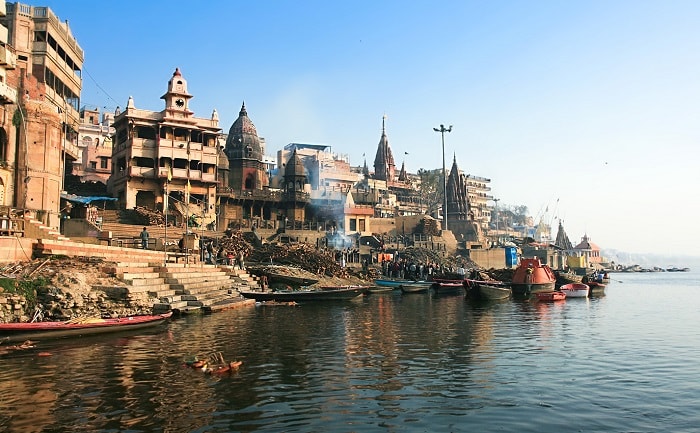
First time in Kashi and don’t know what to do or where to go? Go to Assi Ghat. This is the southernmost Ghat in the long line of Ghats which form the outer border of Varanasi and it also consists of a shivling located under a Peepal Tree. During the evening Aarti time this riverside gets engulfed in a deep sense of mysticism which is followed by the rhythmic swinging of the Aarti as a way of paying an ode to Ganga Mata. You have the option of witnessing this beauty from the stairs of the ghats or from the boat in front of the Ghat. No matter where you see it from the chanting of the hymns and the synchronized ringing of the bells is mesmerizing.
2. Kashi Vishwanath Temple
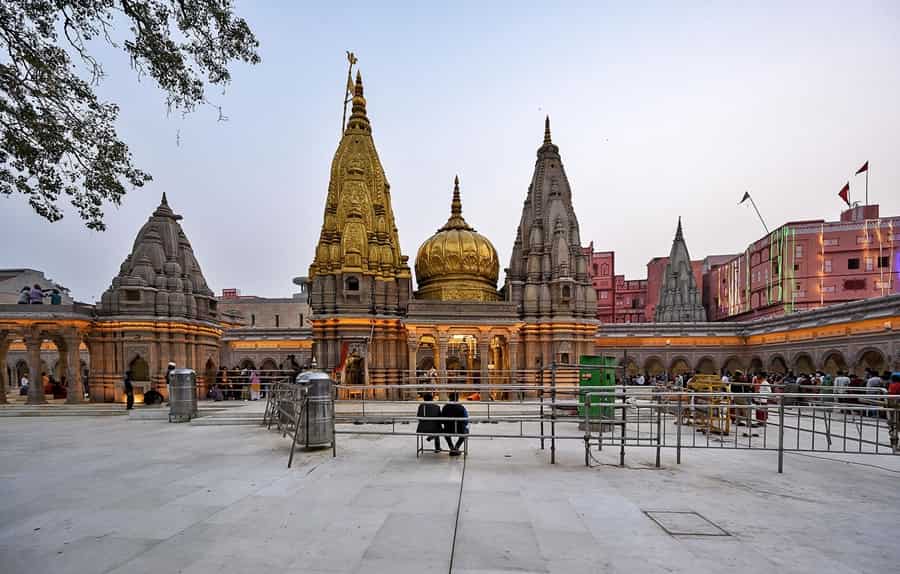
Your Kashi Yatra remains incomplete without a visit to this temple which is the holiest and the only Jyotirlinga present in the state of Uttar Pradesh. The gold-topped temple is situated on the banks of the holy Ganga and is dedicated to Vishwanath or the ruler of the universe. The importance of the temple lies in the fact that it has been mentioned in various religious Hindu scriptures concerning Shaiva philosophy. Apart from its obvious spiritualism and religious relevance, the temple is very artfully created and consists of fine carvings which are a masterpiece and cannot be replicated today.
2026 update: The Kashi Vishwanath Corridor (inaugurated 2021) has transformed access to this temple — a direct heritage promenade now connects the temple to the Ganga. Online darshan slot booking available at the Kashi Vishwanath Temple Trust official website.
3. Nepali Mandir
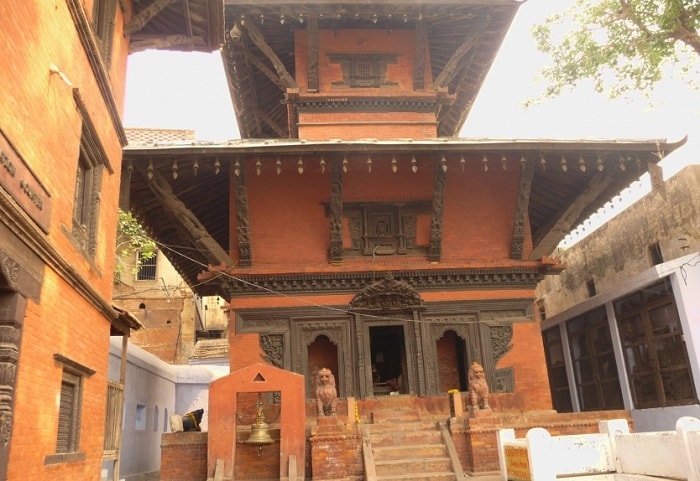
This wooden temple is popular for being one of the oldest and the most famous temples in the holy city of Varanasi. The unique architecture of the temple should be credited to the King of Nepal who had it built in the 19th century, making it look like a replica of the Pashupatinath temple of Kathmandu. Dedicated to Shivji, this wonderful temple structure is not visited by a lot of visitors and hence it is one of the most peaceful places to visit if you are looking for some peace of mind.
4. Bharat Mata Mandir
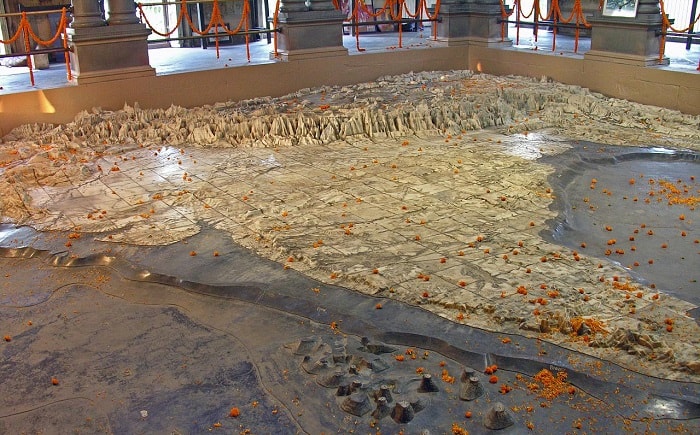
This has to be on your travel to Varanasi list since there is no other temple in the world like this one. Literally translated as ‘Mother India Temple’, the prime centre of attraction here is the huge map of undivided India carved out on the marble temple floor. The details on this map are exact and to the point and were built by the freedom fighter Babu Shiv Gupta in 1936 and were later inaugurated by Mahatma Gandhi. Along with the map there is also an image of Bharat Mata here which will not fail in evoking a deep sense of patriotism.
5. Bharat Kala Bhavan Museum
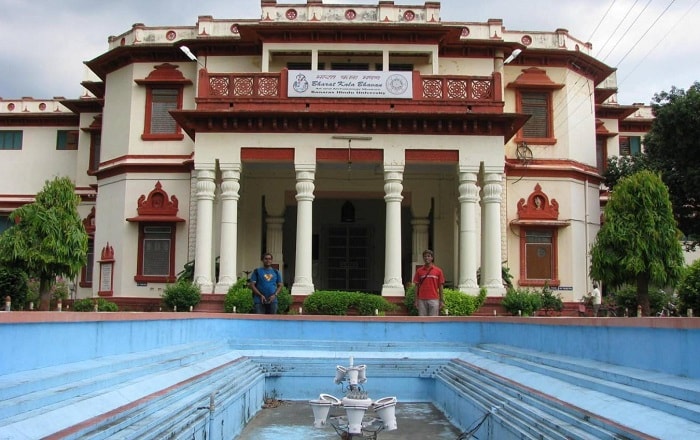
Situated within the magnificent campus of BHU (Banaras Hindu University), this museum showcases a plethora of Indian art and culture. The creation of this museum was nudged along since they wanted to preserve their age-old culture and beliefs. The collection here includes various archaeological items, paintings, literary materials, decorative art, costumes, textiles and so much more. The place is set amidst thriving nature and exploring it will take you back in time, which will be an exhilarating experience in itself.
6. Man Mandir Observatory
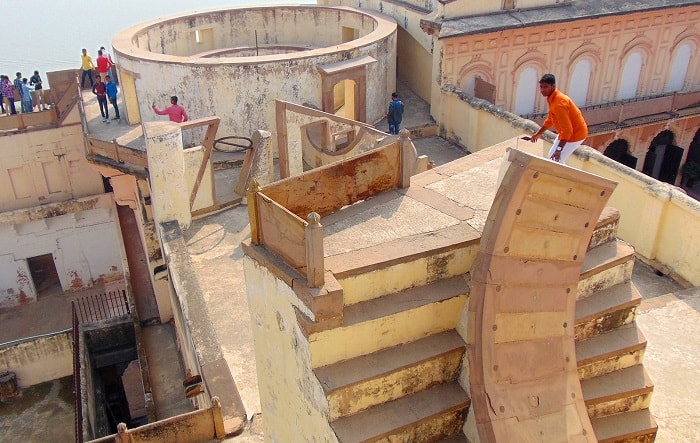
Located on top of the extremely popular Man Mandir Ghat, this observatory or Jantar Mantar is famous for offering some of the most stunning and picturesque views of the surrounding city. This place was established by the king of Jaipur, Jai Singh, in 1737. It was built with an aim of measuring and observing the time and the eclipses in reference to the position of the sun in coordination with the other celestial bodies. The place has striking similarity to the observatories located in Delhi, Ujjain, Jaipur and Mathura.
7. Chunar Fort
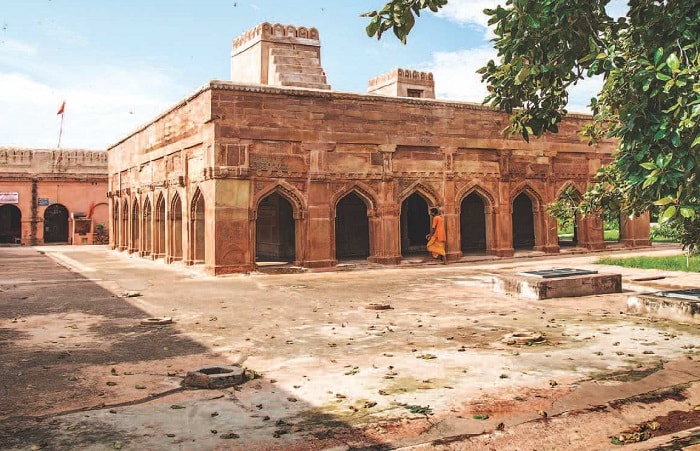
This is one of the most unique forts in India which is perched on a rock detached from the Vindhya ranges at an elevation of 85 metres above sea level. The fort is built on a high commanding point close to Kaimur Hills and while making your way you will go through a chain of low hills that run parallel to the holy river Ganga. The citadel area of the fort can still be seen comprising of cannons and the architecture here clearly resembles the style and design of Agra fort.
8. Tulsi Manas Mandir
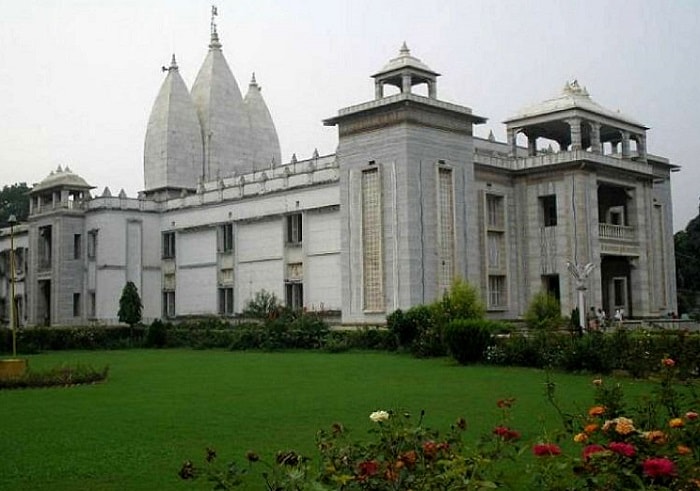
This historical and legendary temple is one of the most popular temples in this holy city. The Hindu saint, philosopher and poet Goswami Tulsidas had written Ramcharitmanas at this place during the 16th century. The temple walls are adorned with colorful drawings and paintings of scenes from this epic Hindu book. Situated in close proximity to Durga temple at Durgakund, this temple is dedicated to Ram and was constructed by the family of Banaras in 1964.
9. Nandeshwar Ghat
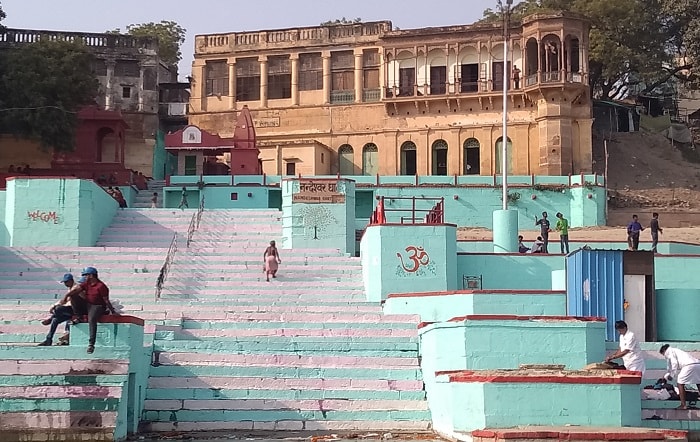
It is not a hidden fact that if you really want to experience the vibe of Varanasi then you should go and visit its Ghats. Nandeshwar is one such Ghat which gives off an old world charm that has attracted the Bollywood industry. Movies like Raanjhanaa, Masaan and Mukti Bhawan along with 50 other TV ads and movies have been shot here. Situated close to the Ghat is a Haveli which looks straight out of the age of kings. Located in close proximity to Raj Ghat, this place is worth spending some time at since it is far away from the chaotic city life.
10. Godowlia Market
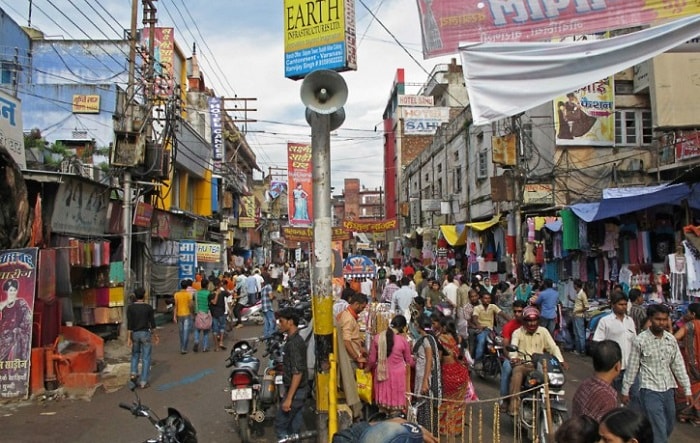
No matter where you are visiting Varanasi from, a visit to this most loved market in the city is a must. The market offers retail and wholesale goods inside archaic and old buildings and is every shopper’s delight. Situated in Maheshpur, the market is just a 10-minute rickshaw ride away from the Cantt railway station. You can also add this to your must-see places in Varanasi since it is situated very close to the entrance of the famous Kashi Vishwanath Temple. You will be able to shop for woodwork, shawls, saris with Zari Work, shoes and much more.
11. Pink Temple (Sarnath)
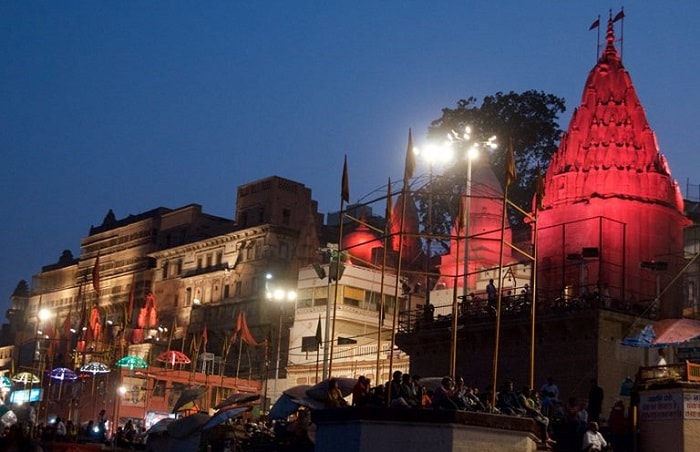
Sarnath is situated at a distance of just half an hour from the main city of Varanasi and is frequented primarily by Buddhist tourists. This temple in Sarnath has already become one of the prime tourist destinations here. People come here to gaze at the massive Buddha idol sitting in a peaceful position, described as the most beautiful Buddha statue in India due to its pinkish hue. The story of its construction involves a monk who had seen a dream and sold his whole property to start the construction of this temple.
12. Tomb of Lal Khan
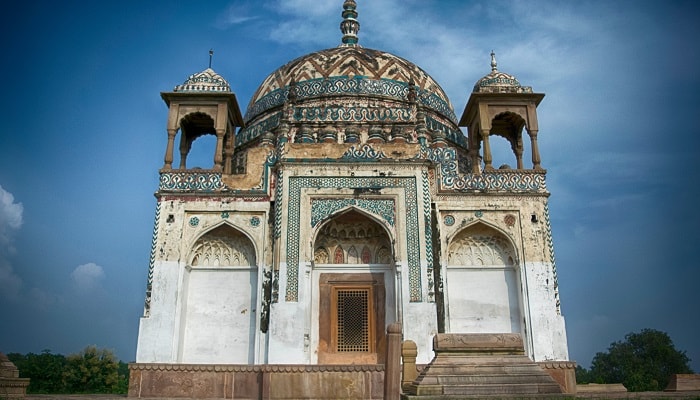
This scenic and beautiful tomb is situated close to Malviya Bridge in Raj Ghat inside the dismantled fort of Raj Ghat. The mausoleum is dedicated to a Mughal noble and the complex also contains some freshly excavated remains of ancient settlements that date back to the 3rd century AD. The lush green lawns here are extremely well maintained and create a sight to behold when combined with the backdrop of the ruins.
13. Alamgir Mosque
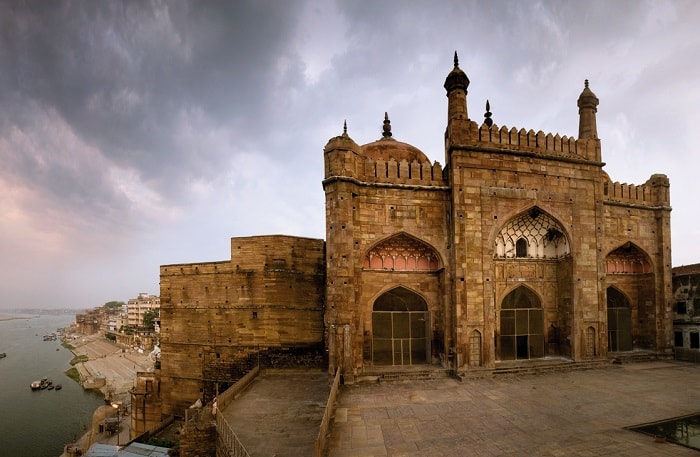
As the name suggests, this mosque was built by the ruler Aurangzeb during his rule in the 17th century. Also referred to as Beni Madhav Ka Darera, this holy place of worship is situated right above the Panchganga Ghat with broad steps leading down to the flowing river Ganga. The mosque was initially a Hindu temple dedicated to Lord Vishnu, which was demolished by Aurangzeb who built a mosque over it during his capture of Benares. The history of this mosque is clear through its Indo-Islamic architectural style.
14. Ramnagar Fort and Museum
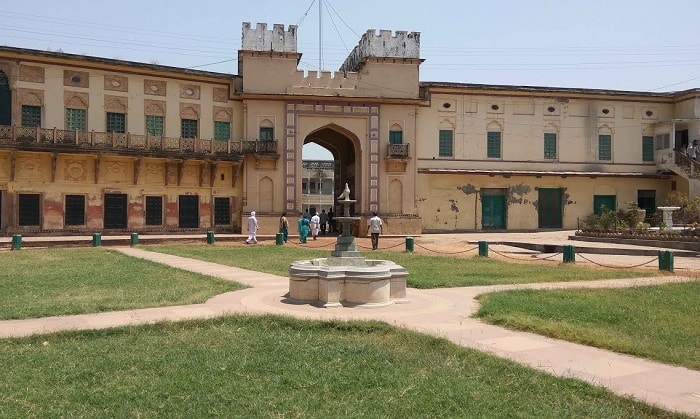
Located on the eastern bank of the Ganga and right opposite Tulsi Ghat is a magnificent sandstone Mughal fort structure said to have been built in 1750. Currently the fort is somewhat unkempt but it should definitely be visited since it was once the residence of Kashi Naresh Raja Balwant Singh. The fort offers astounding views of the river and the Ghats, and even inside the fort area, one can imagine what a great piece of architecture it once was.
15. Durga Temple
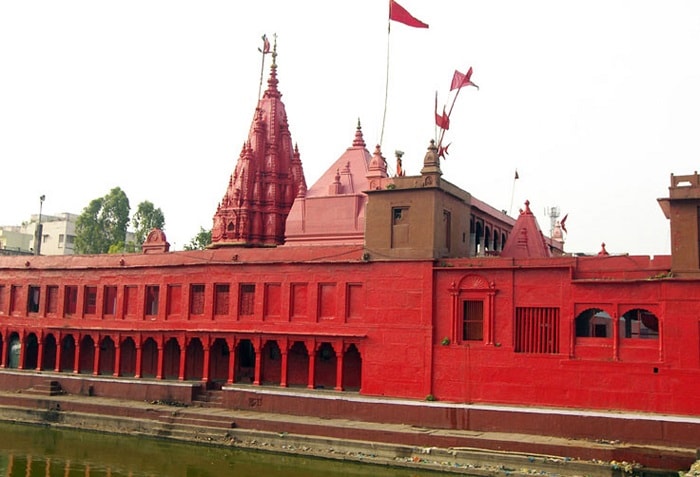
This temple is famed for being one of the most popular temples of Varanasi and its completely red structure can be spotted from far away. The temple is dedicated to Durga Maa and was built in the 18th century by a Bengali queen. Due to the presence of a large number of monkeys here it is also referred to as the Monkey Temple. Built in pure North Indian style of architecture, a Durga Kund is also present in front of the temple which elevates the beauty of this place.
16. Manikarnika Ghat
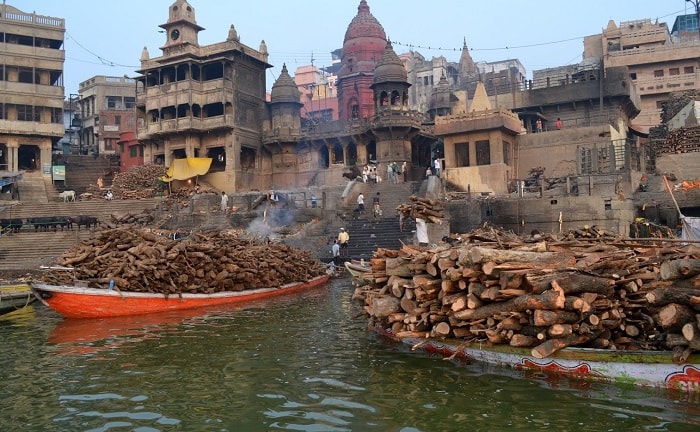
The colorful vibrancy of Varanasi is toned down at this Ghat. People bring their deceased family members here to get them cremated and provide them with one of the most auspicious send-offs by the banks of the river Ganga. Due to the huge turnout of people, the Ghat site always remains covered in ashes and smoke. Although the environment here is a bit grim, a visit here will make you reflect on the meaning and value of life.
Photography strictly prohibited at Manikarnika Ghat — this is a place of cremation and active mourning. Please respect the privacy and dignity of grieving families.
17. Gyanvapi Mosque
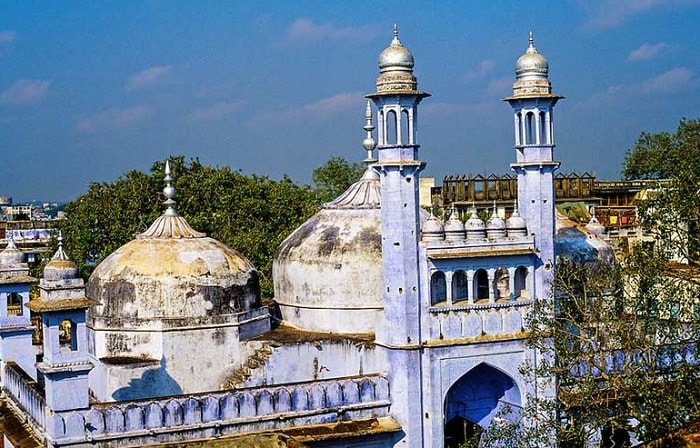
Constructed by the Mughal emperor Aurangzeb in 1669 CE and located on the northern end of Dashashwamedh Ghat, Gyanvapi is a Jama Masjid. This mosque was also built on top of a temple — a fact clear from the remnants of Hindu temple architecture still visible on the structure. The Gyanvapi well has gathered attention for its beautifully detailed carvings and fine designs. A visit here offers a window into the complex layered history of Banaras.
18. Sankat Mochan Hanuman Mandir
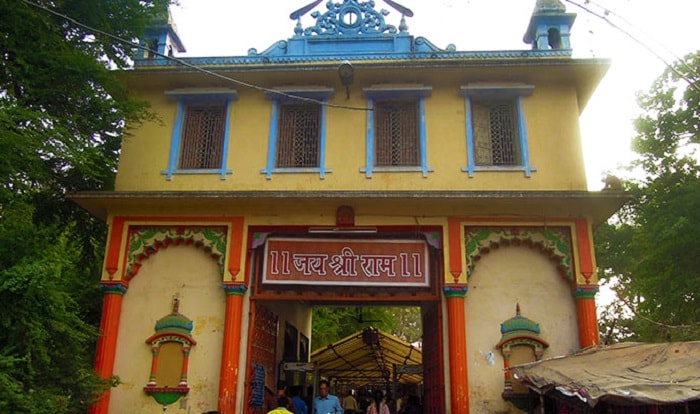
This temple is dedicated to Lord Hanuman and was established by the famous Hindu poet Saint Goswami Tulsidas during the early 1500s after he received a vision of Hanumanji here. Situated on the banks of the Assi river, worshipping the presiding deity here is believed to relieve devotees from all sorts of troubles. A visit to this temple is believed to be the easiest way to appease the ill-effects of Shani dosh.
19. Tibetan Temple
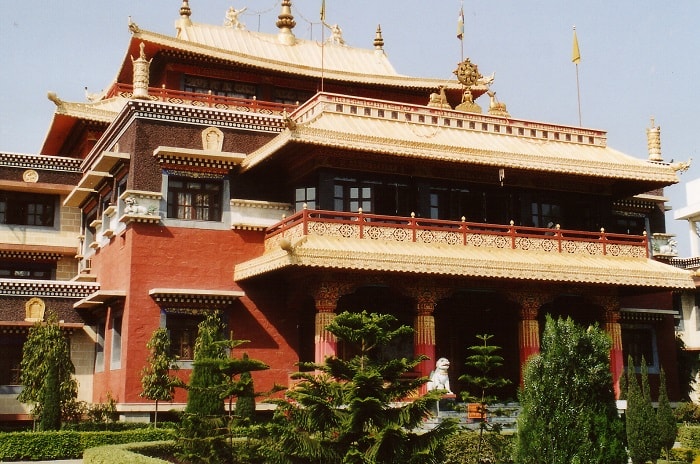
The Buddhist and Tibetan presence in Varanasi is something that cannot be ignored and should in fact be explored more. The surrounding environment of this temple offers immense peace and solitude. You will be able to gaze at the Tibetan Buddhist paintings and frescoes displayed on its walls and ceiling. Apart from the main golden statue of Lord Buddha there are other small statues in different positions.
20. Rajdari and Devdari Waterfalls (near Varanasi)
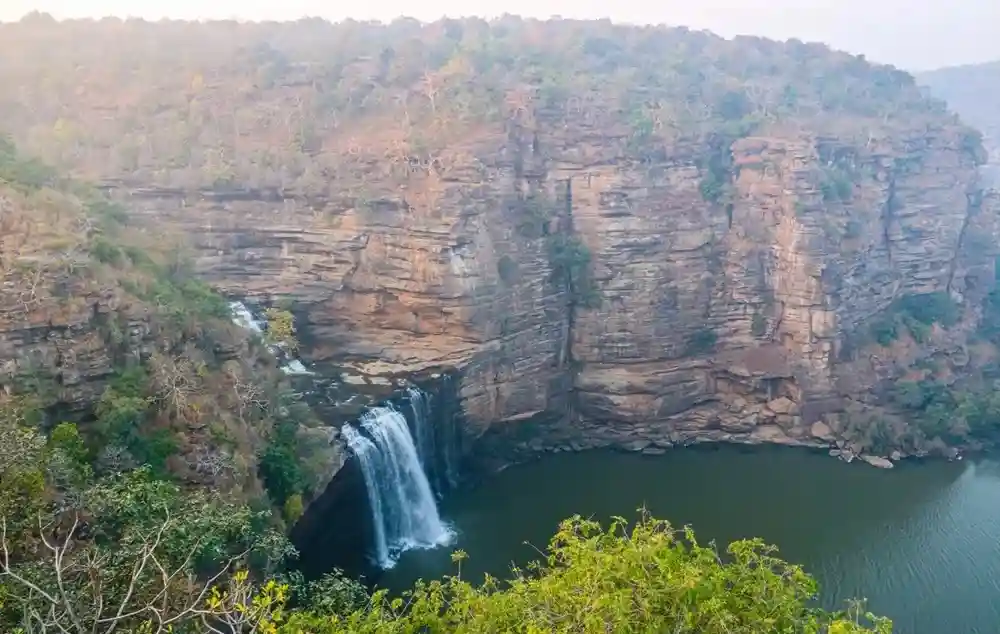
Located in the Chandauli district, approximately 70 km from Varanasi, the Rajdari and Devdari Waterfalls are twin waterfalls inside the Chandra Prabha Wildlife Sanctuary. A popular day trip from Varanasi, especially during and after monsoon (July to October) when the waterfalls are at full flow. The sanctuary also has leopards, wolves, and various bird species. Pack a lunch, arrive early, and carry comfortable trekking footwear.
21. Dashashwamedh Ghat
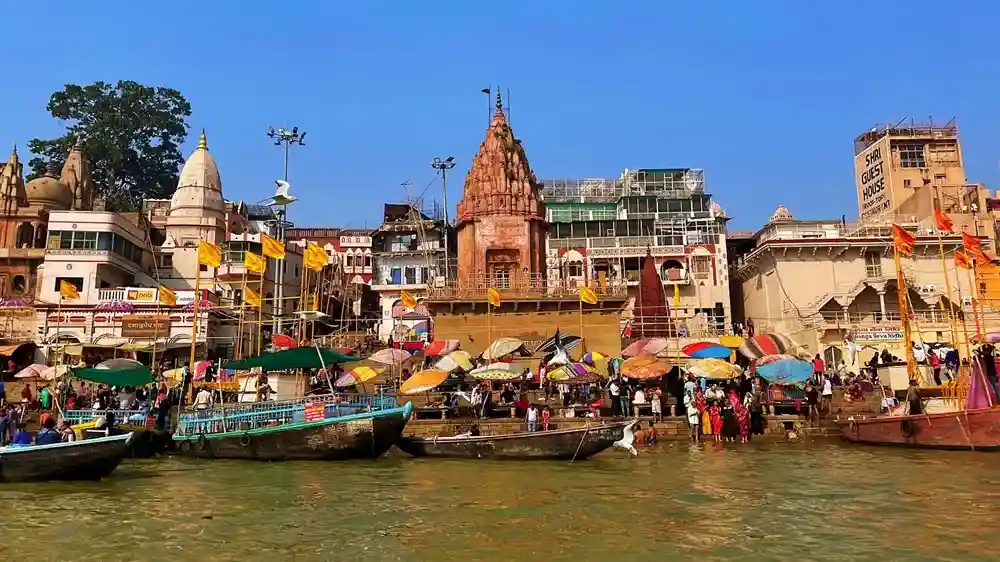
The most famous and most crowded ghat in Varanasi — Dashashwamedh Ghat is where the famous Ganga Aarti takes place every evening. According to Hindu mythology, Lord Brahma performed a ten-horse sacrifice (Dash Ashwamedh Yagna) here to welcome Lord Shiva. The ghat is lined with priests, flower sellers, boat operators, and pilgrims at all hours. The morning boat ride from Dashashwamedh to Assi Ghat at sunrise is one of the finest experiences in Varanasi.
22. Sarnath — Where the Buddha Gave His First Sermon
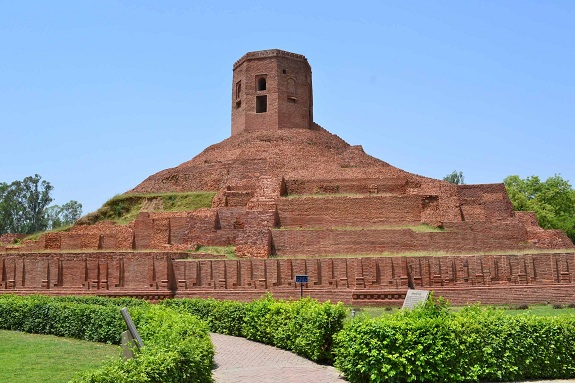
Located 8 km from Varanasi, Sarnath is one of the four most sacred Buddhist pilgrimage sites in the world. After attaining enlightenment at Bodh Gaya, the Buddha came to Sarnath’s Deer Park (Mrigadava) and delivered his first sermon — known as Dhammacakkappavattana Sutta (Setting in Motion of the Wheel of Dharma). The Dhamek Stupa (5th century CE) marks the exact spot. The Sarnath Archaeological Museum houses the famous Lion Capital of Ashoka — the national emblem of India.
23. Banaras Hindu University (BHU) Campus
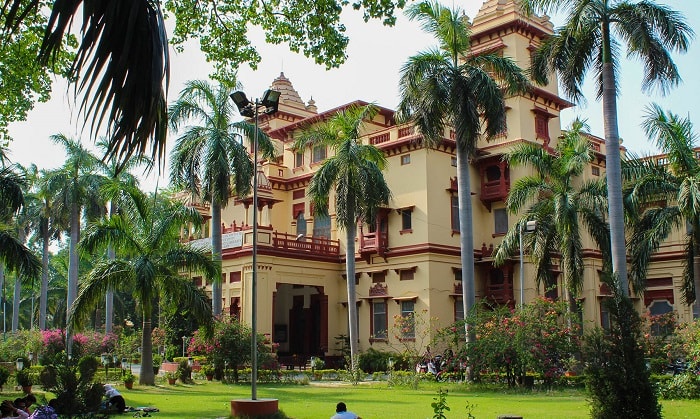
BHU is not just a university — it is one of the most beautiful campuses in Asia. Founded by Madan Mohan Malviya in 1916, the campus covers 1,350 acres and houses the Vishwanath Temple (a replica of the original Kashi Vishwanath, accessible to all including non-Hindus), the Bharat Kala Bhavan Museum, and beautiful neo-Gothic buildings. An evening walk through the campus during sunset is surprisingly peaceful for one of India’s largest universities.
24. New Vishwanath Temple (Birla Temple, BHU)
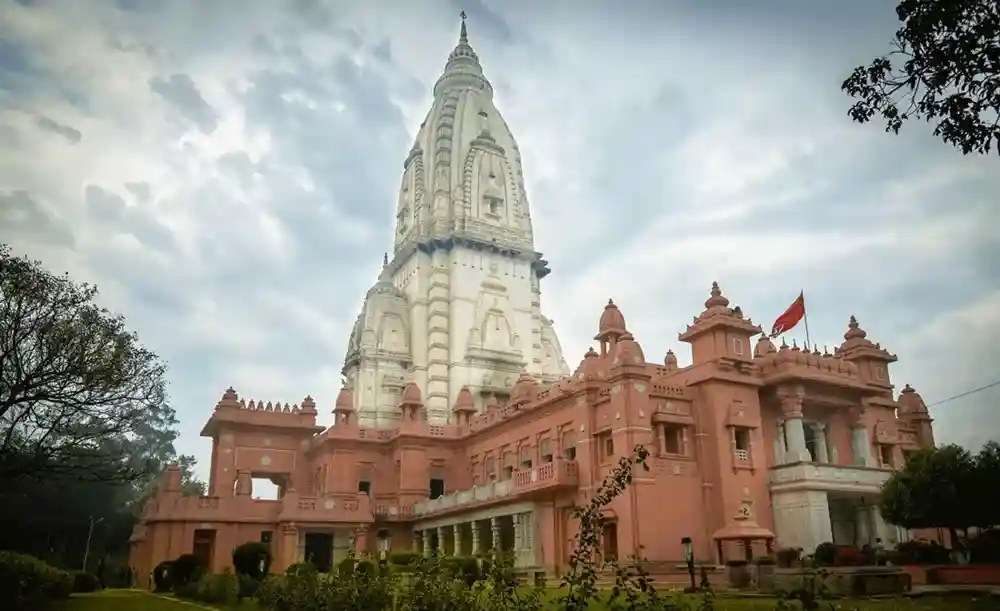
Located inside the BHU campus, the New Vishwanath Temple (Birla Mandir) was funded by the Birla family and inaugurated by Pandit Madan Mohan Malviya. Unlike the original Kashi Vishwanath Temple (where non-Hindus are not permitted), this temple is open to all visitors regardless of religion. The white marble temple with its 75-metre spire is one of the finest examples of modern Hindu temple architecture in North India.
25. Panchganga Ghat
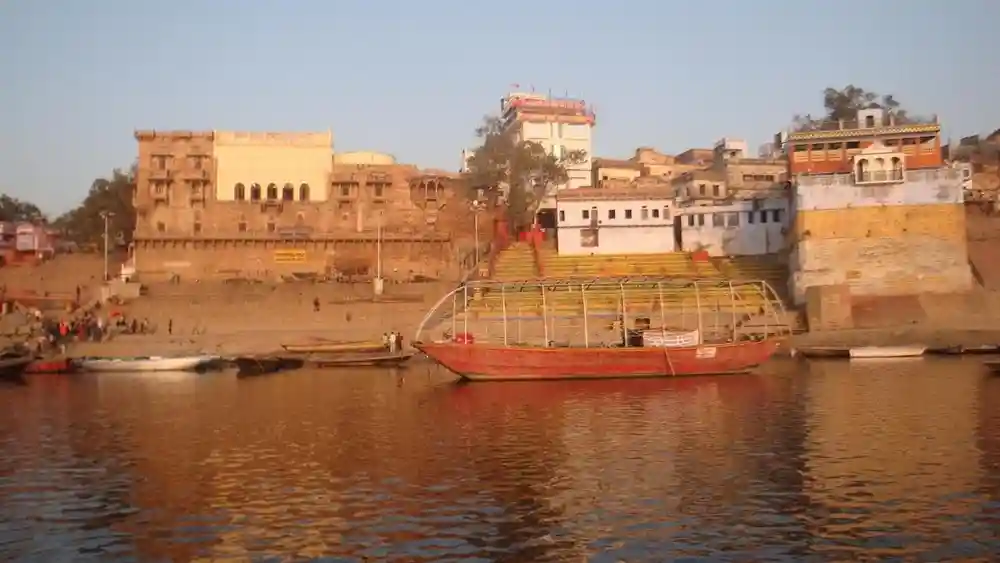
Situated at the confluence of five rivers — the Ganga, Yamuna, Saraswati, Kirana, and Dhutapapa (four of which are believed to be underground) — Panchganga Ghat is one of the most sacred of Varanasi’s 84 ghats. The Alamgir Mosque and Bindu Madhav Temple overlook this ghat. Less crowded than Dashashwamedh, Panchganga Ghat offers a more contemplative ghat experience particularly at sunrise.
Best Time to Visit Varanasi
| Season |
Months |
Temperature |
Notes |
| Winter (Best) |
Oct–Feb |
8–25°C |
Peak season. Dev Deepawali in Nov (Kartik Purnima) — all 84 ghats lit with lamps. Clear skies, pleasant weather. |
| Spring |
March |
20–30°C |
Holi in Varanasi is one of India’s most famous. Warm but manageable. |
| Summer |
Apr–Jun |
35–45°C |
Very hot and humid. Not recommended for outdoor ghat walks except morning and evening. |
| Monsoon |
Jul–Sep |
28–35°C |
Ganga in partial flood — ghats may be submerged. Humid. Reduced crowds. |
Dev Deepawali (November full moon, Kartik Purnima) is Varanasi’s most spectacular festival — all 84 ghats are illuminated with thousands of diyas. More visually dramatic than Diwali.
How to Reach Varanasi
By Air
Lal Bahadur Shastri International Airport (VNS) is 26 km from the city centre. Direct flights from Delhi (1.5 hours), Mumbai (2 hours), Kolkata (1.5 hours), Bangalore, and several other cities. Taxis to city centre cost approximately ₹500–700. App cabs (Ola/Uber) are available from the airport.
By Train
Varanasi Junction (also called Banaras Station) is the main railway station. Key trains from Delhi: Kashi Express (10–11 hours, overnight — one of the most popular), Vande Bharat Express (approx. 8 hours, fastest). From Kolkata: Vibhuti Express (12 hours). From Mumbai: Mahanagari Express (24 hours). The station is well-connected to all major Indian cities.
By Road
Varanasi is 800 km from Delhi (12–13 hours via NH-19), 295 km from Lucknow (5 hours), and 120 km from Prayagraj (2.5 hours). UP State Road Transport Corporation (UPSRTC) and private bus services connect Varanasi to Lucknow, Prayagraj, Agra, and Delhi. Road travel within Varanasi is best by auto-rickshaw or e-rickshaw — the old city lanes are too narrow for larger vehicles.
Varanasi Food — What to Eat
- Banarasi Paan: The iconic paan of Varanasi — made with Meetha Paan or Saada Paan, betel nut, gulkand, rose petals, and various condiments. The Paan Gali near Dashashwamedh Ghat has the most authentic shops. Try the Banarasi Tambool variety.
- Kachori Sabzi: The breakfast of Varanasi. Crispy kachoris served with spiced potato sabzi — available at every corner by 8 AM. Deena Chat Bhandar near Dashashwamedh is the most famous address.
- Banarasi Thandai: A thick, cold milk drink infused with almonds, fennel, rose petals, and pepper. A speciality during Mahashivaratri and Holi in Varanasi. Available year-round at thandai shops near the ghats.
- Lassi at Blue Lassi: A Varanasi institution since 1925. Blue Lassi shop near Manikarnika Ghat serves thick, creamy lassi in clay pots with seasonal fruit toppings — fruit lassi that has attracted travellers for a century.
- Malaiyo (seasonal, Nov–Jan): A delicate winter sweet made from churned milk froth flavoured with saffron and pistachios. Sold only in cool morning hours — it melts in minutes. Available near Vishwanath Temple area.
- Banarasi Silk Shopping: Varanasi is the world capital of Banarasi silk weaving. The Vishwakarma Varanasi Silk Weaving Cluster in Varanasi’s Lallapura and Madanpura areas has workshops open to visitors. Purchase directly from weavers for the best prices and authentic GI-tagged Banarasi silk.
2-Day Varanasi Itinerary
Day 1 — Ghats, Aarti & Old City
Pre-dawn (5:00 AM): Sunrise boat ride from Dashashwamedh Ghat to Assi Ghat. Watch Varanasi wake up from the river — the most cinematic 2 hours in the city. Return by 7 AM.
Morning (8–10 AM): Breakfast — Kachori Sabzi at Deena Chat Bhandar. Visit Kashi Vishwanath Temple via the new Corridor (book priority darshan slot online in advance). Explore the Corridor promenade.
Afternoon (11 AM–3 PM): Bharat Kala Bhavan Museum at BHU campus (2 hours). New Vishwanath Temple (Birla Mandir, accessible to all). Lunch at Aadha-Aadha restaurant near Assi Ghat.
Evening (5:30–8 PM): Dashashwamedh Ghat Ganga Aarti — arrive 45 minutes early for a good position or pre-book a boat. Try the evening aarti at Assi Ghat as a quieter alternative. Godowlia Market for shopping — Banarasi silk, paan, and street food.
Day 2 — Temples, Sarnath & Hidden Gems
Morning (6–9 AM): Sankat Mochan Hanuman Mandir (Tulsidas period, active worship). Durga Temple (also called Monkey Temple). Tulsi Manas Mandir.
Late morning (10 AM–1 PM): Drive to Sarnath (8 km, 20 minutes). Dhamek Stupa, Deer Park, Sarnath Archaeological Museum (Lion Capital of Ashoka), Mulagandhakuti Vihara. Allow 2.5–3 hours.
Afternoon: Ramnagar Fort (eastern bank of Ganga — excellent fort museum and river views). Nepali Mandir (peaceful, less crowded). Nandeshwar Ghat for the old-world atmosphere.
Optional extension: Chunar Fort (40 km from Varanasi) makes a good half-day trip for history enthusiasts.
Common Mistakes to Avoid in Varanasi
- Not booking Kashi Vishwanath Corridor darshan online — queues can be 2–4 hours. The temple trust’s website offers priority slots that save significant time.
- Carrying camera or phone inside Kashi Vishwanath Temple — photography is strictly prohibited inside the main shrine. Security is thorough.
- Visiting Manikarnika Ghat and taking photographs — strictly prohibited and deeply disrespectful. Approach quietly and do not linger.
- Not trying the morning boat ride — most tourists arrive mid-morning and miss the sunrise on the Ganga. The 5 AM departure is worth the early wake-up.
- Over-relying on auto-rickshaws for navigation in the old city — many lanes near Vishwanath Temple are accessible only on foot. Wear comfortable shoes.
- Not visiting Sarnath — many Varanasi visitors skip Sarnath. It is 8 km away (20 minutes) and one of Buddhism’s four holiest sites globally.
Frequently Asked Questions
Q1. What is Varanasi famous for?
Varanasi (also known as Kashi and Banaras) is famous for being one of the world’s oldest continuously inhabited cities, the Kashi Vishwanath Jyotirlinga (holiest Shiva temple in India), 84 ghats along the Ganga River, the Ganga Aarti at Dashashwamedh Ghat, Banarasi silk weaving, Sarnath (Buddhist pilgrimage site 8 km away), and the Hindu belief that dying in Varanasi achieves moksha (liberation).
Q2. How many days are enough for Varanasi?
2 to 3 days is ideal for first-time visitors — covering the main ghats, Kashi Vishwanath Temple, Sarnath, the Ganga Aarti, and the Old City. Extend to 4–5 days for a slower, more immersive experience including day trips to Chunar Fort, Vindhyachal, or Chandauli waterfalls.
Q3. What is the best time to see the Ganga Aarti?
The Ganga Aarti happens every evening at sunset at Dashashwamedh Ghat — approximately 6:30–7:00 PM in winter, 7:00–7:30 PM in summer. Arrive 45 minutes early for a good ground position, or book a boat for the best view facing the priests. The morning aarti at 5:30 AM is smaller but deeply atmospheric.
Q4. What is Dev Deepawali in Varanasi?
Dev Deepawali (Festival of Lights of the Gods) is celebrated on Kartik Purnima (the full moon of the Kartik month — typically November). All 84 ghats are illuminated with hundreds of thousands of diyas (oil lamps). It is visually more dramatic than Diwali and one of the most spectacular festivals in all of India. Accommodation must be booked months in advance.
Q5. Can non-Hindus visit Kashi Vishwanath Temple?
The original Kashi Vishwanath Temple (post-Corridor redevelopment) requires identity verification at entry. Indian citizens of any faith can enter with valid ID. For non-Hindu foreign nationals, access may be restricted to the Corridor promenade and certain sections. The New Vishwanath Temple (Birla Temple) at BHU campus is open to all visitors regardless of religion.
Q6. Is Varanasi safe for solo women travellers?
Varanasi is generally safe, but the old city lanes can be disorienting and crowded. Solo women should use app-based cabs or pre-arranged transport after dark, stay in reputable guesthouses in well-lit areas, and avoid isolated ghat areas after 10 PM. The main tourist ghats (Dashashwamedh, Assi, Manikarnika area) are busy and well-patrolled during evening hours.
Q7. How far is Sarnath from Varanasi and how do I reach?
Sarnath is 8 km from Varanasi city centre — approximately 20–30 minutes by auto-rickshaw (approximately ₹100–150 one way) or app cab. It can be visited as a half-day trip on Day 2 of a Varanasi itinerary.
Conclusion — Plan Your Varanasi Trip 2026
Varanasi is one of those cities that changes how you think about time. The sunrise on the Ganga, the evening aarti at Dashashwamedh, the narrow lanes around Vishwanath, and the long-established rhythm of daily life in India’s oldest city — it is an experience that stays with most visitors for years.
Plan for at least 2 full days. Book Kashi Vishwanath darshan slot online before you arrive. Wake up for the 5 AM boat ride. And do not skip Sarnath.
Book Varanasi Tour Packages: namasteindiatrip.com/varanasi-travel-packages | Call +91-9711616316 | Email: info@namasteindiatrip.com


 Call
Call Enquiry