Last Updated on 03/02/2026
The Buddhist Circuit in Bihar is not a sightseeing route. It is not a box-ticking pilgrimage either. It is a living historical landscape where philosophy, suffering, struggle, awakening, teaching, doubt, discipline, and compassion all unfolded in real geography.
If someone truly wants to understand Buddhism — not just visit Buddhist monuments — Bihar is unavoidable.
This is where Siddhartha Gautama lived, walked, questioned, struggled, meditated, taught, debated, and finally shaped a philosophy that later spread across half the world.
Yet, traveling across Bihar’s Buddhist sites is not always simple, smooth, or comfortable. The distances are long, facilities are uneven, and planning mistakes can easily ruin the experience.
This guide focuses on what actually matters when you travel this circuit — spiritual meaning, historical grounding, and real-world travel realities.
Why Bihar Is the Heart of the Buddhist World
Many countries today proudly promote their Buddhist heritage — Sri Lanka, Thailand, Japan, China, Myanmar, Nepal. But almost all Buddhist traditions trace their roots back to Bihar.
This is where:
-
Enlightenment happened
-
The earliest sermons were delivered
-
The first monasteries were built
-
The first Buddhist universities functioned
-
The early councils shaped Buddhist philosophy
Unlike later pilgrimage additions, most locations in Bihar are supported by archaeological evidence, inscriptions, and travel accounts of ancient pilgrims like Xuanzang and Faxian.
This makes the Buddhist Circuit in Bihar historically reliable, not just traditionally accepted.
Key Buddhist Sites in Bihar – Explained Through Meaning, Not Marketing
Instead of short tourist descriptions, let’s understand why each place exists, what happened there, and what kind of experience a traveler should realistically expect.
1. Bodh Gaya – Where Inner Silence Became Enlightenment
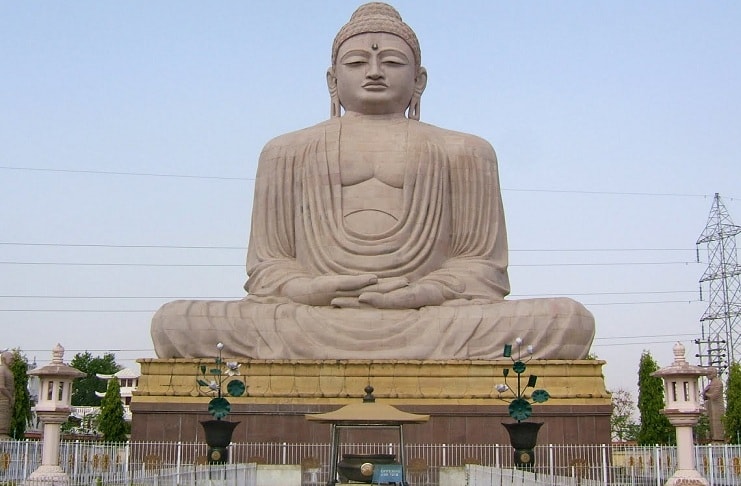
Bodh Gaya is not impressive because of its architecture. It is powerful because of its silence.
This is where Siddhartha Gautama, after years of confusion, experimentation, extreme austerity, and failure, finally found clarity. Under the Bodhi Tree, he entered deep meditation and attained enlightenment.
What Makes Bodh Gaya Unique
-
Mahabodhi Temple stands directly at the original enlightenment site.
-
The descendant of the original Bodhi Tree still grows here.
-
Monasteries from almost every Buddhist country operate here.
But beyond the structures, Bodh Gaya offers something rare: a global spiritual atmosphere without commercial noise — especially in early mornings.
Ground Reality
-
Extremely crowded between October and February.
-
Early mornings (4:30–7:30 am) are ideal for meditation.
-
Off-season months offer deeper silence but uncomfortable heat.
This is not a place for rushed sightseeing. Many travelers stay 2–3 days here, and still feel it is not enough.
2. Pragbodhi – The Forest of Failure and Realization
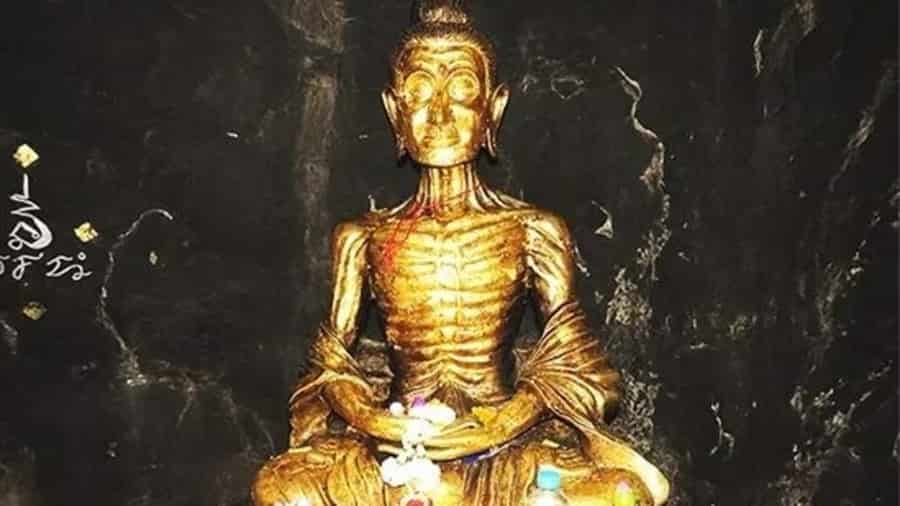
Before enlightenment, Siddhartha practiced extreme fasting and self-denial in the forests of Pragbodhi.
Here, he nearly died — and realized something fundamental:
Extreme suffering does not bring wisdom.
This realization later became the foundation of the Middle Path, which rejects both indulgence and torture.
Travel Reality
-
Forested, quiet, lightly developed.
-
No heavy crowds.
-
Simple paths and peaceful surroundings.
This place resonates more with serious seekers than casual tourists. It feels raw, honest, and human.
3. Rajgir – Where Teaching Truly Began
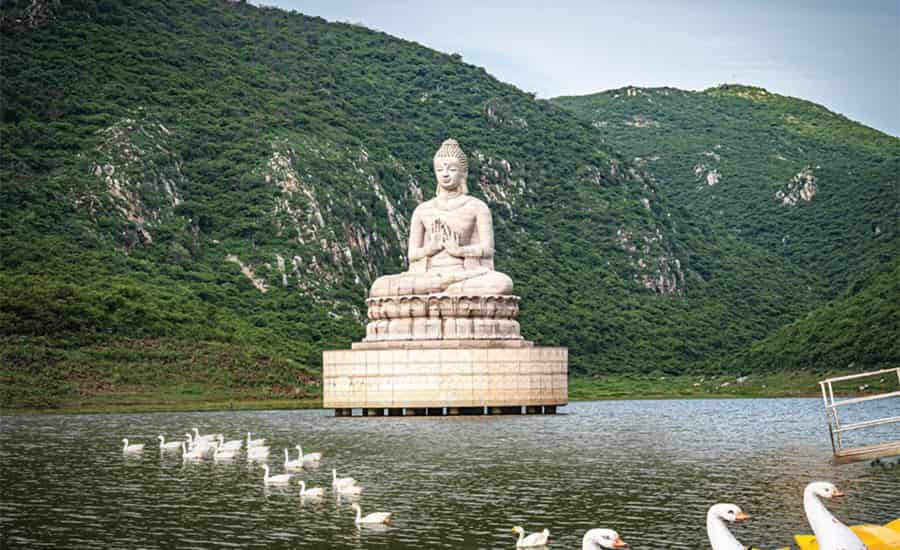
Rajgir was one of the earliest strongholds of Buddhism. King Bimbisara supported Buddha and donated land for monasteries.
Here, Buddha:
Why Rajgir Feels Different
Unlike Bodh Gaya’s meditative silence, Rajgir feels active and alive. Hills, caves, hot springs, and monasteries surround the valley.
Key locations include:
Practical Challenges
-
Hills require moderate climbing.
-
Ropeway helps but doesn’t reach every point.
-
Elderly travelers need slow pacing.
4. Nalanda University – The Lost Capital of Buddhist Knowledge
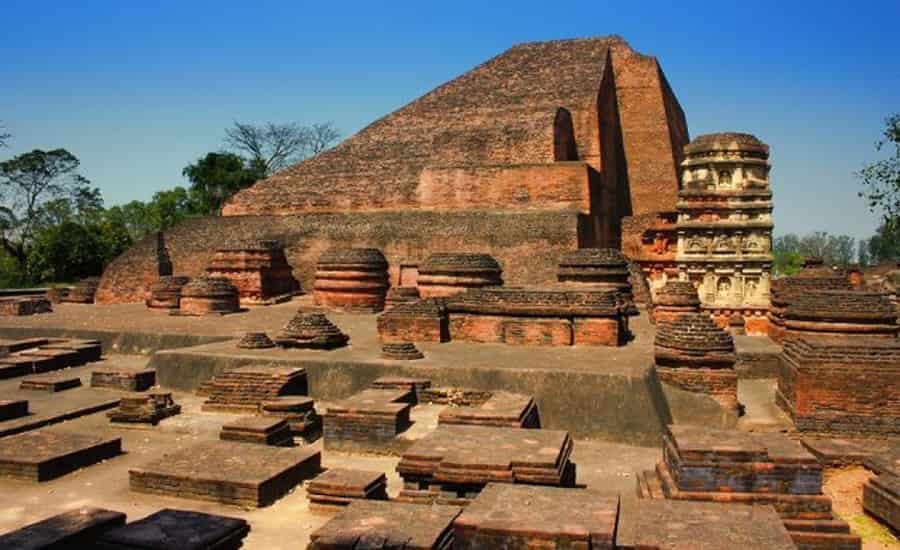
Nalanda was not a monastery. It was an academic city.
For nearly 700 years, it functioned as the world’s most advanced residential university, teaching:
- Philosophy
- Logic
- Medicine
- Astronomy
- Mathematics
- Linguistics
Students came from China, Korea, Tibet, Mongolia, Sri Lanka, and Southeast Asia.
Walking Through Nalanda Today
Today, only ruins remain — long brick corridors, meditation cells, courtyards, and libraries reduced to stone outlines.
But when walked slowly, Nalanda still feels intellectual.
This is a place that demands patience. Rushing through Nalanda reduces it to broken walls. Spending time reveals a civilization built on learning, discipline, and inquiry.
5. Nalanda Archaeological Museum – Where History Gets Meaning
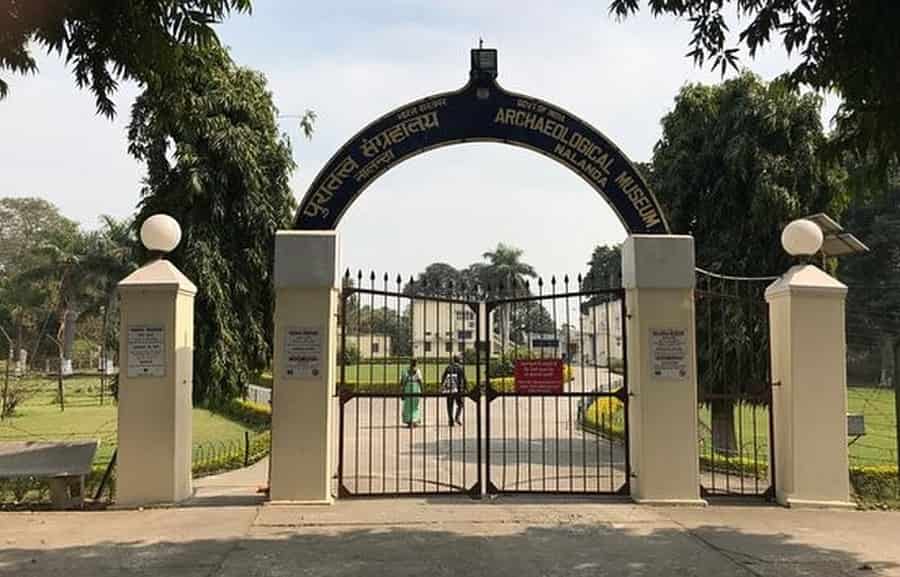
Most visitors skip museums. That’s a mistake here.
The Nalanda Archaeological Museum displays statues, inscriptions, seals, and manuscripts that help decode Buddhist philosophy, symbolism, and artistic evolution.
Without this context, many travelers misunderstand what they see across the circuit.
6. Vaishali – Where Compassion Met Impermanence
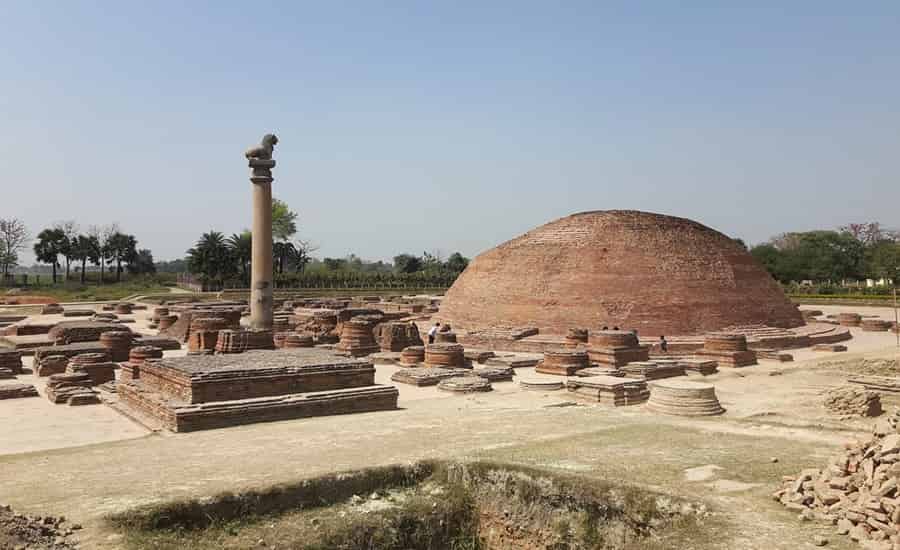
Vaishali holds emotional depth. This is where Buddha delivered his final sermon and announced his approaching death.
He spoke about impermanence, detachment, and acceptance — themes that lie at the heart of Buddhist teaching.
Spiritual Importance
- Relic stupa built after Buddha’s cremation
- Important site for early Buddhist republic governance
- Strong connection to Buddhist nuns and female monastic tradition
Present Experience
The modern memorial complex has improved visitor experience. However, Vaishali still feels peaceful rather than monumental — fitting for its philosophical role.
7. Kesaria Stupa – The Tallest Forgotten Giant
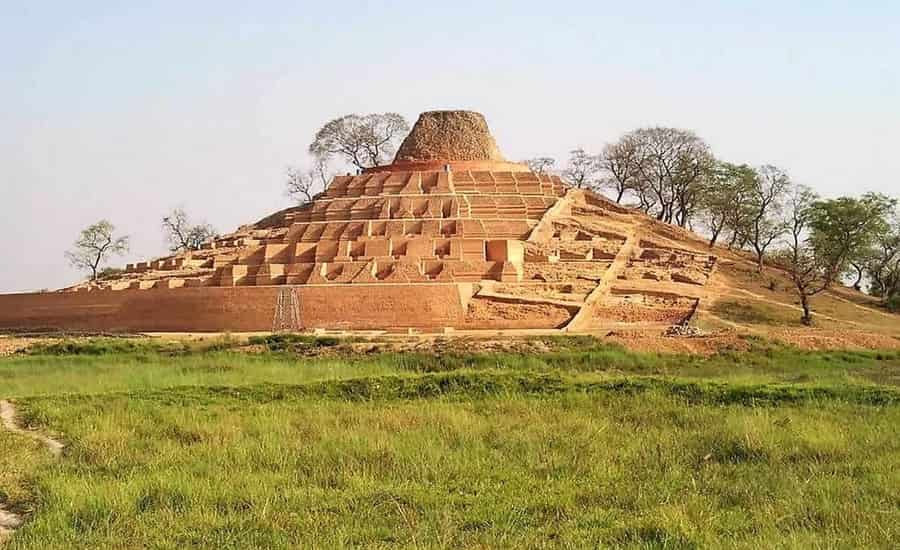
Kesaria Stupa is among the tallest Buddhist stupas in the world, built to commemorate Buddha’s final farewell to the Licchavis of Vaishali.
Why It Feels Special
Despite its size, Kesaria remains quiet, uncrowded, and humble. No heavy commercialization. No tourist rush.
Practical Limitations
- Limited facilities
- Minimal food options
- Simple surroundings
But spiritually, it often leaves a deeper impression than more developed sites.
8. Barabar Caves – Where Monastic Architecture Began
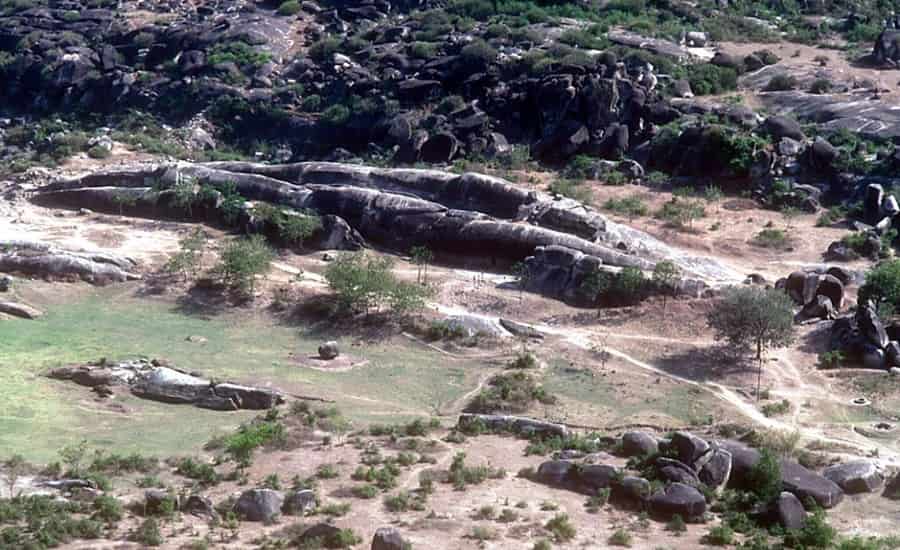
These granite caves, carved during Emperor Ashoka’s reign, represent India’s earliest surviving rock-cut caves.
Though originally linked with Ajivika monks, their design deeply influenced Buddhist cave architecture across India.
The echoing chambers, polished interiors, and geometric precision reveal ancient India’s technical mastery.
9. Ghosrawan – The Quiet Academic Ruins
Ghosrawan houses remnants of ancient Buddhist monastic complexes.
Unlike Nalanda, this site remains low-profile, attracting scholars more than tourists.
If someone enjoys exploring forgotten ruins and lesser-known history, Ghosrawan offers depth without crowds.
10. Gurpa – Where Mahakassapa Entered Final Meditation
Gurpa Hill is believed to be the meditation site of Mahakassapa, Buddha’s senior-most disciple.
Travel Reality
-
Steep climb
-
Minimal development
-
Deep silence
This is not for comfort-seekers. But those who climb often describe the summit as profoundly peaceful.
11. Hajipur – Relic Stupa Landscape
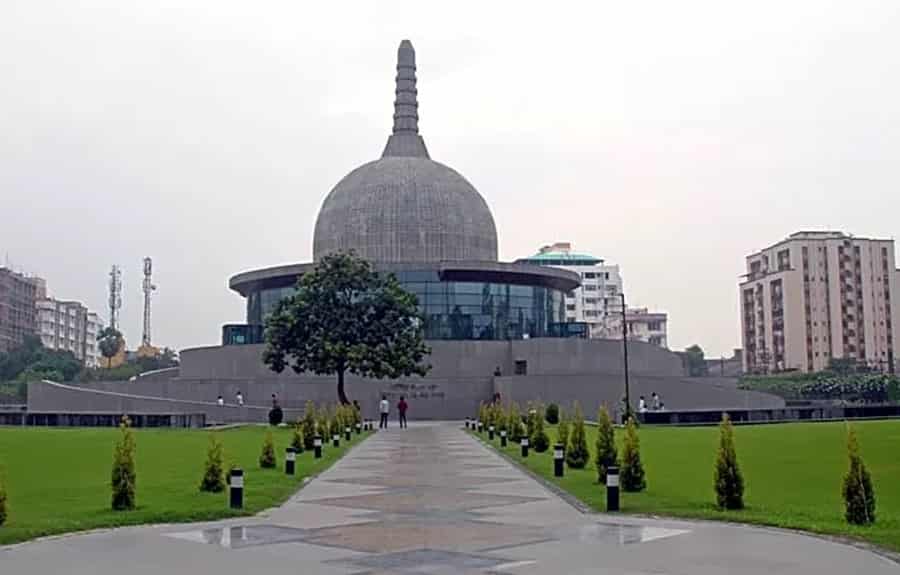
Near Hajipur lies a relic stupa associated with Buddha’s remains distribution.
The site remains modest but holds symbolic importance in the historical spread of Buddhism.
12. Champanagar – Ancient Trade & Teaching Hub
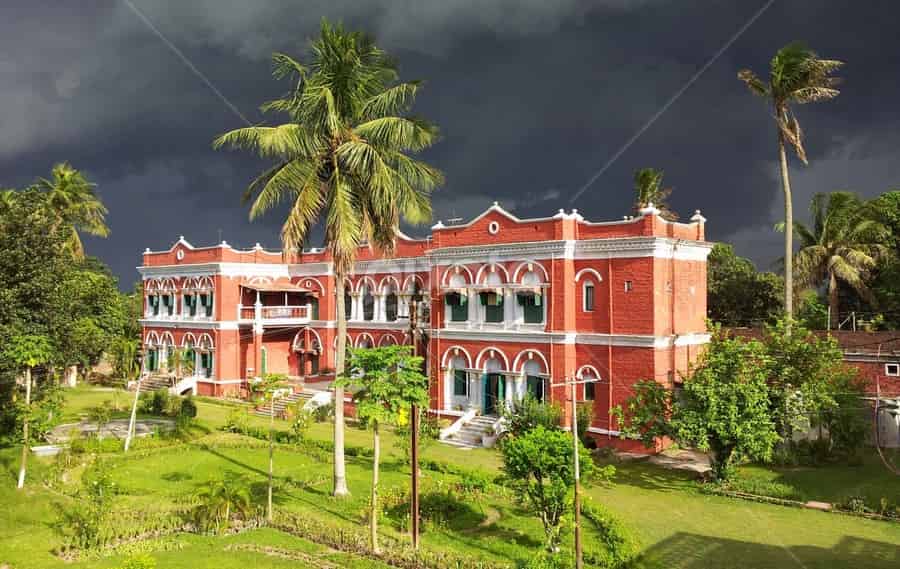
Ancient Champa (modern Champanagar) was a major commercial and cultural center during Buddha’s era.
Its role in linking eastern India with Southeast Asia helped Buddhism expand beyond the subcontinent.
13. Dona Stupa – Where Relics Were Divided
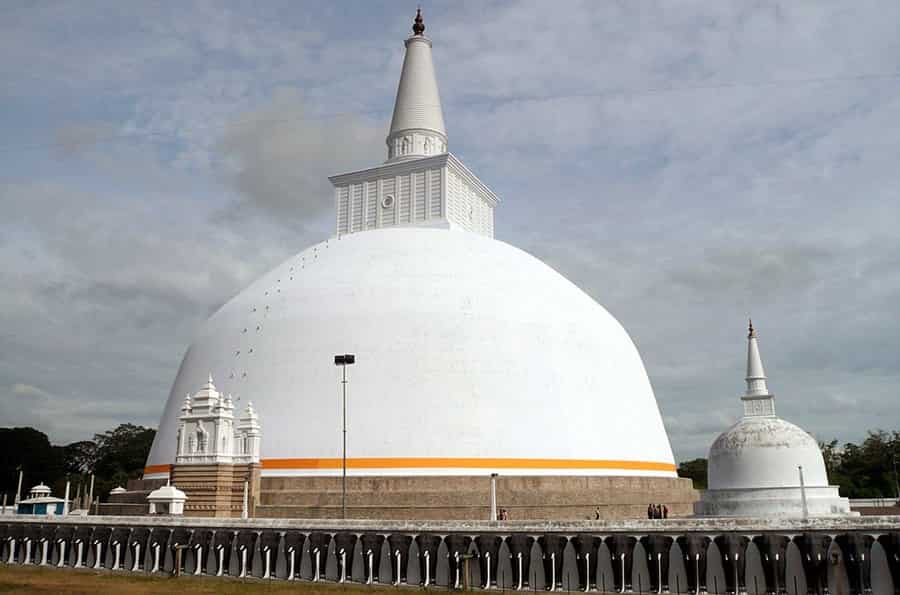
Dona Stupa marks the place where Buddha’s relics were divided among eight kingdoms — shaping the future of Buddhist stupa tradition across Asia.
Real Travel Challenges on the Buddhist Circuit
Most glossy guides ignore ground difficulties. Here is the reality:
1. Long Travel Distances
Sites are scattered across Bihar. Daily road journeys of 150–250 km are common.
2. Infrastructure Gaps
Some sites lack:
3. Climate Stress
4. Fatigue Factor
Too many sites in short time leads to exhaustion and spiritual burnout.
Who This Circuit Is Best For
Ideal For:
-
Spiritual seekers
-
Buddhist practitioners
-
History researchers
-
Slow travelers
-
Cultural explorers
May Not Suit:
Realistic Time Needed
-
Minimum: 7 days
-
Ideal: 9–10 days
Anything shorter reduces the experience into rushed temple hopping.
10 Practical FAQs Based on Real Search Behavior
1. Is Buddhist Circuit in Bihar only for Buddhists?
No. History lovers, spiritual seekers, and cultural travelers benefit equally.
2. How physically demanding is this circuit?
Moderate. Some climbing and long road journeys involved.
3. Is local guidance important?
Yes. Many sites lose meaning without explanation.
4. Can elderly pilgrims travel comfortably?
Yes, with customized pacing and transport.
5. Is food easily available?
Good vegetarian food is easily found in Bodh Gaya and Rajgir.
6. Which months are best?
October–March (except peak winter crowds).
7. Is the circuit suitable for meditation retreats?
Very much, especially in Bodh Gaya.
8. Are accommodations comfortable?
Decent hotels available in main towns; limited near remote sites.
9. Is photography allowed everywhere?
Mostly yes, except certain monastery interiors.
10. Is Bihar safe for foreign travelers?
Tourist zones are well-monitored and generally safe.
Final Thought: What the Buddhist Circuit in Bihar Really Offers
This journey does not offer luxury.
It offers perspective.
It offers insight into human suffering, doubt, discipline, compassion, and wisdom — grounded in geography, not mythology.
Those who travel this circuit with patience often return with a quieter mind and deeper understanding.
That is why Bihar remains the spiritual backbone of global Buddhism, even today.
Suggested Buddhist Tour in India:


 Call
Call Enquiry