Last Updated on 29/01/2026
Kartik Swami Temple is not a place you “visit.”
It is a place you earn your way to.
Perched at nearly 10,000 feet in the Garhwal Himalayas of Uttarakhand, this ancient shrine of Lord Kartikeya sits on a narrow ridge with 360-degree mountain views. The temple is simple. There is no grand architecture. No heavy decoration. No luxury facilities.
Yet, the moment you stand there — with snow peaks on one side and deep valleys on the other — you understand why people return changed.
This guide is written for travelers, pilgrims, photographers, trekkers, and first-time visitors who want real clarity — not promotional descriptions.
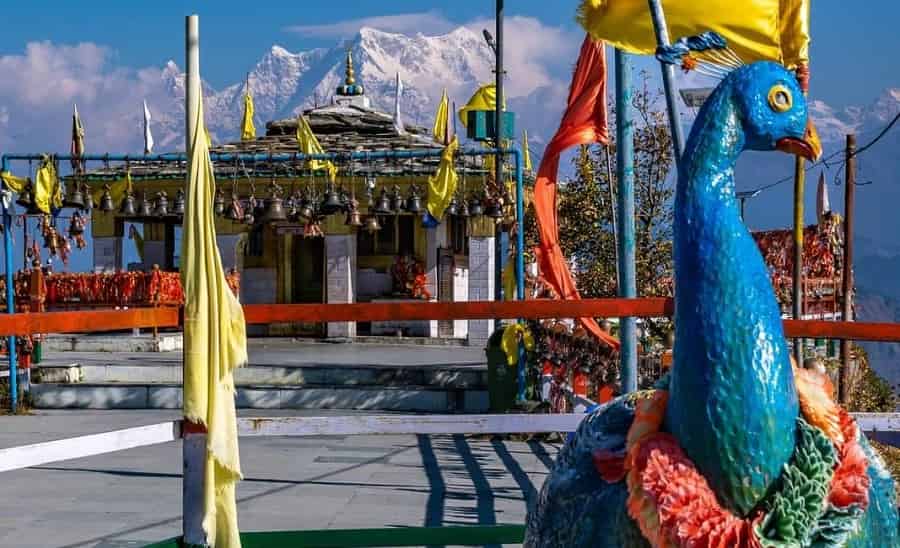
Where Exactly Is Kartik Swami Temple Located?
Kartik Swami Temple is located in Rudraprayag district of Uttarakhand, above Kanakchauri village, around 40 km from Rudraprayag town.
The final stretch includes a 3 km uphill trek, starting from Kanakchauri.
Unlike many Himalayan temples, Kartik Swami does not sit deep inside forests or valleys. It stands on an exposed mountain ridge, which is why the views here are so open, dramatic, and unforgettable.
This ridge positioning also explains:
- Strong winds
- Rapid weather changes
- Chilly mornings even in summer
- Exceptional sunrise visibility
Why Kartik Swami Is Spiritually Important
Kartik Swami Temple is dedicated to Lord Kartikeya (also known as Skanda or Murugan) — the elder son of Lord Shiva.
The Mythological Story Behind the Temple
According to ancient belief, Lord Shiva once asked both his sons — Ganesha and Kartikeya — to circle the universe, and whoever returned first would receive divine blessings.
While Kartikeya set out physically, Ganesha simply circled his parents, considering them his universe. Pleased, Lord Shiva declared Ganesha the winner.
Heartbroken, Kartikeya left Kailash and meditated in this remote Himalayan location. Eventually, he offered his bones here as a symbol of supreme renunciation.
This is why no idol exists inside the sanctum.
Only a sacred rock and divine symbol mark his presence.
This absence of idol makes the temple emotionally powerful, not visually grand.
What Makes Kartik Swami Different from Other Temples?
Kartik Swami does not overwhelm you with architecture. It moves you with silence, scale, and space.
What stands out:
- Endless mountain horizons
- Sharp ridge-top placement
- Absolute quiet during early mornings
- Uninterrupted sunrise views
- Spiritual simplicity
It feels less like a pilgrimage center and more like a meditative mountain outpost.
How to Reach Kartik Swami Temple – Ground Reality Explained
Step 1: Reach Rudraprayag
Rudraprayag is well connected by road from:
- Rishikesh
- Haridwar
- Dehradun
Most visitors stay overnight here before heading towards Kartik Swami.
Step 2: Drive to Kanakchauri Village
From Rudraprayag, it’s around 40 km, taking 2 to 2.5 hours depending on road conditions.
This mountain drive includes:
- Narrow bends
- Steep gradients
- Occasional landslide-prone sections
The road is motorable till Kanakchauri.
Step 3: Trek from Kanakchauri to Temple (3 km)
The trek is:
- Steep
- Stone-paved
- Continuous ascent
- Takes 45 minutes to 1.5 hours depending on pace
This trek is not technically difficult but physically demanding, especially for beginners.
The effort, however, is fully rewarded at the top.
Trek Difficulty & Physical Requirements – Honest Assessment
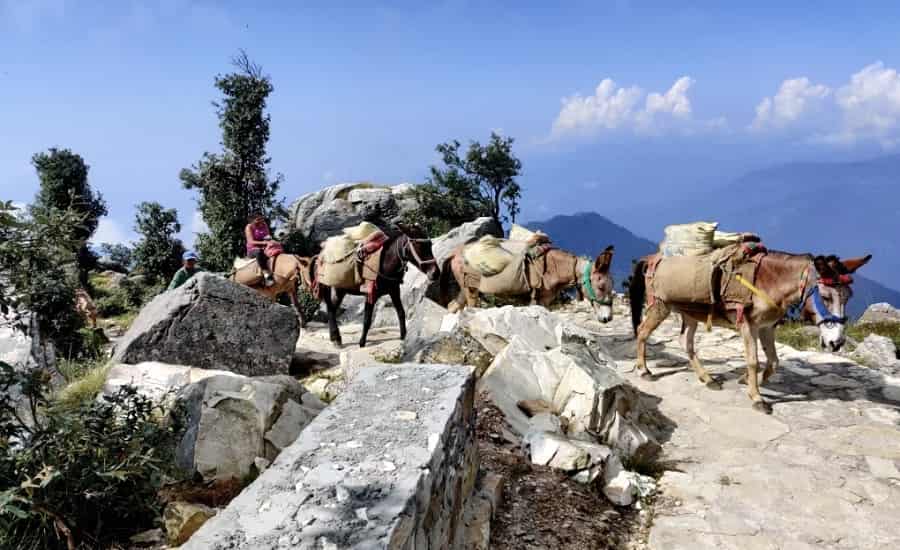
This is not a casual walk.
The trek involves:
- Sharp incline
- Thin oxygen
- Uneven stone steps
- Wind exposure
Who can comfortably do it:
- Moderately fit adults
- Regular walkers
- Trekkers
- Healthy senior citizens with breaks
Who should reconsider:
- People with knee issues
- Heart conditions
- Severe breathing problems
- Poor physical fitness
It is short, but intense.
Best Time To Visit Kartik Swami Temple (Month-Wise Breakdown)
This is where most planning mistakes happen.
Let’s go season by season.
March to June – Best Overall Window
This is the most balanced season.
Weather:
- Pleasant daytime
- Cool nights
- Stable mountain conditions
Why this period works:
- Clear skies
- Comfortable trekking
- Safe roads
- Excellent sunrise views
Ideal for:
- Families
- Senior citizens
- Photographers
- First-time visitors
This is the best time for comfort + safety + views.
July to August – Beautiful but Risky (Monsoon Season)
Monsoon transforms the entire region into deep green beauty.
But beauty comes with danger.
Challenges:
- Heavy rainfall
- Slippery trails
- Landslides
- Cloud cover
- Low visibility
If visiting during monsoon:
- Keep buffer days
- Track weather daily
- Avoid night driving
This season is best only for experienced mountain travelers.
September to November – Best for Views & Peace
This is arguably the most scenic season.
Highlights:
- Crystal clear skies
- Sharp Himalayan visibility
- Pleasant temperatures
- Low crowds
Drawbacks:
- Cold mornings
- Shorter daylight
- Early snowfall risk in November
If photography and peace are priorities, September and October are exceptional.
December to February – Not Recommended
During winter:
- Heavy snowfall
- Icy trails
- Sub-zero temperatures
- Trek becomes dangerous
Access becomes difficult and sometimes impossible.
This period is not suitable for general visitors.
Best Time of Day to Visit Kartik Swami Temple
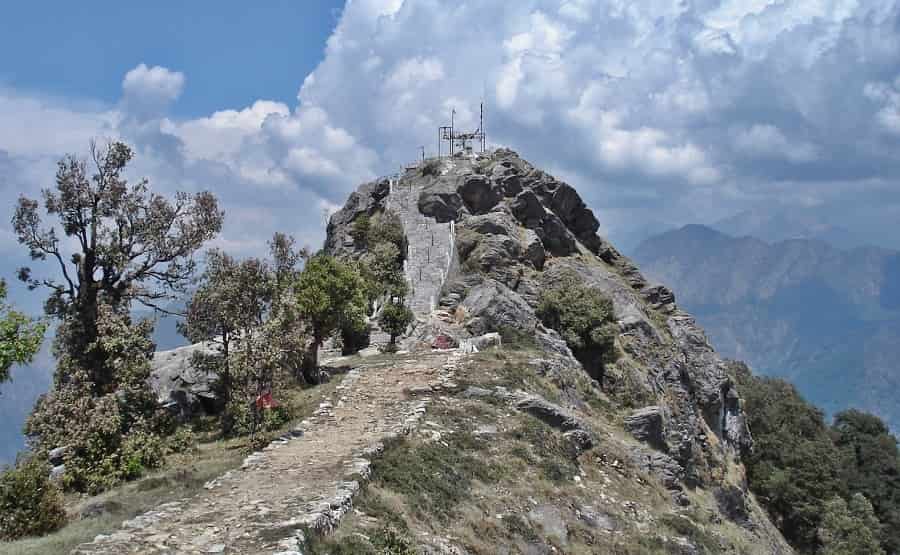
Sunrise Hours – The Real Magic
The temple is most magical between 5:30 AM – 7:30 AM.
During sunrise:
- Snow peaks glow golden
- Clouds stay below the ridge
- Wind remains calmer
- Silence dominates
This is the moment that defines Kartik Swami.
Many visitors stay overnight in Kanakchauri just to catch this sunrise.
What Views Can You Expect from the Top?
On a clear day, you can witness:
- Chaukhamba range
- Neelkanth peak
- Bandarpoonch
- Kedarnath range
- Dronagiri
- Nanda Devi (distant)
The ridge placement offers panoramic Himalayan exposure, rarely seen from temple sites.
Accommodation Options Near Kartik Swami Temple
Kanakchauri Village (Closest Stay)
- Basic guesthouses
- Simple homestays
- Limited facilities
Best for sunrise visitors.
Rudraprayag (Best Comfort Base)
- Hotels
- Budget lodges
- Better medical access
- Food options
Most travelers stay in Rudraprayag and do day trips.
Food & Facilities – Practical Reality
Facilities are basic.
At Kanakchauri:
- Small dhabas
- Tea stalls
- Simple meals
At temple:
- Occasional tea stall
- Basic prasad
Carry:
- Water
- Energy snacks
- Windproof jacket
Photography & Drone Rules
Kartik Swami is a photographer’s paradise, but respect religious sensitivity.
- Avoid intrusive photography during prayers
- Drone usage may require local permission
- Sunrise photography requires early arrival
Crowd Reality – Is Kartik Swami Overcrowded?
No — not yet.
Compared to Tungnath, Chopta, Kedarnath, Kartik Swami still remains:
- Peaceful
- Quiet
- Less commercial
- Spiritually focused
However, weekends and holidays see noticeable footfall.
Common Mistakes Visitors Make
- Starting trek late in the day
- Underestimating cold winds
- Ignoring hydration
- Wearing flat shoes
- Skipping weather checks
Practical Packing Checklist
- Trek shoes
- Windproof jacket
- Thermal layer
- Gloves (winter & early spring)
- Water bottle
- Dry snacks
- Basic medicines
Who Should Visit Kartik Swami?
Ideal for:
- Spiritual seekers
- Peace lovers
- Photographers
- Nature enthusiasts
- Short trek lovers
Not ideal for:
- Luxury travelers
- Party tourists
- Very young children
- Severe joint pain patients
Kartik Swami vs Tungnath – Which Is Better?
This depends on what you seek.
Kartik Swami:
- More peaceful
- Better sunrise
- Wider views
- Shorter trek
Tungnath:
- Higher altitude
- Larger temple
- Busier
- Famous Chandrashila summit
For serenity, Kartik Swami wins.
10 Honest FAQs About Kartik Swami Temple
1. Is Kartik Swami safe for solo travelers?
Yes, during peak season and daytime. Avoid late-night trekking.
2. How long does the trek take?
45 minutes to 1.5 hours depending on fitness.
3. Is snowfall visible?
Yes, from November to March on surrounding peaks.
4. Is night stay available near temple?
Only at Kanakchauri village.
5. Is there mobile network?
Weak and unreliable.
6. Is Kartik Swami suitable for kids?
Children above 10 years with good stamina can manage.
7. Can elderly people visit?
Yes, if physically active and healthy.
8. Is Kartik Swami crowded during Char Dham season?
Moderately, but far less than Kedarnath or Tungnath.
9. Is food easily available?
Only basic local meals.
10. Is Kartik Swami open all year?
Technically yes, but winter access becomes extremely difficult.
Final Reality Check – Why Kartik Swami Leaves a Lasting Impact
Kartik Swami does not impress through grandeur.
It impresses through silence, altitude, space, and stillness.
There is something about standing on that narrow ridge — where sky, mountains, and wind meet — that forces introspection.
If you are looking for:
- A peaceful Himalayan pilgrimage
- A soul-calming trek
- A place away from crowds
- A meaningful mountain experience
- Kartik Swami will quietly exceed expectations.
Suggested Tour:


 Call
Call Enquiry