
India Customisable 2026 1 to 5 Days
Bungee Jumping in India
Bungee jumping is one of the most direct ways to experience adventure: a few seconds of free fall, a powerful rebound and a memory that stays with you long after the harness comes off. This beginner-friendly guide explains how to plan bungee jumping in India, what to expect before the jump, how to choose a professional operator, what to wear, how weather affects the experience and how to combine an adventure day with a wider Rishikesh or North India trip.
Bungee Jumping in India: Complete Beginner Travel Guide
Bungee jumping looks simple from a distance: you stand on a platform, take a breath and jump. In reality, a good experience depends on careful planning, professional supervision, suitable weather, correct equipment, clear instructions and your own physical readiness. For a first-time jumper, understanding the process beforehand removes much of the uncertainty. You do not need to be an experienced adventure traveller, but you should arrive informed, rested and ready to follow the operator's safety rules exactly.
India has become a popular destination for adventure holidays because travellers can combine a high-adrenaline activity with mountains, rivers, pilgrimage towns, hill stations and short road trips. Rishikesh is especially well known among travellers planning bungee jumping because it also offers river-based and outdoor experiences, along with easy combinations with Haridwar and Mussoorie. The packages listed on this page can help you build a broader itinerary around the adventure rather than treating the jump as an isolated activity.
This guide is written for beginners. It does not replace the briefing given by the activity operator. Age, weight, health, weather and operational limits can differ by site, so the final instructions issued at the jump location always take priority.
What Is Bungee Jumping?
Bungee jumping is an adventure activity in which a participant jumps from an elevated platform while connected to a purpose-built elastic cord and safety system. The cord stretches during the fall and then recoils, creating the characteristic bounce. The experience is very short compared with a full day of rafting or trekking, but the emotional build-up can make it feel much bigger. For many people, the hardest part is not the fall; it is the moment of standing at the edge and committing to the jump.
A professional setup normally includes registration, eligibility screening, weighing, fitting of safety equipment, a briefing, movement to the jump platform, final checks and the jump itself. After the jump, the crew follows its established recovery procedure. Your job is simple: answer health questions honestly, listen carefully, avoid touching equipment unnecessarily and follow the countdown and body-position instructions provided by the trained team.
Why Try Bungee Jumping in India?
For Indian travellers, one of the biggest advantages is the ability to add bungee jumping to a familiar holiday circuit without planning an international adventure trip. A weekend itinerary can combine Delhi, Haridwar and Rishikesh, while a longer plan can include Mussoorie or other Uttarakhand destinations. This makes the activity suitable for groups in which only one or two members want to jump while the rest prefer sightseeing, cafés, temples, riverfront walks or scenic drives.
The experience also works well as a milestone activity. Friends book it for birthdays, couples add it to a short getaway, and solo travellers use it as a personal challenge. The appeal is less about technical skill and more about overcoming hesitation in a controlled setting. Unlike trekking or rafting, you generally do not need days of training. You do, however, need to meet the operator's eligibility rules and be comfortable following instructions under pressure.
Rishikesh as a Bungee Jumping Base
Rishikesh is one of the most practical bases for travellers interested in bungee jumping because the destination already has a strong adventure-travel ecosystem. Delhi provides a convenient starting point for many visitors, and Haridwar can easily be included in the same route. A short package can focus on Haridwar and Rishikesh, while a four-day itinerary can add Mussoorie for a more relaxed hill-station finish.
Keep the bungee session on a day with enough buffer time. Do not design an itinerary where you reach the area after a long overnight journey and immediately rush to the activity. A comfortable plan gives you time to sleep, eat lightly, understand the location and reach the reporting point without stress. Similarly, avoid placing a non-refundable transport connection immediately after the activity because weather, crowd flow or operating schedules may change.
How a First Bungee Jump Usually Feels
The experience can be divided into three phases. The first is anticipation. This begins during registration and becomes stronger as you approach the platform. The second is commitment: the countdown, the step or jump and the first seconds of free fall. The third is relief and excitement after the cord takes load and the initial fear turns into adrenaline. Knowing this pattern is useful because nervousness before the jump is normal and does not necessarily mean you should cancel.
Many beginners try to overthink the mechanics at the edge. A better approach is to finish all questions during the briefing, trust the trained crew and focus on one clear instruction at a time. Slow breathing can help manage the rush. Avoid watching too many nervous participants immediately before your turn if that increases your anxiety. At the same time, never let friends pressure you into jumping if you do not feel physically or mentally ready.
Safety Checklist Before Booking
Safety should be the first filter when comparing a bungee experience. Do not choose only on the basis of the lowest price or the most dramatic social-media video. A professional operator should have a clear registration process, trained staff, maintained equipment, defined operating procedures and transparent eligibility rules. You should be able to ask questions about the activity before paying.
- Check the operator: Book through an established activity provider and review the instructions supplied for the specific location.
- Read eligibility rules: Age, weight and medical restrictions vary, so confirm them before travelling.
- Declare health conditions honestly: Do not hide a medical issue simply because you want to participate.
- Follow the briefing: Platform instructions, body position and recovery directions are part of the safety process.
- Do not interfere with equipment: Harnesses, cords and connectors should be handled by trained staff.
- Respect weather decisions: A delay or cancellation for unsafe conditions is a safety decision, not poor service.
Who Should Be Extra Careful?
Bungee jumping is not suitable for everyone. Operators commonly screen participants for health conditions that may make sudden acceleration or an intense adrenaline response unsafe. The exact list can differ, so rely on the provider's written rules and seek medical advice when you are unsure. Pregnancy, recent surgery, serious heart or neurological problems, major back or neck conditions and certain other medical issues may affect eligibility. Never treat an online article as medical clearance.
Even if you are generally healthy, postpone the activity if you are unwell, severely sleep-deprived, intoxicated or recovering from an injury. The jump should be approached as a controlled adventure activity, not as a dare after a party. Being rested and hydrated makes it easier to understand instructions and enjoy the experience.
What to Wear for Bungee Jumping
Choose comfortable, secure clothing that allows free movement. Athletic wear, track pants, fitted trousers and a comfortable T-shirt are usually practical. Avoid very loose garments, long scarves, dangling accessories or anything that can interfere with the harness or become distracting during the jump. Secure footwear is preferable to loose slippers. Tie back long hair if requested by the crew.
Carry only what you need. Keep your phone, wallet, keys and jewellery in a safe storage area instead of trying to take them onto the platform. If the operator provides an official photo or video service, decide beforehand whether you want it so you are not distracted by your own camera arrangements.
Best Time to Plan Bungee Jumping
Weather plays an important role in outdoor adventure operations. Clear and stable conditions generally make travel and activity scheduling easier, while heavy rain, strong winds, storms or local route problems can affect operations. For a Rishikesh-focused trip, many travellers prefer the more comfortable periods outside the peak monsoon, but you should still confirm current operating dates with the activity provider before booking transport and hotels.
Weekends and holiday periods can attract more visitors, so early planning is useful. If your trip has only one possible jump day, keep some flexibility around the rest of the itinerary. Travellers with two or three nights in the region have more room to adjust if the original slot changes.
How Many Days Are Enough?
A focused bungee trip can be planned in two days when the route is simple and the activity slot is confirmed. A three- or four-day plan is more comfortable for travellers coming from Delhi because it provides time for Haridwar, Rishikesh sightseeing and an optional Mussoorie extension. Longer itineraries make sense when the group wants to add rafting, nature walks, temple visits or a relaxed hill-station stay.
| Trip Style | Suggested Duration | Planning Idea |
|---|---|---|
| Quick Adventure | 1–2 Days | Rishikesh stay with one planned bungee session |
| Weekend Break | 2–3 Days | Haridwar + Rishikesh + adventure activity |
| Relaxed North India Trip | 4 Days | Haridwar + Rishikesh + Mussoorie |
What Does a Bungee Jumping Trip Cost?
The total budget is more than the jump ticket. Your final spend can include transport to the destination, local transfers, accommodation, meals, activity charges, photography or video, and any additional sightseeing. Prices can also differ by operator, jump format, day and season. Because these elements change, it is better to compare the complete trip cost rather than looking only at one advertised activity price.
For couples or small groups travelling from Delhi, a package can simplify road transfers and hotel planning. Independent travellers may prefer booking the activity and stay separately. Either approach can work; the important part is to leave enough time between transport and the activity reporting slot.
Can You Combine Bungee Jumping with Other Activities?
Yes. Rishikesh is well suited to a mixed adventure itinerary. Depending on season, availability and your comfort level, travellers often combine the trip with river activities, camping-style stays, short hikes, yoga, cafés and sightseeing. The safest approach is not to overload one day with multiple demanding activities. Keep your bungee jump as the main event and place other experiences around it with sensible rest time.
Families and mixed-age groups can also enjoy the destination even when not everyone participates. Har Ki Pauri in Haridwar, riverfront areas in Rishikesh, local markets and a Mussoorie extension can turn the trip into a balanced holiday rather than an adventure-only schedule.
Beginner Tips to Control Fear
Fear before the first jump is normal. Start by accepting that your body may react with a faster heartbeat, shaky legs or a strong urge to step back. That response is part of the experience. Arrive early so you are not adding lateness to the nervousness. Eat according to the operator's guidance, stay hydrated and avoid excessive caffeine if it makes you jittery.
During the briefing, ask practical questions once and listen to the answers. When your turn comes, focus on the crew rather than the height below. Use slow breathing and follow the countdown. Most importantly, keep the decision yours. Adventure is enjoyable when it is voluntary and properly managed.
What to Do After the Jump
Give yourself time to settle after the activity. The adrenaline can leave you excited, tired or slightly shaky. Drink water, have a light meal when appropriate and avoid immediately rushing into a long road journey if you feel exhausted. Check any photo or video collection instructions before leaving the site.
The evening after a first bungee jump is often best kept simple. A relaxed café, riverfront walk or early dinner can be more enjoyable than squeezing in another major activity. If you are travelling with friends, this is also the moment when the jump becomes a story rather than a challenge.
How to Plan Your Bungee Jumping Tour
Start with your travel dates and origin city. Next, confirm that the bungee operator is running on your preferred day and that you meet the eligibility criteria. Then choose accommodation that gives you a realistic travel time to the reporting point. Keep one primary activity slot and avoid building a tightly timed itinerary around it. Finally, arrange the rest of the trip—Haridwar, Rishikesh sightseeing, Mussoorie or another extension—around the adventure rather than the other way around.
For beginners, a well-paced itinerary is better than a packed one. A bungee jumping holiday should feel exciting, not exhausting. The tour options below can be used as starting points for building a short Uttarakhand trip, while the travel-guide articles provide additional ideas for wider India planning.
Final Advice for First-Time Jumpers
Bungee jumping is memorable because it compresses anticipation, fear, trust and excitement into a few moments. The best preparation is not complicated: choose a professional operator, verify eligibility, arrive rested, wear practical clothing, follow every safety instruction and keep enough flexibility in your itinerary for weather or operational changes. Do that, and you can focus on the part you actually came for—the jump.
Whether you are planning a two-day Rishikesh escape or a longer Haridwar–Rishikesh–Mussoorie holiday, treat bungee jumping as one highlight within a well-planned trip. Book responsibly, respect your limits and enjoy the experience at your own pace.
11+Packages
1-5Days
Oct–JunBest Season
₹5,329Onwards
Find Your Perfect Bungee Jumping in India
Free cancellation Best price guarantee
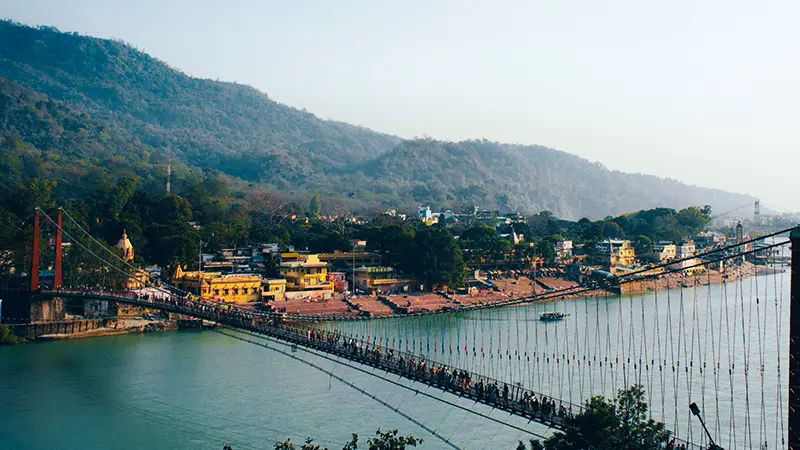



2D / 1N
Delhi - Haridwar - Rishikesh - Delhi
2-Day Haridwar Rishikesh Tour from Delhi
- Hotel
- Meals
- Transfer
- Tour
- Guide
1D / 0N
Haridwar - Rishikesh - Delhi
One Day Haridwar & Rishikesh Sightseeing Tour
- Hotel
- Meals
- Transfer
- Tour
- Guide


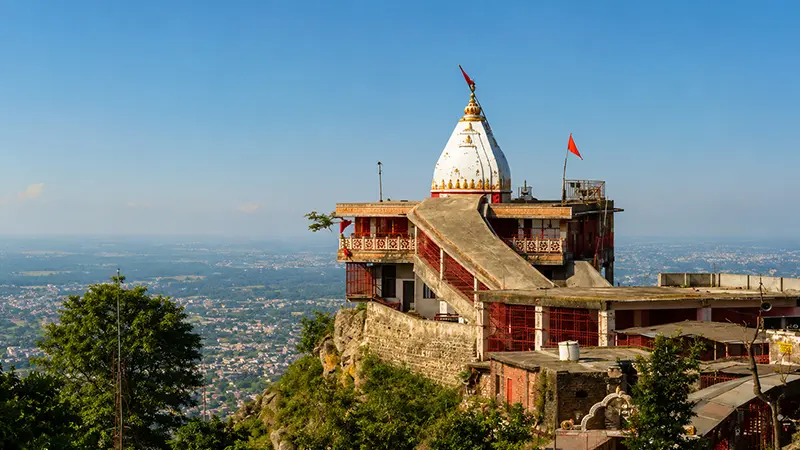

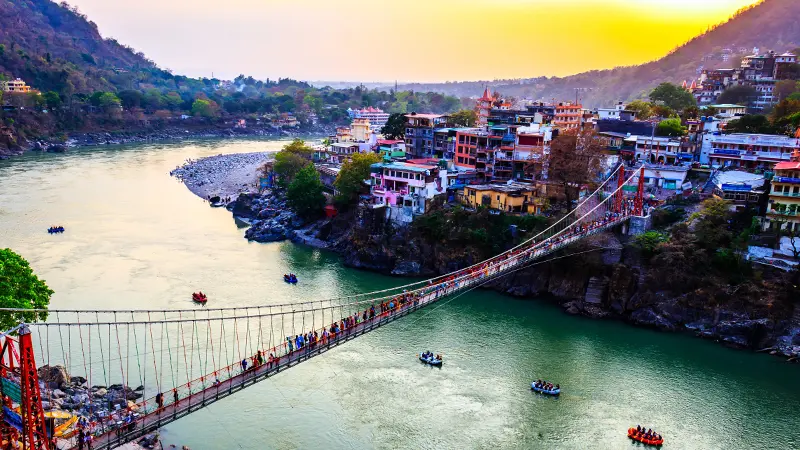
4D / 3N
Delhi - Haridwar - Rishikesh - Mussoorie - Delhi
Haridwar Rishikesh with Mussoorie Tour Package
- Hotel
- Meals
- Transfer
- Tour
- Guide



2D / 1N
Delhi - Nainital - Kainchi Dham - Delhi
2 Days Kainchi Dham Tour Package
- Hotel
- Meals
- Transfer
- Tour
- Guide





3D / 2N
Delhi - Agra - Mathura - Vrindavan - Delhi
3 Days Agra Mathura Vrindavan Tour from Delhi
- Hotel
- Meals
- Transfer
- Tour
- Guide


5D / 4N
Guwahati - Shillong - Cherrapunji - Kaziranga - Guwahati
Northeast India Special Tour Package
- Hotel
- Meals
- Transfer
- Tour
- Guide
No packages match your filters
Try adjusting your filters or broadening your search criteria.
Bungee Jumping & India Travel Guides
Planning ideas, destination guides and useful travel information
 Destination Guide
10 Offbeat & Hidden Places in India You Must Visit
Discover the top 10 hidden destinations in India with scenic beauty, peaceful stays and offbeat experiences. Perfect guide for unique trips.
Read Article Destination Guide
List of the 14 Most Beautiful Buddhist Caves in India
In this article, we will explore 14 famous Buddhist caves in India, delving into their historical significance, architectural features, and artistic treasures.
Read Article Destination Guide
8 Best Historical Places in South India – Temples & Forts
Discover South India's top historical sites. Visit forts, temples, palaces, and monuments showcasing centuries of heritage and art.
Read Article Destination Guide
31 Longest Bridges in India – Photos, Length & Interesting Facts
Explore the longest bridges in India with pictures & map. Find detailed info on each bridge's river, city & construction facts.
Read Article Travel Tips
Kailash Mansarovar Yatra from India – Registration, Cost & Route
Plan your Kailash Mansarovar Yatra from India in 2026. Check MEA registration, lottery system, cost, Nepal routes, permits & travel tips.
Read Article Destination Guide
20 Must-Visit Shiva Temples in India – Complete Travel Guide
Uncover India's top Shiva temples, their locations, timings & spiritual importance. Ideal for devotees, travelers & photography enthusiasts.
Read ArticleFrequently Asked Questions
Helpful answers for planning Bungee Jumping in India
Is bungee jumping suitable for first-time adventure travellers?
Ans: Yes, many bungee participants are first-timers. The important points are to meet the operator's eligibility rules, complete the safety briefing, declare relevant health conditions honestly and follow the crew's instructions throughout the activity.
What should I wear for bungee jumping in India?
Ans: Wear comfortable, secure clothing that allows free movement. Avoid loose scarves, dangling jewellery and unsecured footwear. The activity team may give additional clothing or footwear instructions for the specific jump setup.
How many days are enough for a bungee jumping trip to Rishikesh?
Ans: A focused trip can be planned in about two days, while three to four days gives you more flexibility for Haridwar, Rishikesh sightseeing, an activity day and an optional Mussoorie extension.
Can weather affect a bungee jumping booking?
Ans: Yes. Outdoor adventure operations can be delayed, rescheduled or stopped when weather or local conditions are not suitable. Keep some flexibility in your itinerary and confirm the operating schedule close to your activity date.
Are there age, weight or medical restrictions for bungee jumping?
Ans: Yes, but the exact limits vary by operator and jump site. Check the written eligibility criteria before booking and seek medical advice if you are unsure whether a health condition is compatible with the activity.
What should I check before booking a bungee jumping operator?
Ans: Check that the provider has a clear registration and safety process, trained staff, defined eligibility rules and transparent instructions. Do not choose an operator only because it offers the lowest price.