Every Travel Choice Leaves an Entry. Make It a Better One.
Responsible travel is not a badge added after booking. It is a series of decisions about culture, local livelihoods, resources, wildlife, movement and the stories we bring home.
Small decisions that respect culture, local livelihoods, resources and wildlife.
5 Impact DimensionsPeople, livelihoods, resources, nature and movement15 Practical ChoicesClear actions with traveller checkpointsBefore–During–AfterResponsibility across the entire journey
Five impact dimensions
Open Each Ledger to See the Choice, Impact and Checkpoint
Every action includes a practical checkpoint so the page remains useful beyond general sustainability language.
People, faith and heritageCulture & DignityResponsible choice ledger
Enter every place as a guest, not as an audience
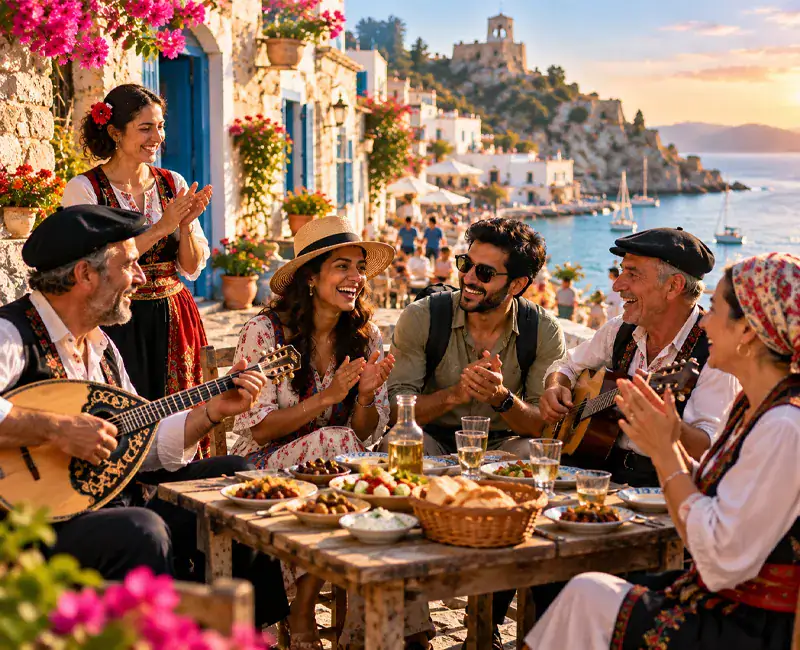
Responsible travel begins with curiosity, consent and respect. Learn the context, follow local etiquette and allow communities to define how their culture is represented.
Learn before arrival
Read about local history, faith practices, dress expectations and current community sensitivities before entering the destination.
Checkpoint: Ask the planner or guide about etiquette that may not be obvious online.
Photograph with permission
Ask before photographing people, ceremonies, homes, schools, artisans or sensitive religious spaces.
Checkpoint: A permitted photograph is more respectful than a technically perfect image taken without consent.
Match the local atmosphere
Keep voices, clothing and behaviour appropriate in temples, villages, memorials, monasteries and residential neighbourhoods.
Checkpoint: Observe before acting when the setting is unfamiliar.
Whole-journey responsibility
Responsible Travel Happens Before, During and After
The booking decision, daily behaviour and the story shared after returning home all influence the final impact.
Before You Book
Responsible choices begin in the itinerary, not after arrival.
Share mobility, dietary, cultural and accessibility needs honestly.
Compare route efficiency instead of selecting only the maximum number of attractions.
Ask whether local guides, locally owned businesses or community experiences can be included.
Review animal activities, cultural visits and remote-area logistics before paying.
While You Travel
Daily behaviour determines whether the written plan remains responsible.
Follow local guidance, permit rules, dress codes and photography restrictions.
Keep waste with you until a suitable disposal point is available.
Avoid changing wildlife behaviour for food, photographs or entertainment.
Spend thoughtfully with local businesses without aggressive bargaining that ignores craft value.
After You Return
The impact continues through feedback, storytelling and future choices.
Share accurate reviews that recognise good local service and identify genuine concerns.
Avoid publishing humiliating, intrusive or misleading images of communities.
Report wildlife, waste or service concerns through appropriate channels.
Carry the best habits into the next journey rather than treating them as one-time actions.
Namaste India Trip environmental-policy direction
The company’s existing environmental message focuses on smart itinerary design, reducing unnecessary travel distance, avoiding avoidable crowd pressure and encouraging travellers to respect nature, communities and cultural heritage. The detailed guidance on this page expands those principles into practical traveller actions.
Destination-sensitive guidance
The Responsible Choice Changes with the Type of Journey
Select a travel lens to see where extra care is usually required.
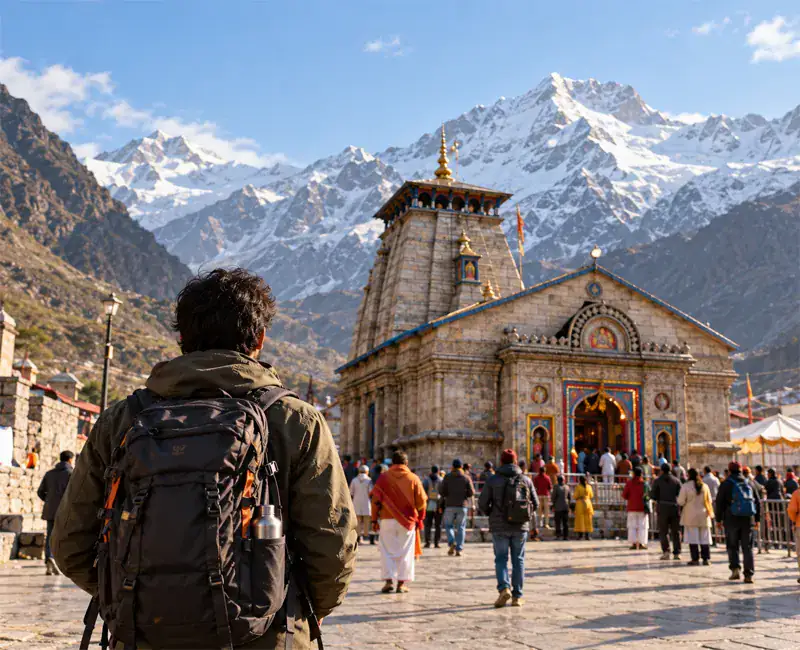
Pilgrimage
Faith requires respect for the place and the people who live there
Pilgrimage destinations may face intense seasonal crowds, waste pressure, road congestion and limited local resources.
Follow temple, shrine and local-community etiquette.
Carry reusable essentials without creating extra trail waste.
Accept regulated routes, permits and crowd-control instructions.
Keep realistic time for seniors, altitude and difficult road conditions.
Better-choice comparisons
Replace Vague Good Intentions with Specific Decisions
Each card shows a better choice, an avoidable behaviour and the reason the distinction matters.
Itinerary Design
BetterGroup nearby experiences and allow realistic travel time.
AvoidRepeated backtracking only to increase the attraction count.
WhyEfficient routing can reduce unnecessary travel and create a calmer, safer itinerary.
Local Shopping
BetterAsk about the maker and purchase authentic local work.
AvoidTreating every interaction as an aggressive bargaining contest.
WhyFair purchasing can respect skill, time and local livelihood.
Photography
BetterAsk permission and accept a refusal gracefully.
AvoidPhotographing people, rituals or private spaces without consent.
WhyA destination is a lived place, not an unrestricted content set.
Wildlife Sighting
BetterRemain quiet, distant and within approved routes.
AvoidChasing, feeding or blocking animals for a closer image.
WhyThe encounter should not change natural behaviour.
Hotel Resources
BetterUse water, cooling, heating and linen changes thoughtfully.
AvoidAssuming destination resources are unlimited because the room is paid for.
WhyLocal infrastructure may be under pressure during peak seasons.
Feedback
BetterWrite specific, fair and context-aware feedback.
AvoidPublishing humiliating images or exaggerated claims for attention.
WhyResponsible storytelling affects workers, communities and future travellers.
Personal travel pledge
Choose the Actions You Will Carry into the Journey
The pledge stays in the browser. It is not submitted or saved by the website.
15 actions across five impact dimensions0 selected
Bring Home Stories, Not a Larger Footprint.
Plan an efficient route, support local livelihoods, protect cultural dignity, use resources carefully and allow wildlife to remain wild. Responsible travel is made from repeated practical choices, not one perfect action.