
Protect the Land
Tourism should reveal natural beauty without degrading the ecosystem that sustains it.
Tourism carries a responsibility toward the land, culture, environment and people whose homes become the destinations travellers visit. Our CSR work is presented as a commitment to protect nature, strengthen communities and share the benefits created through tourism.
“For it is in giving that we receive.”St Francis of Assisi
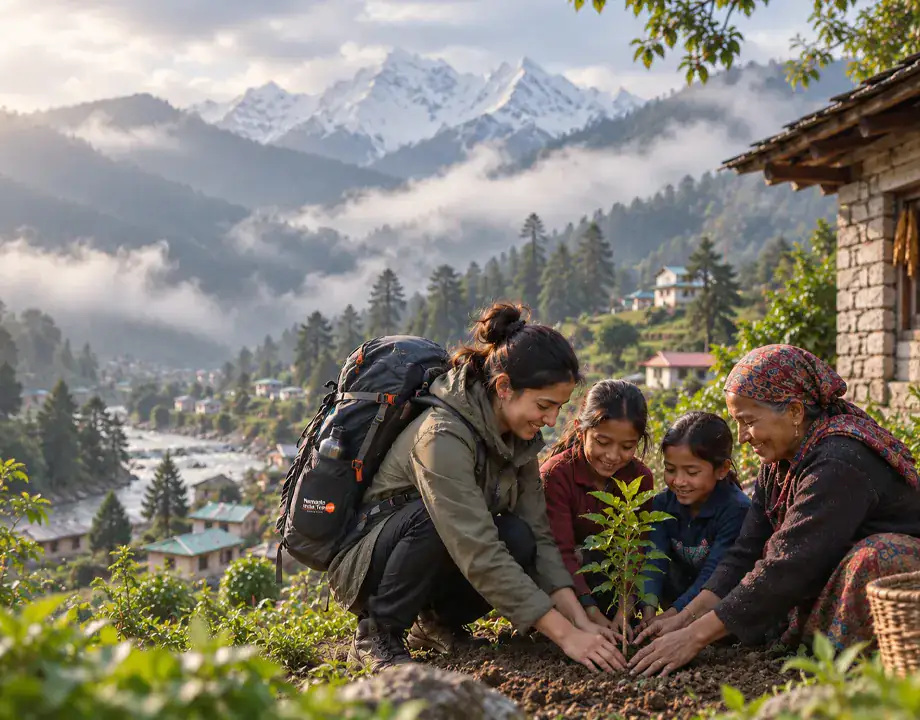
Tourism should reveal natural beauty without degrading the ecosystem that sustains it.
Traditions, skills, memories and cultural identity deserve active protection.
Local communities should participate in and benefit from destination development.
The nature of tourism carries risk to the ecosystems of the destinations it introduces to visitors. The responsibility described on the CSR page is to avoid harming Mother Nature while making hidden landscapes, sacred groves, valleys and rivers accessible.
Equally important is sharing the fruits of tourism-led development with local residents. The organisation says it works to engage, employ and encourage native communities so that they can participate in—and benefit from—the opportunities tourism creates.
The CSR narrative therefore connects environmental protection with social inclusion. A destination remains truly valuable only when its ecology, culture and communities can continue to thrive.
Use the arrows on desktop or swipe on mobile to move through the reported milestones.
Youth training and awareness programme.
Published programme-beneficiary figure.
Relief, rehabilitation and rebuilding.
Published winter-kit distribution reach.
Published disaster-relief figure.
Long-term remigration project start.
Proposed barren-land conversion.
Choose an initiative from the sticky compass. Each story opens inside the same focused panel, keeping the page interactive without repeating five long blocks.

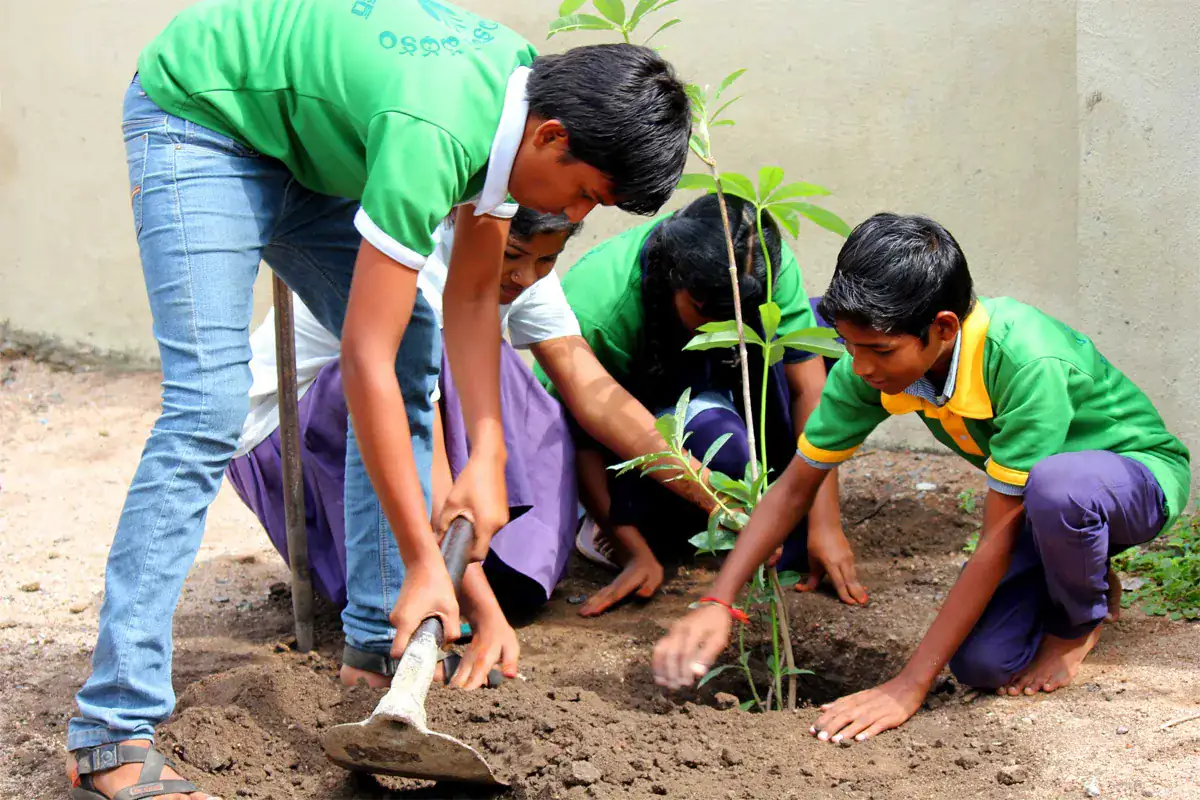
A more beautiful world is possible only if more trees are planted and cared for. In the hills and valleys of Uttarakhand, however, planting must be appropriate to altitude, soil and local ecology.
The published CSR page states that species are selected carefully for Himalayan conditions. The intention is to support ecological conservation and leave a healthier, more sustainable landscape for future generations.
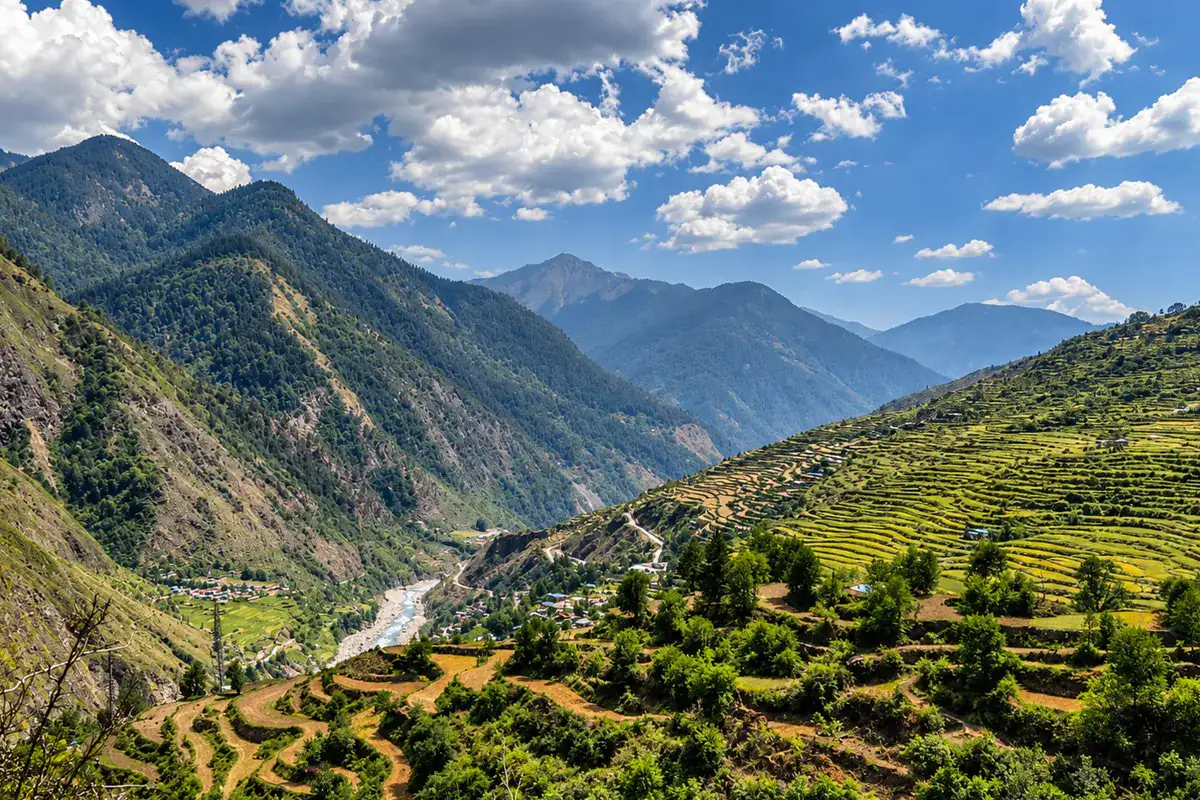
Barsu Village is described as a deserted Eden whose residents migrated in search of better livelihood and development opportunities, while remaining emotionally connected to its land, temple and village deity.
The self-initiated remigration project began in February 2014. Its pivotal intervention was the proposed conversion of 40 hectares of barren land into productive agricultural land, alongside developing the village as an eco-tourism destination. The source page also states that progress later stalled because sufficient funds were not received.
In 2011, the organisation says it organised Yuva Jagran Mahotsav to celebrate the birth anniversary of Swami Vivekananda. A six-day training and awareness programme formed part of the wider eight-day festival.
The published page reports that more than 2,000 students and villagers benefited through career counselling, awareness of government schemes, tourism and hospitality guidance, professional workshops for entrepreneurs, shopkeepers and local guides, and promotion of village women’s handicrafts.
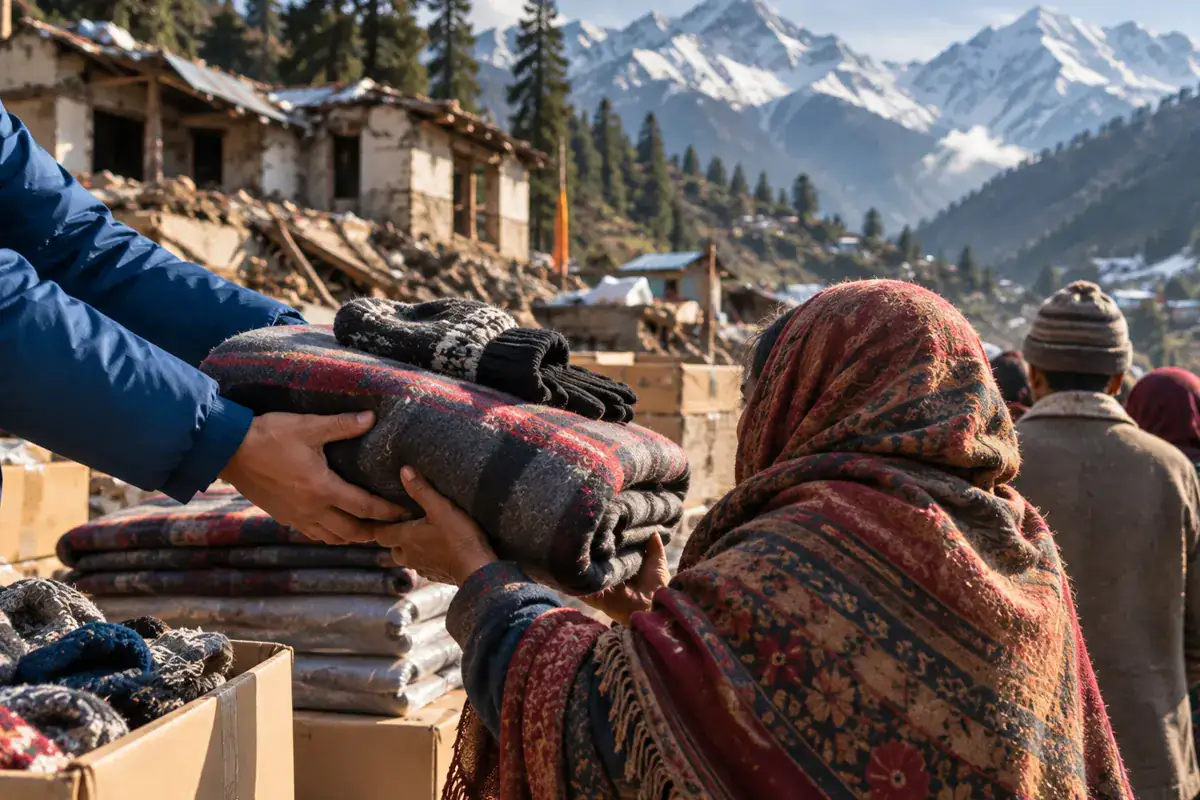
The 2013 Uttarakhand cloudburst disaster is described as a test of humanity. The CSR page states that the organisation participated in rescue, rehabilitation and rebuilding efforts.
Winter kits were reportedly distributed to more than 2,000 needy families across 25 villages. A socio-vulnerability survey helped identify people excluded from government aid, enabling cash support for eligible families. Longer-term work is described around livelihoods and disaster-risk reduction in Rudraprayag and adjoining districts.
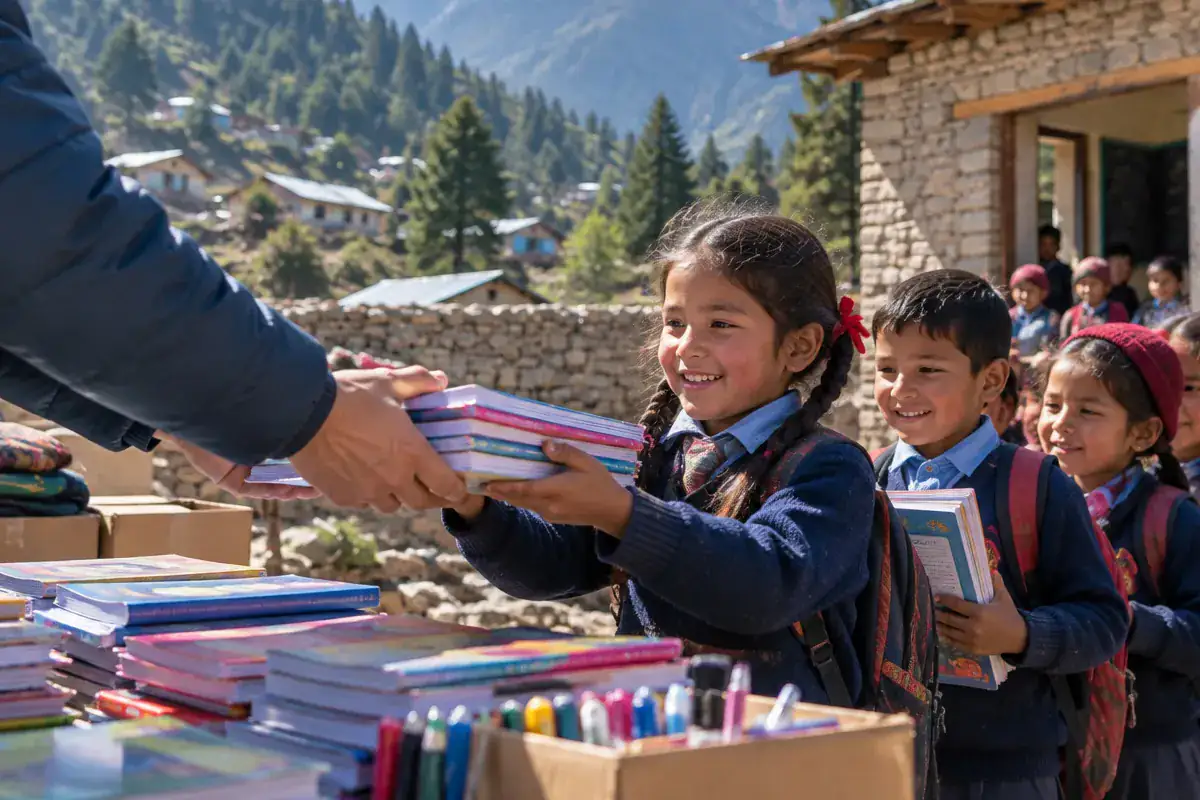
The CSR page describes children as the most direct starting point for changing the world. It states that schools were established for children from less fortunate families.
Books and stationery were also distributed without charge. The stated aim is to help ensure that every child, regardless of family income, can access education and develop their potential.
Select a network node to see how different partners can turn good intentions into real implementation.
The CSR narrative closes with a reminder that shared purpose allows organisations and individuals to work in unison toward social upliftment and nature conservation.
समानी व आकूति: समाना हृदयानि व: |
समानमस्तु वो मनो यथा व: सुसहासति ||
यथा व: सुसहा असति || “One and the same be your resolve, and be your minds of one accord. United be the thoughts of all that all may happily agree.”
The commitment continues toward the land, forests, culture and people. Participation may begin through partnership, knowledge, professional skill, resources or responsible travel choices.
“Miles to go before we sleep, for we have promises to keep.”