

 History of Uttarakhand – Know Everything about Devbhoomi - Early History
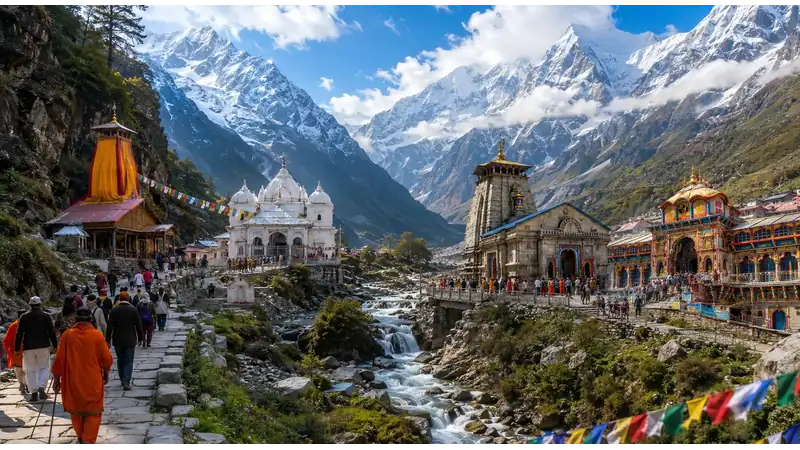
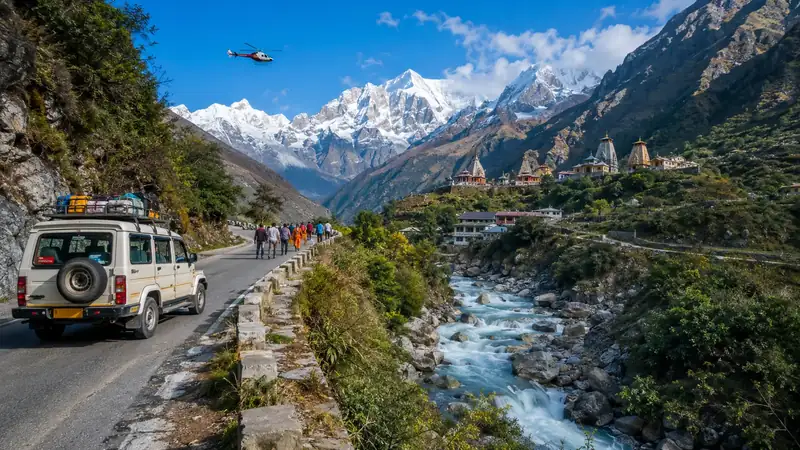
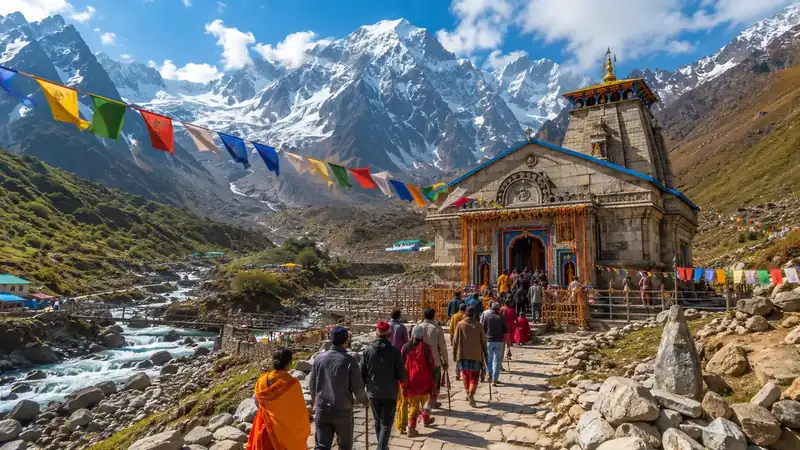
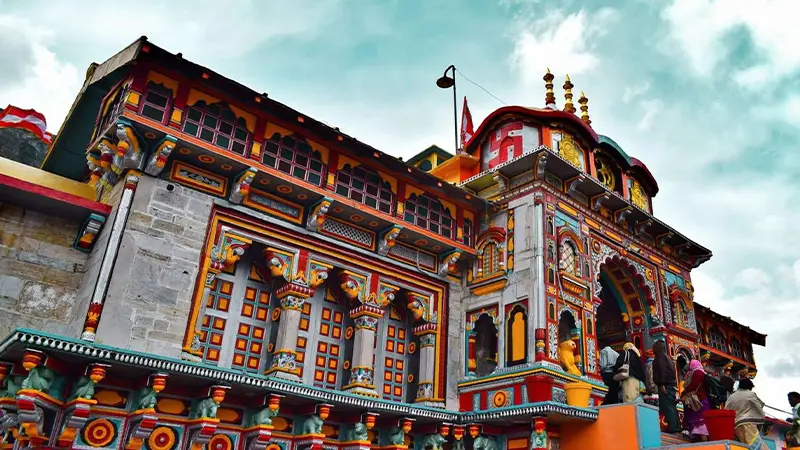
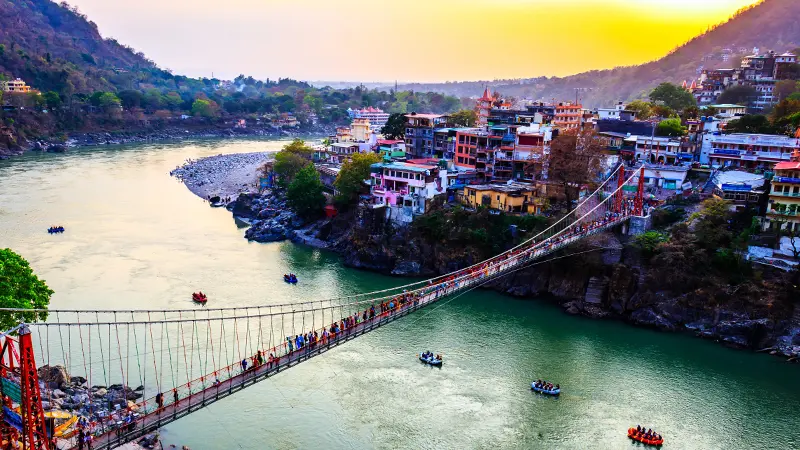
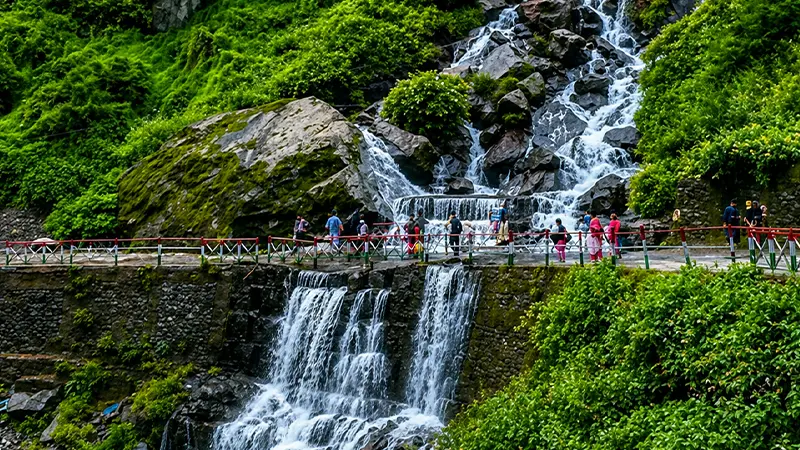
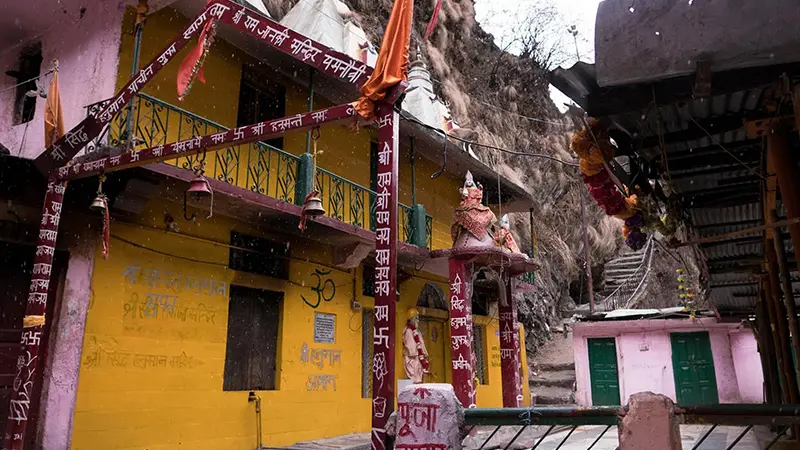
The word Uttarakhand literally translates into ‘North Land’ and it was formerly a part of Uttar Pradesh and was known as Uttaranchal. It is lovingly referred to as Devbhoomi or the land of gods and goddesses due to the presence of some of the most ancient temples, shrines and pilgrimages. This place on the hills have found its mention in various holy Hindu books for its religious and sacred significance. The entire state is covered in vast stretches of thriving green cover, Trek through the deep, lush valleys and all of which is lined by the magnificent and spiritual Himalayas. The people of Uttarakhand are famed for their humble living, traditions and their close deep bond with nature and the gods and goddesses. The smiling faces, honesty and the way they celebrated their festivals and fairs is something that will remain etched in your hearts forever. The history of this land of gods is very enigmatic, mysterious and filled with immense awe and inspiration for everyone.
Early History
The earliest history of Uttarakhand dates back to the time when the entire region was inhabited by the people belonging to the Kol tribe who are closely related to the tribes of Santal, Khasi, and the Jaintias from Bihar, Chhattisgarh, Madhya Pradesh, Assam, Meghalaya, North Bengal etc. this Kol population of people were later joined by the tribes belonging to the Indo Aryan tribes of Khas. They are said to have arrived here from the northern regions during the Vedic period. During that time also this hilly state was a hub for sadhus and rishis who found the environment here extremely pleasant and calming for performing various yoga and meditation activities. Some of the most iconic and legendary happenings that range from the Mahabharata being scripted here by Sage Vyasa to the Pandavas taking a pilgrimage here in search of Lord Shiva.
 History of Uttarakhand – Know Everything about Devbhoomi - Dynasties That Ruled Over Uttarakhand
Dynasties That Ruled Over Uttarakhand
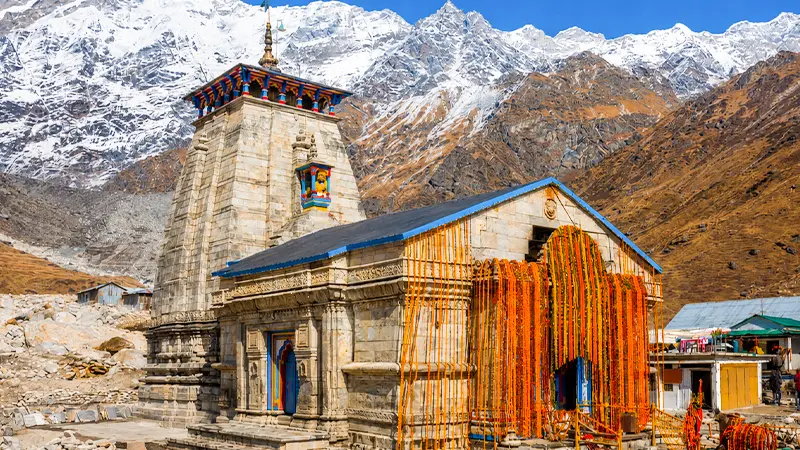
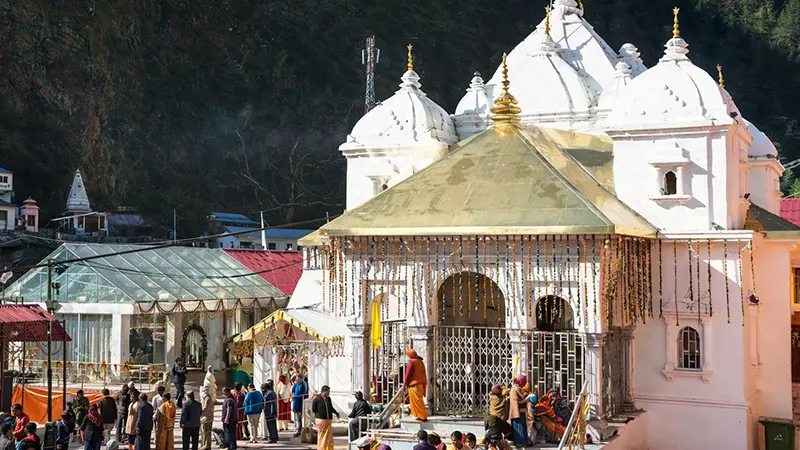
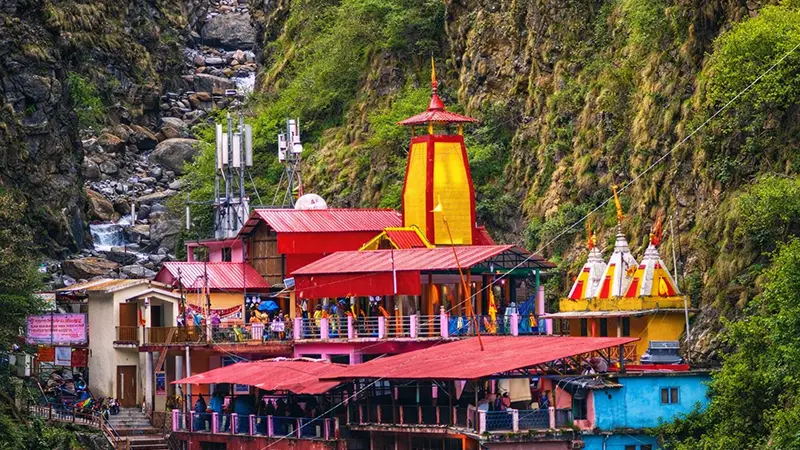
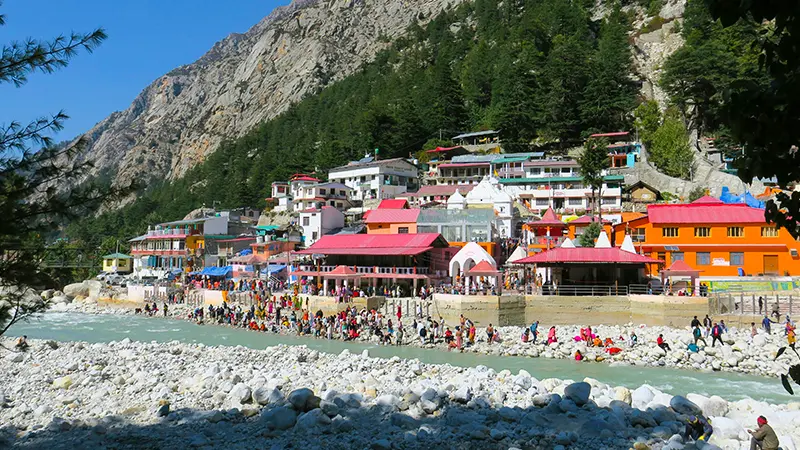
One of the first and the most major dynasties of the entire Garhwal and Kumaon region dates back to the 2nd century BC who were the Kunindas and they are also said to have performed the ancient form of Shaivism. They are said to have been in business with Tibet for salt. The region is also said to have been influenced by the believers of Buddhism through the evidence of an Ashokan edict in Kalsi which is located in close proximity to Dehradun in the western parts of the state. However later on with the efforts and hard work done by the great sage of 8th century Adi Shankaracharya Hinduism was brought back through the Re-establishment of the Char Dham Yatra pilgrimage that takes place in the Garhwal Himalayan region. Later on by the 7th and 14th century the region was covered by the Katyuri dynasties to whom the locals owe their regional fairs and festivals which takes place even in the present day. The Jaunsar-Bawar region was also a part of the Garhwal kingdom which was later on captured by Sirmaur Rulers. However, Jaunsari is still a language which is experienced there even if you visit now. Prior to the establishment of the British cant area in the year 1866 this place was entirely referred to as the Jaunsar-Bawar and it was called so up until the 20th century.
Medieval History of Uttarakhand
During the medieval time just prior to the British rule the entire region was consolidated and separated in the form of a Garhwal kingdom in the western part and Kumaon kingdom in the eastern end. The Chand rajas ruled this place from a time period of 13th to 18th century. This was a time when the art, culture and traditions in Uttarakhand flourished and have been well preserved even till the present days across various museums. Later on the modern day Garhwal regions have been unified under a rule of the rajas of Parmar or Panwar kings. These kings are said to have arrived from the plain parts of India ranging from the Brahmins to the Rajputs. Then, in the year 1791, the Gurkha Empire in Nepal further stretched in to India to as far as Almora which then became the seat of the kingdom of Kumaon. The Gurkhas also became successful in snatching the Garhwal Regions as well by 1803. The Anglo-Nepalese war of 1816 a huge part of the Garhwal Kingdom was Re-established in the form of Tehri and then Kumaon ceded to the British as a part of a treaty of Sugauli.
Uttarakhand after Independence
 Dynasties That Ruled Over Uttarakhand
Garhwal and Kumaon History
Garhwal Kingdom:
Founded in the year 888 AD this kingdom later on became a part of the British raj in India. People from this region were active participants in the quit India movement which was waged against the British. Later on, while on one side Sardar Vallabhbhai Patel was working towards the unification of India on the other end, the people of Garhwal themselves were forcing the king to accept the concept of a sovereign India. In 1949 the last ruler of Garhwal – Manavendra Shah gave up and Garhwal officially became a part of India.
Kumaon Region:
Meanwhile the Kumaon region of Uttarakhand was a complete battle field. Before the British annexation 8 princely states existed in the region who were in complete control. The eastern Garhwal was attached with the newly annexed Kumaon region. Just like the Garhwal population, Kumaon people also actively participated in the quit India movements along with being heavily influenced by the teachings and motivation by Mahatma Gandhi. This is the reason why the people here immediately and very willingly India’s sovereignty. today, exploring places like Almora and Champawat offers a majestic glimpse into that rich historic legacy .
Compare relevant packages and request a customised travel plan from the Namaste India Trip team.

Share your experience, ask a question, or leave useful tips for other travelers.