
India Customisable 2026 1 to 13 Days
Badrinath Yatra Package from Bangalore
Planning a Badrinath Yatra package from Bangalore is one of the most meaningful decisions a devotee can make. The distance is real — over 2,600 kilometres separating Karnataka's capital from the sacred Chamoli district of Uttarakhand — but the route is well-established, the options are practical, and thousands of pilgrims from Bangalore make this journey every season.
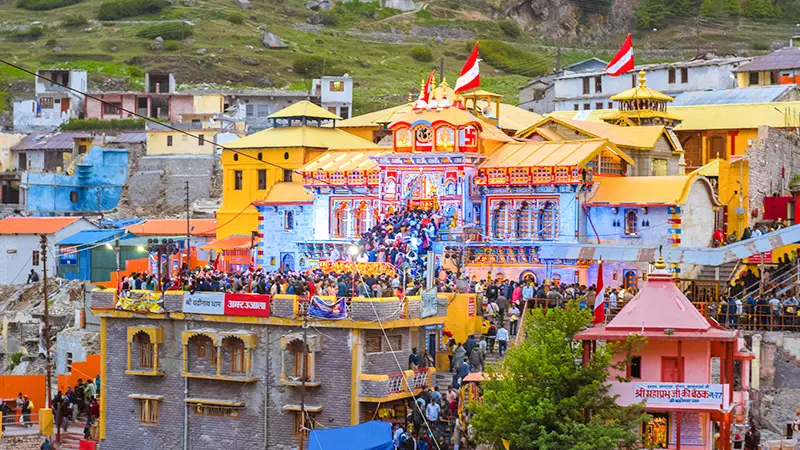
Badrinath temple, one of the 108 Divya Desams and the final stop on the Char Dham circuit, opens in late April every year and closes in November before the Himalayan winter sets in. In 2026, the kapat (temple doors) opened on 23 April. This guide covers everything you need to plan this pilgrimage confidently — routes, costs, timing, darshan tips, and what to actually prepare for.
- Total distance: - approximately 2,500–2,600 km by road from Bangalore to Badrinath.
- Fastest route: - fly Bangalore (Kempegowda International Airport) to Dehradun (Jolly Grant Airport) — 2 hours — then road to Badrinath via Rishikesh and Joshimath (~295 km, 9–10 hours).
- Total trip duration: - 7–10 days.
- Best months: - May–June and September–October.
- 2026 temple opening: - 23 April.
- Mandatory registration: - registrationandtouristcare.uk.gov.in.
Spiritual Significance of Badrinath Temple
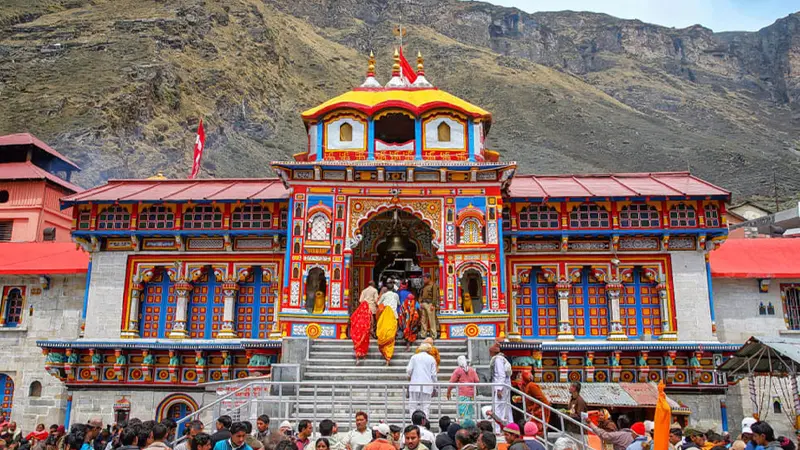
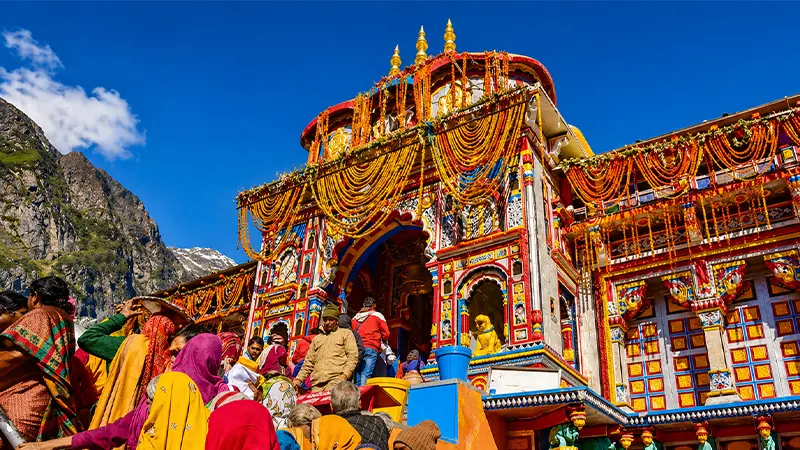
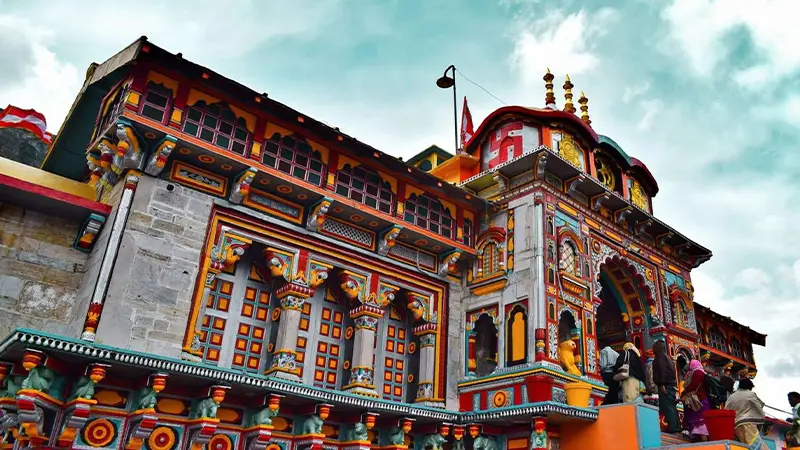
The Badrinath temple is one of the most ancient Vishnu shrines in India. It was consecrated by Adi Shankaracharya in the 8th century CE and sits at 3,300 meters above sea level in the Chamoli district of Uttarakhand, on the banks of the Alaknanda River. The presiding deity is Lord Vishnu in his Badrinarayan form - seated in padmasana (meditative posture).
For Vaishnava devotees, Badrinath holds a unique distinction: it is one of the 108 Divya Desams, the sacred Vishnu temples celebrated in the Nalayira Divya Prabandham by the Alvars. For pilgrims from South India - especially Bangalore - this connection to the Divya Desam tradition gives the Yatra an added layer of devotional meaning that extends beyond the Char Dham circuit alone.
- One of the 108 Divya Desams - highly significant for Vaishnava devotees from South India
- Established by Adi Shankaracharya in the 8th century CE
- Lord Vishnu worshipped here as Badrinarayan - in meditative (Padmasana) form
- The Neelkanth Peak (6,597 m) rises directly behind the temple - a breathtaking natural backdrop
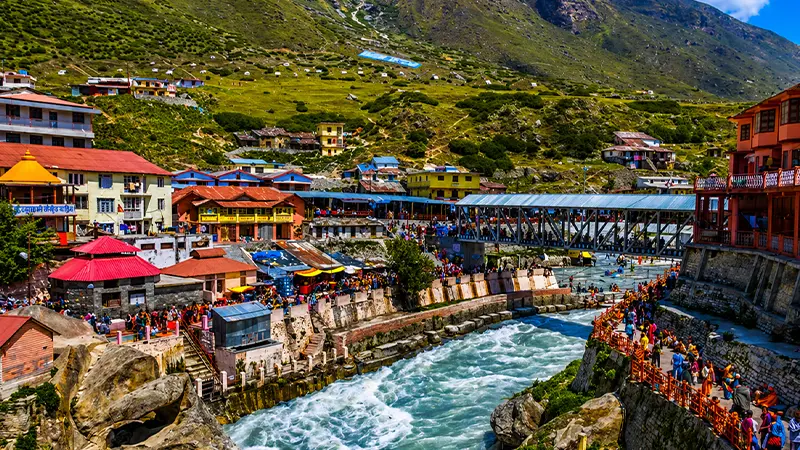
- The Alaknanda River flows at the temple's base; Tapt Kund hot spring is at the foot of the temple steps
Why Pilgrims from Bangalore Travel to Badrinath
Bangalore is home to one of India's largest concentrations of Vaishnava devotees, and the Badrinath connection through the Divya Desam tradition makes this yatra particularly resonant for pilgrims from Karnataka, Tamil Nadu, and Andhra Pradesh.
What most people don't realize is that the practical challenge of the distance has reduced significantly. Direct flights from Kempegowda International Airport to Jolly Grant Airport, Dehradun operate daily. From Dehradun, the mountain road to Badrinath is well-maintained, paved throughout, and accessible by private taxi. There is no trekking required to reach the temple - cars go directly to Badrinath town.
- Completing the Char Dham Yatra: Badrinath is the fourth and final Dham - pilgrims who have visited Yamunotri, Gangotri, and Kedarnath complete the circuit here
- Divya Desam significance: particularly meaningful for Tamil Vaishnava and Iyengar devotees from Karnataka
- Brahma Kapal: one of Hinduism's most important sites for performing Pind Daan (ancestral rites) - many families visit specifically for this
- The Himalayan setting: the visual drama of Neelkanth Peak, the Alaknanda valley, and Mana Village (India's last village) cannot be replicated
Badrinath as Part of the Char Dham Yatra
The Char Dham Yatra covers four sacred shrines across Uttarakhand: Yamunotri, Gangotri, Kedarnath, and Badrinath - in that traditional order. Badrinath is the final destination, positioned at the eastern end of the circuit.
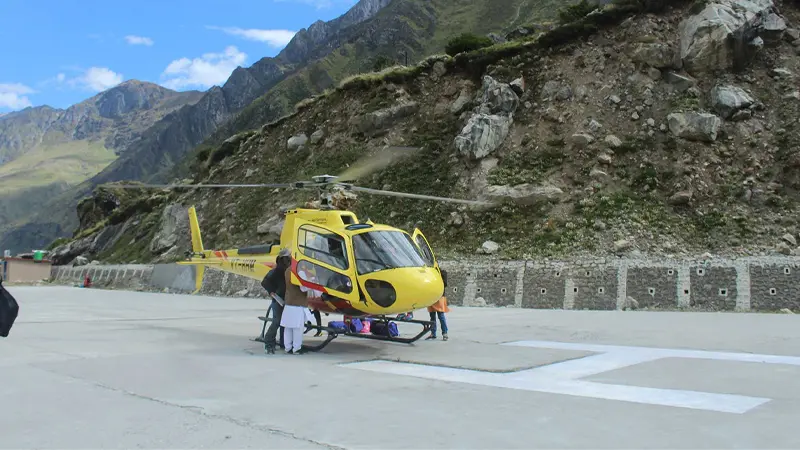
Pilgrims from Bangalore typically organize the full Char Dham circuit in 12-16 days by road. Those who only want to visit Badrinath can plan a focused 7-9 day trip from Bangalore. Helicopter service to Badrinath is available from Dehradun's Sahastradhara Heliport for those who want to reduce road travel time in the mountains.
2026 Opening dates: Yamunotri & Gangotri: 19 April | Kedarnath: 22 April | Badrinath: 23 April. Temple closes in November based on the Hindu Panchang.
Travel Routes from Bangalore to Badrinath
There are three practical ways to travel from Bangalore to Badrinath. Each has a different cost, time, and comfort profile.
| Route | Mode | Approximate Time | Approx. Cost | Best For |
|---|---|---|---|---|
| Bangalore → Dehradun (fly) → Rishikesh → Badrinath | Flight + Road | 2 hrs flight + 9-10 hrs road = ~12 hrs total | ₹8,000-₹15,000 (flight) + road | Fastest; best for seniors and limited leave |
| Bangalore → Haridwar (train) → Joshimath → Badrinath | Train + Road | 33-40 hrs train + 9 hrs road | ₹1,500-₹4,000 (train) + road | Budget-friendly; comfortable for families |
| Bangalore → Delhi (train/fly) → Haridwar → Badrinath | Train/Flight + Road | Varies; 2-3 days total | Depends on mode | Good for combining Delhi sightseeing |
Route Details: Bangalore to Badrinath
By Air (Recommended)
Fly from Kempegowda International Airport, Bangalore to Jolly Grant Airport, Dehradun - approximately 2 hours. Multiple airlines operate this route daily, with fares ranging from ₹4,500 to ₹15,000 one way depending on advance booking. From Jolly Grant Airport, hire a pre-booked taxi directly to Rishikesh (35 km, 45 min) or Haridwar (54 km, 1 hour). From Rishikesh, the road to Badrinath covers approximately 295 km through Devprayag, Rudraprayag, Karnaprayag, Nandprayag, Vishnuprayag, and Joshimath - about 9-10 hours.
By Train (Budget Option)
Trains from Bangalore connect to Haridwar or Delhi, from where you connect to Haridwar. Key trains: Bangalore-Delhi Rajdhani (33-40 hours), Bangalore-Haridwar Express. Once in Haridwar, hire a private taxi or board a state bus to Joshimath (approximately 250 km, 8-9 hours). From Joshimath, Badrinath is 45 km further by road - about 1.5 hours.
No trek required: Badrinath temple is directly road-accessible. Vehicles drive into Badrinath town and the temple is a short walk from the main road.
The Road to Badrinath: What You Actually Pass Through
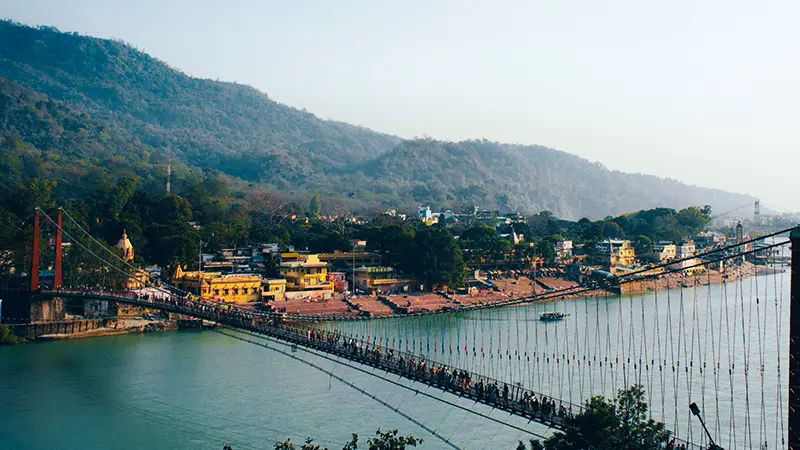
The mountain road from Rishikesh to Badrinath is one of the most scenic drives in India. The highway follows the Alaknanda River through a series of Prayags - sacred confluence points where two rivers meet.
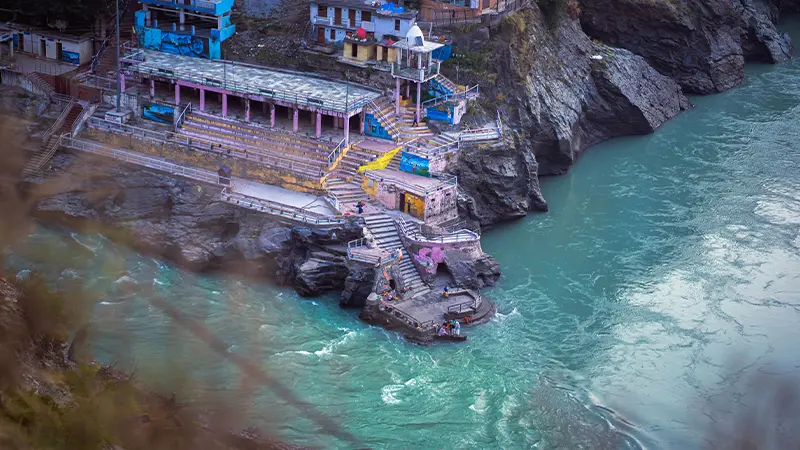
- Devprayag (470 m): Bhagirathi and Alaknanda rivers merge to form the Ganga - visually striking, worth a 15-minute stop
- Rudraprayag (610 m): Alaknanda meets the Mandakini River from Kedarnath
- Karnaprayag (788 m): Alaknanda meets the Pindar River
- Nandprayag (914 m): Alaknanda meets the Nandakini River
- Vishnuprayag (1,372 m): Alaknanda meets the Dhauliganga River - last major confluence before Joshimath
- Joshimath (1,875 m): The main town before Badrinath; most pilgrims spend a night here to acclimatize
Badrinath Temple Darshan: Practical Guide
Knowing the temple's timings, rules, and puja options before you arrive saves significant time and confusion at the temple gates.
- Morning Darshan opens at 4:30 AM with Maha Abhishek - the first puja of the day
- Regular Darshan continues until approximately 9:00 PM (Shayan Aarti, the final puja of the day)
- Special pujas - Abhishek and Garbhagriha Darshan - can be booked in advance through the official Badrinath-Kedarnath Temple Committee (BKTC) website: badarikedar.org
- Mobile phones, cameras, and recording devices are not permitted inside the main prayer hall
- Purchase prasad and offering items from authorized shops near the temple gate only - avoid unauthorized vendors
- Darshan puja costs: ₹500-₹3,000 depending on type (Abhishek, Garbhagriha, Sampoorna)
Queue tip: Arrive for Darshan by 5-6 AM. By 9-10 AM during peak May-June season, queues extend to 2-4 hours. Morning Darshan is quieter and more meditative.
Best Time to Visit Badrinath
The temple is open from late April to November. Within that window, not every month is equally comfortable.
| Month | Temperature | Crowd Level | Notes |
|---|---|---|---|
| Late April-May | 8-18°C | Moderate, builds in May | Fresh season; possible snow on trail to Mana Village; quieter first 2 weeks |
| June | 12-20°C | Highest | Best weather; peak crowd season; book accommodation 4-6 weeks ahead |
| July-August | 10-18°C | Low | Monsoon; landslide risk on NH-58; road closures possible; avoid |
| September-October | 5-15°C | Moderate | Best-kept secret: post-monsoon clarity, dramatic views, manageable crowds |
| November | 0-10°C | Very low | Closing ceremonies; cold; not recommended unless specifically for kapat closing |
Top Places to Visit Around Badrinath
The pilgrimage does not end at the main temple. The area around Badrinath holds several sites of deep religious and scenic significance - and most are within a few kilometres of the temple.
- Tapt Kund: A natural hot sulphur spring at approximately 45°C, located at the foot of the temple steps. Pilgrims take a ritual bath here before Darshan. The contrast between the cold mountain air and the warm spring water is a uniquely powerful experience.
- Mana Village: Located 3 km from Badrinath, this is the last inhabited village before the India-China border. Home to Vyas Gufa (where Sage Vyas is said to have dictated the Mahabharata), Ganesha Gufa, and Bhim Pul - a natural rock bridge over the roaring Saraswati River. Most organized tours rush past this; insist on at least 2 hours here.
- Brahma Kapal: A flat sacred platform on the banks of the Alaknanda River where Hindu devotees perform Pind Daan (ancestral rites). One of the most important sites in Hinduism for this purpose - many families visit Badrinath specifically for this ritual.
- Vasudhara Falls: A 145-meter waterfall located 9 km from Badrinath, reachable by a moderate trek from Mana Village. Surrounded by high-altitude meadows and Himalayan peaks.
- Neelkanth Peak: The magnificent 6,597-metre snow peak directly behind the Badrinath temple. Visible clearly from the temple courtyard on clear mornings.
- Charan Paduka: A rock with an imprint believed to be the footprint of Lord Vishnu, located about 3 km from the temple.
What Bangalore Pilgrims Should Actually Know
Pilgrims from Bangalore consistently underestimate one thing: the altitude adjustment. Badrinath sits at 3,133 metres. Bangalore is at 920 metres. That jump happens over 9-10 hours of mountain driving on the day you arrive - and your body notices.
One mistake many people make is arriving in Badrinath on Day 1 from Rishikesh without an overnight rest in Joshimath. Joshimath is at 1,875 m - spending one night there before ascending to Badrinath makes a real difference in how you feel at the temple. The morning darshan at 5 AM on a well-rested, acclimatized body is an entirely different experience from arriving breathless and groggy at 3 PM the same day.
For families flying from Bangalore: book a morning flight to Dehradun, arrive by noon, drive to Joshimath that evening (5-6 hours from Dehradun), and leave for Badrinath the next morning. This pacing is consistently better than trying to reach Badrinath on the same day as your flight.
What to Pack for Badrinath Yatra
Clothing
- Thermal inners (2 pairs) - nights at Badrinath drop to 4-8°C even in May and June
- Fleece mid-layer and a windproof outer jacket
- Comfortable walking shoes with grip - the path to Tapt Kund and around the temple is stone-paved
- Rain poncho or compact waterproof jacket - mountain weather changes rapidly
- Woolen socks and a light cap for morning Darshan
Documents and Essentials
- Original Aadhaar card - required at checkpoints on NH-58
- Printed Yatra registration slip (URN) from registrationandtouristcare.uk.gov.in - mandatory since 2023
- Darshan booking confirmation if you have pre-booked special pujas via badarikedar.org
- Cash: minimum ₹5,000-₹8,000 in ₹100 and ₹500 notes - ATMs exist in Badrinath town but are often under-stocked in peak season
- Powerbank and torch - electricity can be unreliable in mountain areas
Health and Safety
- Basic first-aid kit: paracetamol, antacid, ORS sachets, anti-diarrheal
- AMS (Acute Mountain Sickness) medication (Diamox/Acetazolamide) - consult your doctor before use
- Pulse oximeter - particularly useful for those above 55 or with BP or cardiac conditions
- Personal prescription medicines with sufficient supply for 10+ days
Cost Breakdown
| Package Type | Cost Per Person | What's Included |
|---|---|---|
| Budget (train + basic accommodation) | ₹18,000-₹25,000 | Sleeper-class train, GMVN guesthouses, basic meals, 8-9 days |
| Standard (flight + mid-range hotels) | ₹35,000-₹50,000 | Dehradun flight, 3-star hotels, private taxi, 8 days |
| Premium (flight + comfortable accommodation) | ₹50,000-₹70,000 | Dehradun flight, best available hotels, AC vehicles, 7-8 days |
| Special darshan pujas (Abhishek / Garbhagriha) | ₹500-₹3,000 per puja | Book at badarikedar.org before departure |
Always carry cash: ATMs in Badrinath exist but run low during peak season. UPI works at some shops but is unreliable. Carry ₹5,000-₹8,000 in small denominations from Joshimath or Rishikesh.
Mandatory Yatra Registration
Since 2023, online Aadhaar-linked registration is compulsory for all Chardham pilgrims, including those visiting only Badrinath. Without a valid URN (Unique Registration Number), you will be stopped at highway checkpoints on NH-58.
- Register at: registrationandtouristcare.uk.gov.in - free and takes 5 minutes
- Also available via the Tourist Care Uttarakhand app
- WhatsApp registration: send 'Yatra' to +91-8394833833
- Walk-in registration: available at counters in Haridwar and Rishikesh (expect queues during peak season - do it online before leaving Bangalore)
Common Mistakes to Avoid
- Not registering online before departure - checkposts on NH-58 check for your URN; walk-in registration queues take hours in peak season
- Skipping the Joshimath overnight stop - arriving at Badrinath (3,133 m) directly from Rishikesh the same day causes altitude fatigue for many pilgrims
- Visiting in July-August without contingency plans - landslides regularly close NH-58 during monsoon; pack for extra unplanned nights if you must travel in this window
- Not pre-booking accommodation - Badrinath town has limited rooms; May-June and September-October peak dates fill 3-4 weeks ahead
- Rushing past Mana Village - the most consistently regretted skip on this yatra
- Carrying large currency notes beyond Joshimath - ₹2,000 notes are often not accepted; carry ₹500 and ₹100 notes from Rishikesh
Pro Tips
- Book a morning flight to Dehradun - arriving by noon gives you time to reach Joshimath the same evening without rushing
- Start mountain drives at 6-7 AM daily - mountain roads have less traffic early, and landslide clearance happens overnight
- Pre-book Garbhagriha or Abhishek darshan at badarikedar.org - these fill for peak dates weeks in advance
- September-October visit from Bangalore is genuinely underrated: Dehradun flights are cheaper, accommodation rates drop, and the post-monsoon clarity makes Neelkanth Peak behind the temple look extraordinary
- If traveling with elderly parents, add 1-2 buffer days to the itinerary - mountain drives are tiring and altitude adjustment varies person to person
- Save emergency numbers before leaving Bangalore: State Emergency 1070 | Ambulance 108 | Police 112 | Tourist Helpline 1364
Why Choose Namaste India Trip for Badrinath Yatra
Namaste India Trip is a government-registered travel company with extensive experience organizing Char Dham and Badrinath pilgrimage packages from South India.
- Packages starting from Kempegowda International Airport, Bangalore - flight, road transfer, and accommodation all coordinated
- Transparent, all-inclusive pricing - no hidden charges on ground
- Pre-booked BKTC Darshan slots for Abhishek and Garbhagriha included in premium packages
- Dedicated support for elderly pilgrims - vehicle with reclined seating, acclimatization planning, medical support
- Yatra registration assistance included in all packages
- 24x7 on-ground support from Haridwar to Badrinath
13+ Packages
1-13 Days
May–Jun Best Season
₹3,493 Onwards
Find Your Perfect Badrinath Yatra
Free cancellation Best price guarantee



1D / 0N
Dehradun → Badrinath → Dehradun
Badrinath Yatra by Helicopter
- Hotel
- Meals
- Transfer
- Tour
- Guide



1D / 0N
Dehradun → Kedarnath → Badrinath → Dehradun
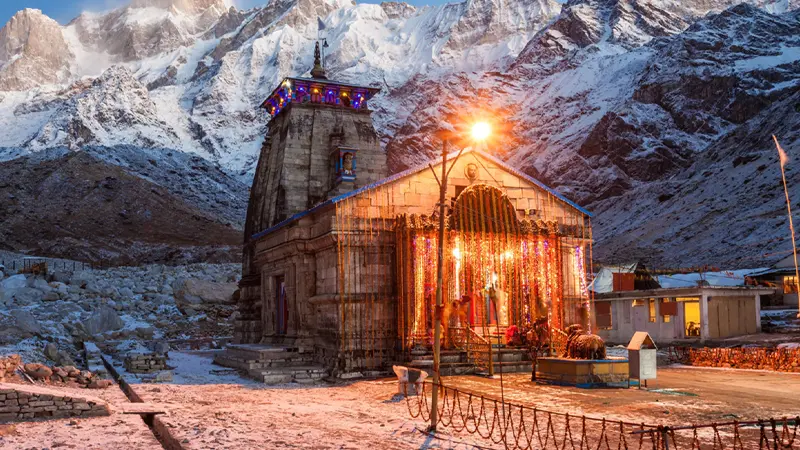
Do Dham Yatra by Helicopter
- Hotel
- Meals
- Transfer
- Tour
- Guide
5D / 4N
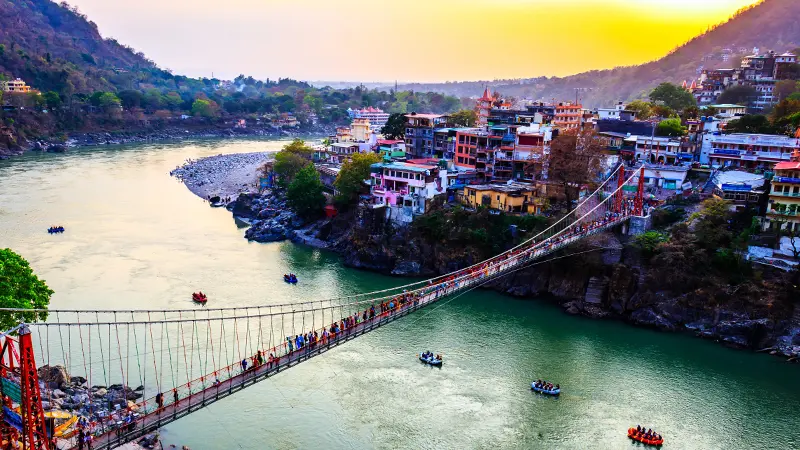
Delhi → Haridwar → Joshimath → Badrinath → Rishikesh → Delhi
Badrinath Tour from Delhi
- Hotel
- Meals
- Transfer
- Tour
- Guide
4D / 3N
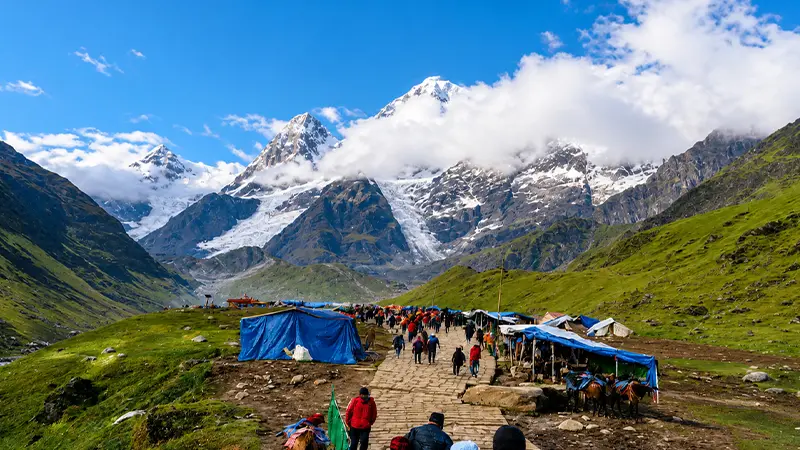
Haridwar → Rudraprayag → Joshimath → Badrinath → Haridwar
Badrinath Yatra from Haridwar Tour
- Hotel
- Meals
- Transfer
- Tour
- Guide

8D / 7N
Delhi → Haridwar → Guptkashi → Kedarnath → Joshimath → Badrinath → Rishikesh → Delhi
Badrinath Kedarnath Yatra from Delhi
- Hotel
- Meals
- Transfer
- Tour
- Guide

6D / 5N
Dehradun → Yamunotri → Gangotri → Kedarnath → Badrinath → Dehradun
Char Dham Yatra by Helicopter
- Hotel
- Meals
- Transfer
- Tour
- Guide
No packages match your filters
Try adjusting your filters or broadening your search criteria.
Badrinath Yatra Package from Bangalore Travel Guides
Practical pilgrimage guides, route information and useful travel planning tips
 Travel Guide
Badrinath Kedarnath Yatra From Delhi
Practical information related to badrinath kedarnath yatra from delhi, with planning points that can help travellers prepare for Badrinath Tour Packages.
Read Article Travel Guide
Badrinath Temple
Practical information related to badrinath temple, with planning points that can help travellers prepare for Badrinath Tour Packages.
Read Article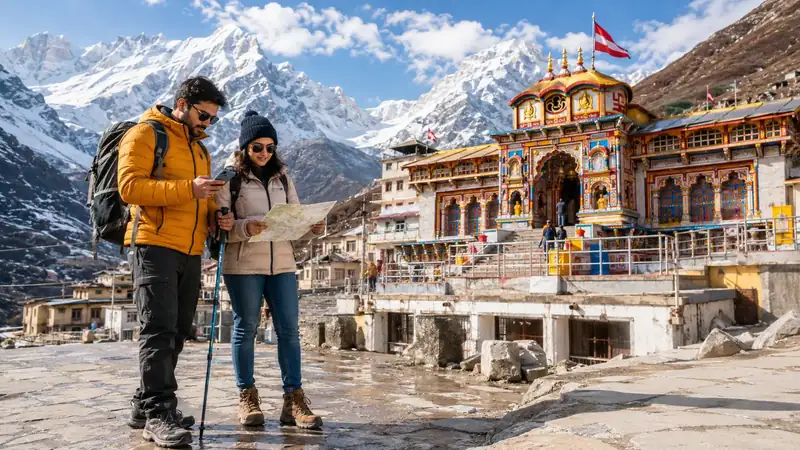 Travel Guide
Badrinath Travel Tips
Practical information related to badrinath travel tips, with planning points that can help travellers prepare for Badrinath Tour Packages.
Read Article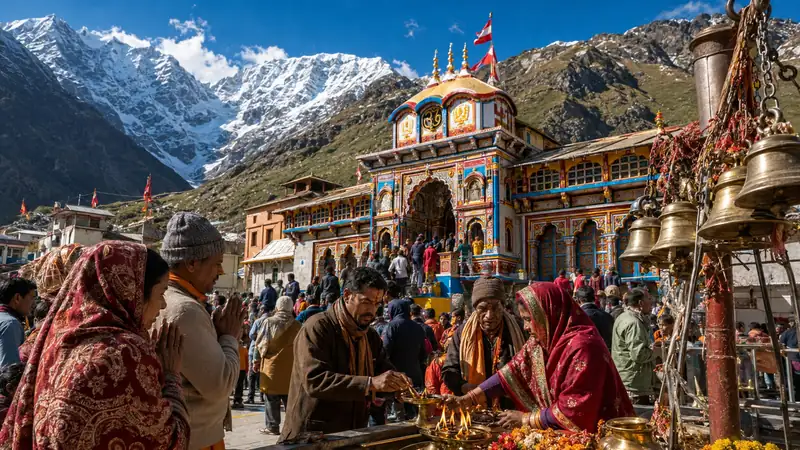 Travel Guide
Culture Of Badrinath
Practical information related to culture of badrinath, with planning points that can help travellers prepare for Badrinath Tour Packages.
Read Article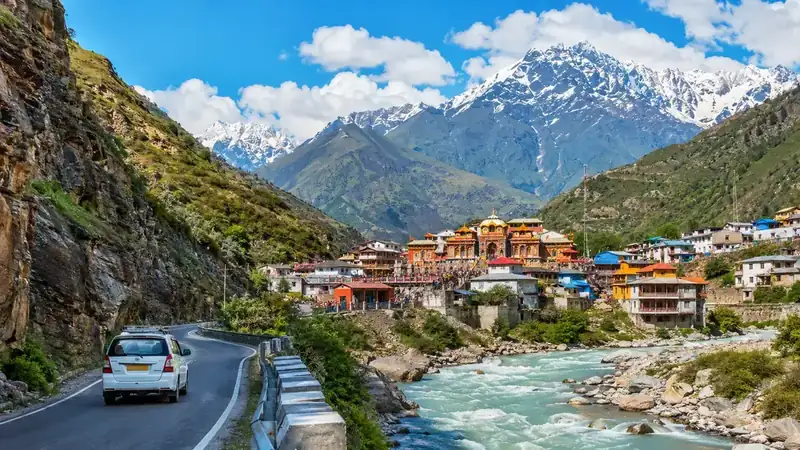 Travel Guide
How To Reach Badrinath
Practical information related to how to reach badrinath, with planning points that can help travellers prepare for Badrinath Tour Packages.
Read Article Travel Guide
Places To Visit In Badrinath
Practical information related to places to visit in badrinath, with planning points that can help travellers prepare for Badrinath Tour Packages.
Read Article


Frequently Asked Questions
Helpful answers for planning Badrinath Yatra Package from Bangalore
How long does Badrinath Yatra from Bangalore take?
Ans: A complete Badrinath Yatra from package Bangalore takes 7-10 days. This includes the Bangalore to Dehradun flight, road journey through Rishikesh and Joshimath, temple Darshan, and return journey. Adding 2 extra days for Mana Village, Brahma Kapal, and a Joshimath acclimatization night is recommended.
Is Badrinath safe for elderly people?
Ans: Yes. Badrinath temple is fully road-accessible - there is no trekking involved. Vehicles reach Badrinath town and the temple is a short walk from the road. However, the altitude (3,133 m) means thinner air; elderly pilgrims should consult a doctor before travel, carry a pulse oximeter, and plan for an acclimatization night in Joshimath. Helicopter service is available from Dehradun for those who want to minimize road travel.
Is Yatra registration mandatory for Badrinath 2026?
Ans: Yes. Aadhaar-linked online registration at registrationandtouristcare.uk.gov.in is mandatory for all pilgrims. You will receive a URN which is checked at highway checkpoints. Registration is free and takes approximately 5 minutes online. Do it before leaving Bangalore.
What warm clothes should I pack for Badrinath?
Ans: Pack thermal inners, a fleece mid-layer, a windproof outer jacket, woolen socks, and a light cap. Even in May and June, mornings and nights at Badrinath (3,133 m) drop to 4-10°C. Also carry a compact rain poncho - mountain weather changes without warning.
Are there places to eat near Badrinath temple?
Ans: Yes. Several small dhabas and food stalls operate in Badrinath town, serving simple vegetarian meals - dal, rice, roti, sabzi. Non-vegetarian food and alcohol are strictly prohibited in and around the temple area. Prices are reasonable during the pilgrimage season.
Are mobile phones allowed inside Badrinath temple?
Ans: Smartphones, cameras, and recording devices are not permitted inside the main prayer hall. You can photograph the temple exterior and the Neelkanth Peak behind it from the courtyard.
What is the best time to visit Badrinath from Bangalore?
Ans: May-June and September-October are the best months. May-June offers clear skies and full infrastructure. September-October is less crowded, cheaper, and post-monsoon views of Neelkanth Peak are the clearest of the year. Avoid July-August due to landslide risk on NH-58.
How do I travel from Haridwar or Rishikesh to Badrinath?
Ans: From Haridwar or Rishikesh, hire a private taxi or board a state bus to Joshimath (approximately 250 km, 8-9 hours). From Joshimath, Badrinath is a further 45 km by road - approximately 1.5 hours. The total distance from Rishikesh to Badrinath is approximately 295 km, taking 9-10 hours.
Can I do a helicopter tour to Badrinath from Bangalore?
Ans: Yes. Fly Bangalore to Dehradun (Jolly Grant Airport), then take a helicopter from Sahastradhara Heliport in Dehradun to Badrinath as part of a Char Dham helicopter package. Packages including all four dhams cost approximately ₹1.20-₹1.80 lakh per person. Contact Namaste India Trip for 2026 availability.
How much cash should I carry for the Badrinath Yatra?
Ans: Carry a minimum ₹5,000-₹8,000 in ₹500 and ₹100 notes from Rishikesh or Joshimath. ATMs exist in Badrinath town but are frequently low on cash during peak season. UPI works inconsistently above Joshimath. Darshan pujas (₹500-₹3,000) and prasad items require cash at the temple.