

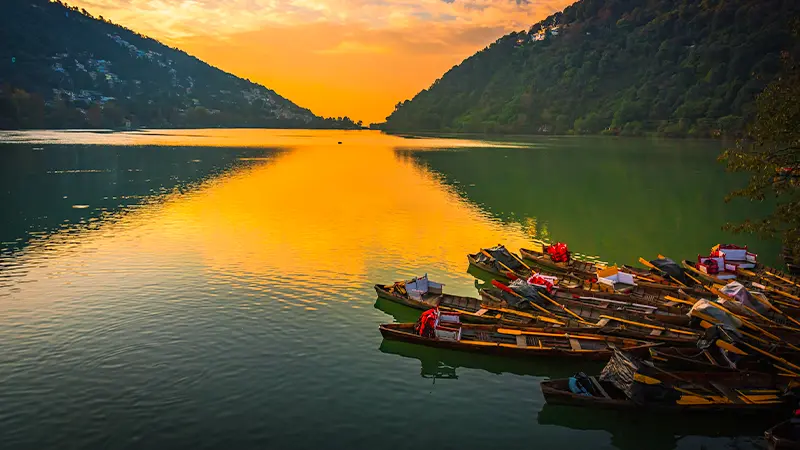
Very little information is available about the history of Nainital but many interesting myths and tales contribute to the history of Nainital. Long ago, in ancient times, Nainital was known as Khasdesh. Which was ruled by Khasis. There used to be 60 lakes in Nainital that captivated the hearts of people with its mystical charm. According to the legends, the famous Nainital finds mention in Skanda Purana as Tri Rishi Sarovar, the lake of the three sages- Atri, Pulastya, and Pulaha. During their pilgrimage, there was no water there. So, they meditated on the sacred lake of Tibet named Mansarovar Lake and dug a hole there. With the power of their Tapasya, they siphoned the water of the sacred Mansarovar Lake into the hole. The hole was soon filled with water, creating the enchanting Naini Lake.
Another tale unfolded when King Dasharatha organized a grand Yajna but excluded his daughter Sati and her husband Lord Shiva to insult them. Fuming with rage, Sati crashed the Yajna and leaped into the sacred flames to end her life. Lord Shiva in anger and grief, retrieved the dead body of Devi Sati and started Tandav. Shiva’s anger caused huge destruction. To stop further destruction, Lord Vishnu cut Sati’s body into 51 pieces with his chakra, scattering them across the land. The places where the body parts fell became Shakti Peethas. The eyes of Devi Sati fell at the spot where the Naini Lake is situated which is the reason behind its name, Nainital. The temple of Naina Devi is dedicated to Devi Sati. She is worshipped in the form of two pairs of eyes. Devotees from all over the world come to the temple to seek divine blessings.
Discovery of Nainital by Britishers
Nainital’s tale took an unexpected turn when two foreigners, Mr Trail and Mr P. Barron stumbled upon the tranquil beauty of Nainital. In 1832, being a commissioner of the Kumaon and Garhwal districts, Mr. Trail didn’t believe that he found a mind-boggling site full of natural beauty and serene lakes. He kept the place hidden to protect it from those who would harm Mother Nature. He also feared that people would never understand the local culture of the residents of Nainital.
In 1839, Mr. P Barron came to Nainital by mistake. In Nainital, he could already see the money-making potential by making it a tourist spot. So he started colonizing the land of Nainital and developed it. Despite a local villager claiming ownership of the lake, Barron’s cunning tactics enabled him to secure the land. He built a Pilgrim Lodge that stands to this day.
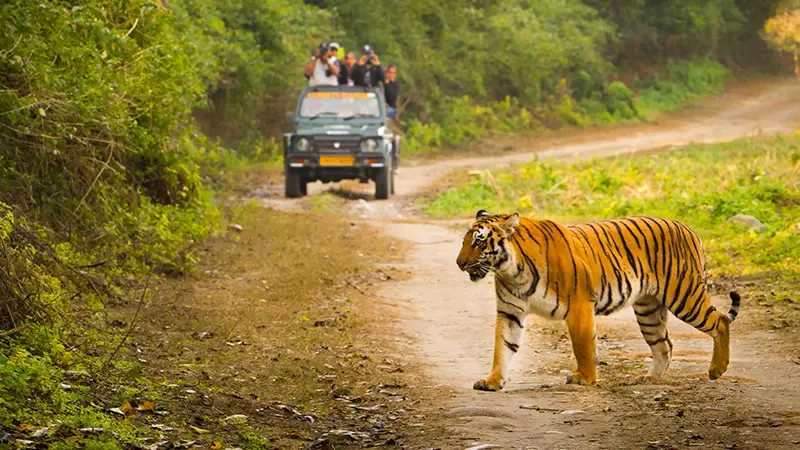
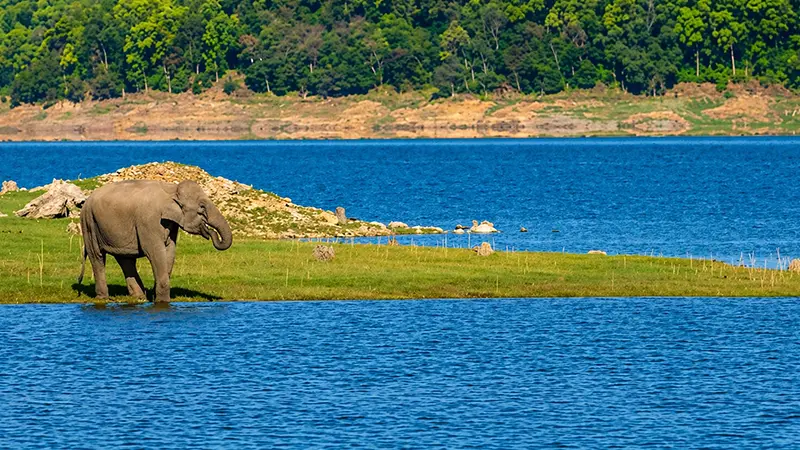
Soon, Nainital blossomed into a colonial hub. A renowned hunter and environmentalist named Jim Corbett was moved by the plight of wild animals losing their homes to colonization. His heart urged him to protect the declining population of Royal Bengal Tigers, leading to the establishment of a Natural reserve in 1975, aptly named Jim Corbett National Park by the government of India.
Effect of Britishers in Nainital
Edwardian and Victorian eras influenced the town with European culture. Britishers started building schools for the education of their children. The need for governance also took shape in the form of Nainital Municipal Corporation in 1850.
Beneath the surface, a stark divide between Indians and Britishers lingered. They hired them to work as laborers and for other services. In 1925, British civilians were bestowed with subsidies of tickets to go to England for vacations.
The hills of Nainital, once dominated by foreigners, were freed from the clutches of the Britishers and started settling in their own country. By 1947, the year of Independence, the British population had dwindled to near extinction. Indians reclaimed their freedom and home.
Modern Nainital
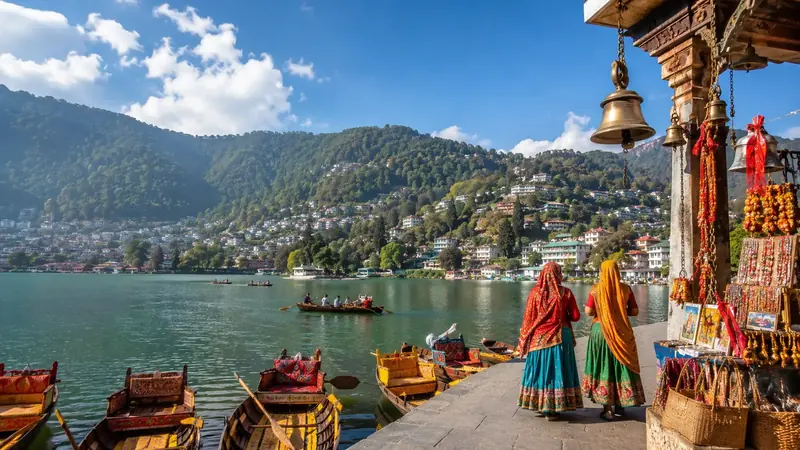
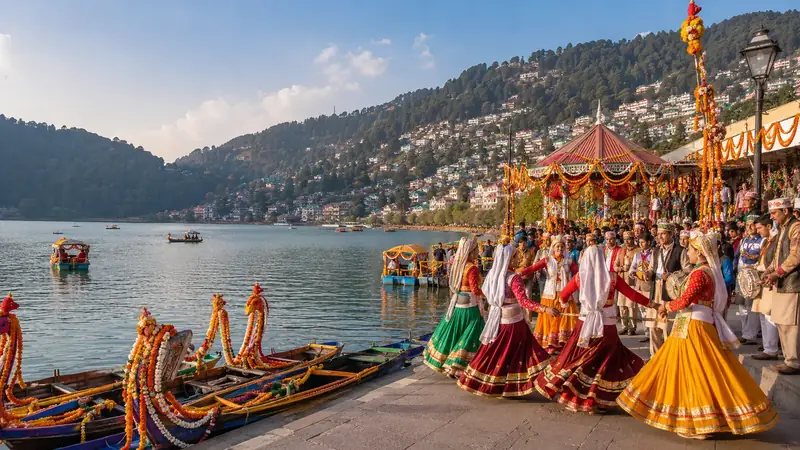
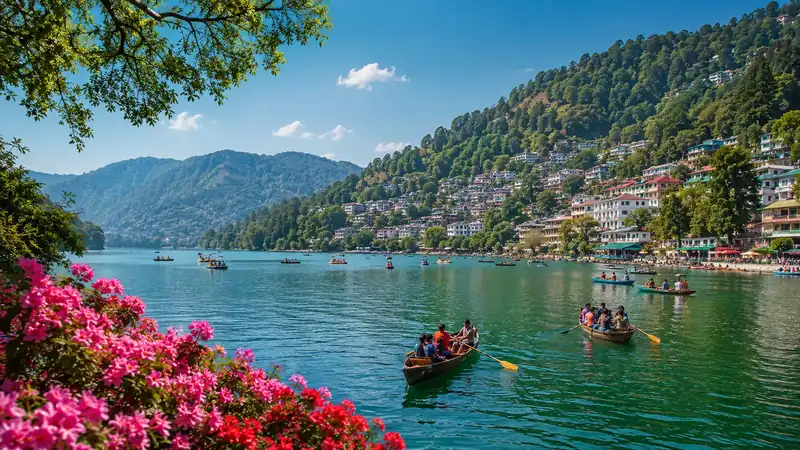
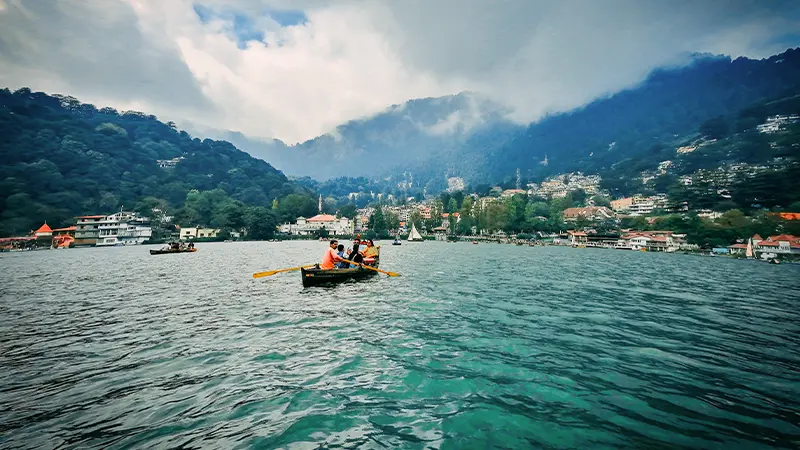
Today, Nainital stands still in pride, carrying all the echoes of the past and the vibrant present. The city, with its lake-side charm and mesmerizing views, has become a magnet for tourists seeking escape from the chaos of urban life. The city is thriving with rich culture and heritage attractions, welcoming people from all over the world. It has been embracing change while preserving the timeless beauty that defines this mind-boggling Himalayan jewel.
Compare relevant packages and request a customised travel plan from the Namaste India Trip team.



Share your experience, ask a question, or leave useful tips for other travelers.