

- Best Places To Visit In Ayodhya Overview
- At a Glance
- 1. Ayodhya Ram Mandir (Ram Janmabhoomi)
- Famous Places to Visit in Ayodhya
- Best Time to Visit Ayodhya
- How to Reach Ayodhya
- Ayodhya One Day Itinerary – Places to Visit in Order
- What Are the Best Places to Visit in Ayodhya?
- Ayodhya Temple Timings and Entry Fees
- Distance Between Major Attractions in Ayodhya
- Ayodhya Ram Mandir – 2026 Visitor Guidelines
- Who Should Visit Which Places in Ayodhya?
- Free Places to Visit in Ayodhya
- Conclusion
- FAQs
- Related Articles
- Related Tour Packages
- About the Author
- Was This Travel Guide Helpful?
Ayodhya, the sacred city associated with the life of Lord Ram, is one of India’s most important pilgrimage destinations. Located on the banks of the holy Saryu River in Uttar Pradesh, Ayodhya attracts millions of devotees and travelers every year. The city beautifully combines spirituality, history, culture, and heritage, making it a must-visit destination for pilgrims and tourists alike.
Whether you’re planning a religious journey, a family vacation, or a cultural exploration, Ayodhya offers numerous attractions that showcase its rich legacy. From magnificent temples and ghats to historical landmarks and spiritual centers, there is something for everyone.
In this guide, we’ll explore the best places to visit in Ayodhya and what makes each attraction special.
At a Glance
| # | Place | Type | Best Known For |
|---|---|---|---|
| 1 | Ram Mandir (Ram Janmabhoomi) | Temple | Birthplace of Lord Ram; inaugurated Jan 2024 |
| 2 | Hanuman Garhi | Temple | 76 steps; Hanuman’s guard post for Ram Janmabhoomi |
| 3 | Kanak Bhawan | Temple | Golden-crowned Ram-Sita idols; gift of Queen Kaikeyi |
| 4 | Ramkot | Fort/Area | Ancient elevated fortress; Ram Navami celebrations |
| 5 | Nageshwarnath Temple | Temple | Ancient Shiva temple; said to be built by Kush, son of Ram |
| 6 | Treta Ke Thakur | Temple | Black idol of Lord Ram; Ashvamedha Yajna site |
| 7 | Saryu Ghats | Ghat | Holy dip; evening Aarti; Ram ki Paidi ghat complex |
| 8 | Guptar Ghat | Ghat | Where Lord Ram is believed to have taken Jal Samadhi |
| 9 | Mani Parvat | Hill/Site | Buddhist-era stupa; panoramic views of Ayodhya |
| 10 | Tulsi Smarak Bhawan | Museum | Dedicated to Tulsidas; Ramcharitmanas manuscripts |
| 11 | Sita Ki Rasoi | Temple | Kitchen of Goddess Sita; oldest Ram-Sita temple |
| 12 | Dashrath Mahal | Palace | Believed to be the palace of King Dashrath |
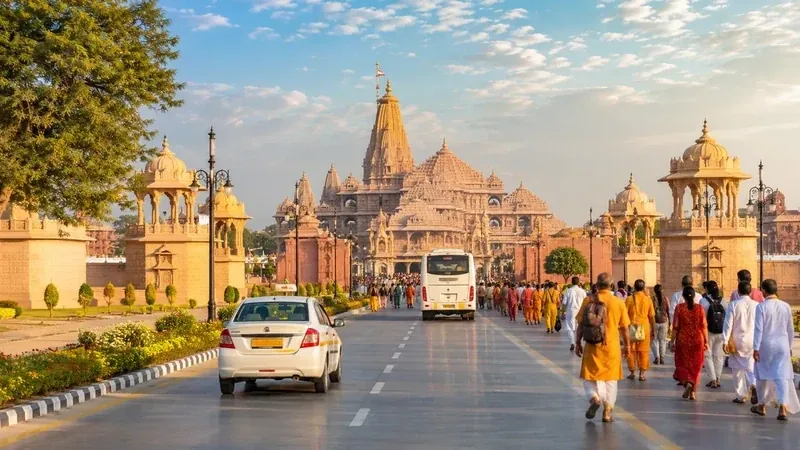
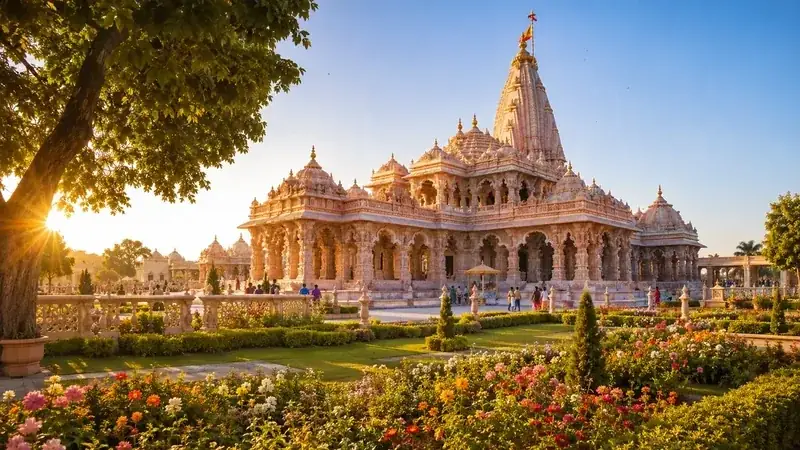
1. Ayodhya Ram Mandir (Ram Janmabhoomi)
 Ayodhya Ram Mandir (Ram Janmabhoomi) - Best Places to Visit in Ayodhya
- Grand temple dedicated to Lord Ram at the exact spot believed to be his birthplace.
- Inaugurated by Prime Minister Narendra Modi on January 22, 2024.
- Temple designed in the Nagara style; built over an area of approximately 2.7 acres.
- The main shrine houses a black idol of Ram Lalla (child Ram).
- A symbol of the deepest religious and cultural significance for Hindus worldwide.
The Ayodhya Ram Mandir is believed to be the birthplace of Ram — the seventh incarnation of Vishnu. After decades of legal dispute, the Supreme Court of India ruled in November 2019, and construction began in 2020. The temple was inaugurated on January 22, 2024 — a historic moment for millions of Hindus.
The Ram Janmabhoomi site has been a centre of faith for centuries. Ayodhya rose from Puranic and epic ages to prominence during the time of Buddha. The city is known for its temples, rituals, and the Ashvamedha Yajna performed here. The remnants of Jainism, Buddhism, and Hinduism can all be found in Ayodhya.
Being the birthplace of Ram, millions of Hindu devotees wish to visit this sacred place at least once in their lifetime to seek blessings. The Ram Mandir complex also includes temples dedicated to other deities and extensive facilities for pilgrims.
- Suggested Tour: Ayodhya Ram Mandir Tour Package from Delhi
Famous Places to Visit in Ayodhya
2. Ramkot
 Ramkot, Ayodhya
- A historic fort-like elevated area in the western part of Ayodhya.
- Associated with Lord Ram’s childhood and events from the Ramayana.
- Home to many small temples and religious sites.
- One of the most important pilgrimage spots in Ayodhya.
The most fascinating place of attraction in Ayodhya is Ramkot. It is also the chief place for worship in the city. The ancient fortress of Ramkot in Ayodhya proudly stands on elevated ground in the western part of the city. Known for its beauty, it attracts devotees from across the country and the world.
On the birth anniversary of Ram — Ram Navami, celebrated in Chaitra (March–April) — the entire city celebrates with great pomp. Enormous crowds gather at Ramkot for prayers and offerings to Lord Rama. This is considered the main hub of pilgrimage in Ayodhya.
3. Hanuman Garhi
 Hanuman Garhi, Ayodhya
- A prominent temple dedicated to Lord Hanuman in the heart of Ayodhya.
- Approached by 76 flights of steps — a unique and iconic feature.
- Hanuman is believed to have lived here to protect the Ram Janmabhoomi.
- The central shrine also holds an idol of Goddess Anjani with Bal-Hanuman on her lap.
The Hanuman Garhi is situated at the centremost location of the town. This temple has been approached by 76 flights of steps, which makes it unique. Hanuman is believed to have lived in this temple (earlier a cave) and guarded the Janmabhoomi of Ram.
The main structure of this temple is remarkably well-built with round-shaped bastions at each corner, making it the most popular shrine in Ayodhya. Most pilgrims visit Hanuman Garhi before proceeding to the Ram Mandir, following the tradition that one must first take Lord Hanuman’s blessings to receive Ram’s darshan.
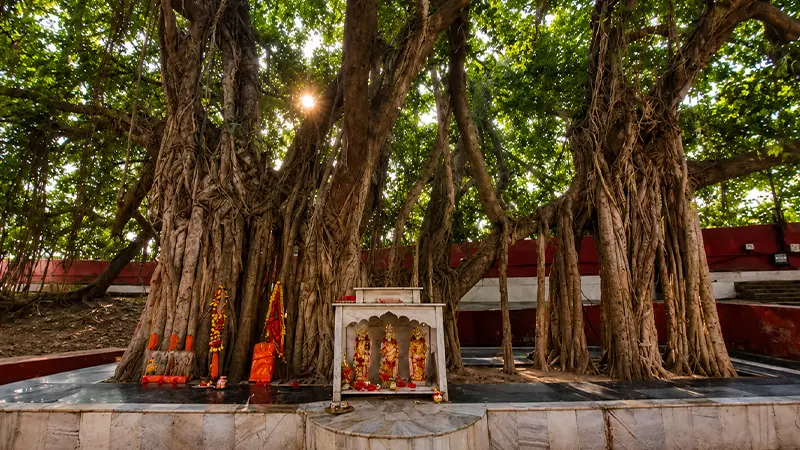
4. Nageshwarnath Temple
 Nageshwarnath Temple, Ayodhya
- Dedicated to Lord Shiva; one of the oldest temples in Ayodhya.
- Believed to have been built by Kush, son of Lord Ram.
- A significant religious site for Shiva devotees.
- Survived intact while most of ancient Ayodhya was destroyed.
Kush, one of the sons of Ram, is believed to have built this temple. According to legend, when Kush was bathing in the Sarayu River, he lost his armlet which was picked up by a Nag-Kanya (Snake Girl) who fell in love with him. As she was a devotee of Lord Shiva, Kush built this shrine for her.
Till the time of Vikramaditya, this temple survived intact while the rest of the ancient city had fallen into ruin. Because of this temple, Vikramaditya was able to locate and identify the site of Ayodhya and re-establish its shrines. Shivratri is celebrated here with immense joy and significance.
- Suggested Tour: Ayodhya Tour Packages
5. Treta Ke Thakur
 Treta Ke Thakur
- Temple dedicated to Lord Ram, Sita, Lakshman, and Hanuman.
- Believed to be the site where Lord Ram performed the Ashvamedha Yajna.
- Houses a black idol of Lord Ram — hence also called Kalaram Ji Mandir.
- Originally built ~300 years ago; later renovated by Ahilyabai Holkar of Indore in 1784.
This temple holds the memory of Ram and the Ashvamedha Yajna he performed here. The King of Kullu built this temple approximately 300 years ago, and it was later renovated by Ahilyabai Holkar of Indore in 1784. The idols were recovered from the Saryu River and placed in the new structure.
Since the idol of Ram here is black in colour, the temple is also known as Kalaram Ji Mandir. Huge scriptures on the temple walls carry messages from older times. People visit to see the unique black idol of Shri Ram and seek his blessings.
6. Kanak Bhawan
 Kanak Bhawan, Ayodhya
- A beautiful temple dedicated to Lord Ram and Goddess Sita.
- Known for the golden-crowned idols of Ram and Sita inside.
- According to legend, gifted by Queen Kaikeyi to Sita after her marriage to Ram.
- Located near Hanuman Garhi; renovated by Rani Krishna Bhanu in its present form.
Kanak Bhawan is one of the most famous temples in Ayodhya and a must-visit. The temple is exceptionally beautiful and is located close to Hanuman Garhi. The idols inside reveal Ram and Sita wearing golden crowns — the reason the temple is also called the ‘Golden House.’
According to legend, Kaikeyi (stepmother of Lord Ram) gifted this palace to Sita after her marriage. The temple has undergone various restorations over the centuries. The present structure was renovated by Rani Krishna Bhanu. The devotion and grandeur of Kanak Bhawan make it one of the most powerful pilgrimage spots in Ayodhya.
7. Saryu Ghats – Ram ki Paidi
- The sacred Saryu (Sarayu) River banks are the spiritual heart of Ayodhya.
- Ram ki Paidi is a famous ghat complex with 28 ghats on the Saryu River.
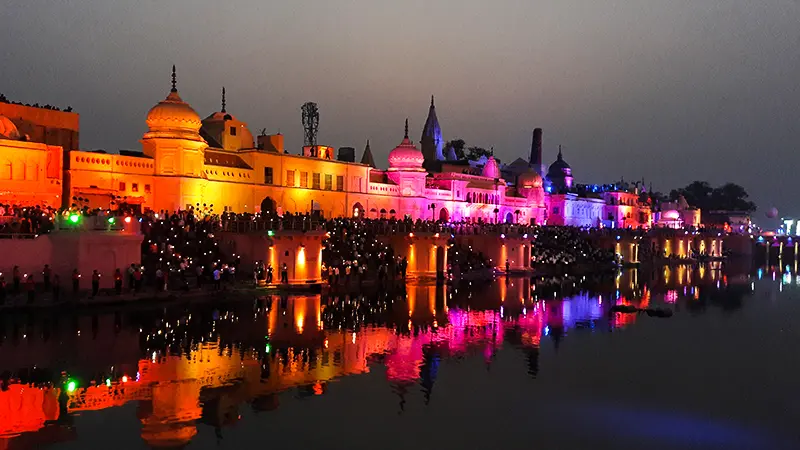
- Evening Saryu Aarti at Ram ki Paidi is a spectacular spiritual experience.
- Pilgrims take a holy dip here, believed to cleanse sins and grant moksha.
The ghats along the Saryu River are as central to Ayodhya as the Ganga ghats are to Varanasi. Ram ki Paidi is the most popular ghat complex in Ayodhya, developed in a modern, clean layout with 28 ghats. Every evening, the Saryu Aarti at Ram ki Paidi attracts thousands of devotees.
A holy dip in the Saryu River is considered one of the most meritorious acts a pilgrim can perform in Ayodhya. The river is associated directly with Lord Ram — he is said to have taken his final dip (Jal Samadhi) in the Saryu at Guptar Ghat.
8. Guptar Ghat
- One of the most sacred ghats in Ayodhya on the Saryu River.
- Believed to be the site where Lord Ram took Jal Samadhi (final immersion).
- Also features temples of Chakraborty Mandir, Sita Ram Mandir, and others.
- A quieter, more contemplative alternative to Ram ki Paidi.
Guptar Ghat is one of Ayodhya’s most sacred ghats, where Lord Ram is believed to have taken his Jal Samadhi — final departure from earth into the Saryu River.
The ghat is more peaceful than Ram ki Paidi, with several temples along its banks. Ideal for a quiet morning or sunset visit.
9. Sita Ki Rasoi
- Believed to be the kitchen of Goddess Sita — one of the oldest sacred sites in Ayodhya.
- Located near the Ram Janmabhoomi complex.
- Houses old utensils and kitchen artefacts associated with Goddess Sita.
- A deeply intimate and emotionally resonant pilgrimage spot.
Sita Ki Rasoi (Sita’s Kitchen) is a unique and deeply personal pilgrimage site in Ayodhya. It is believed to be the actual kitchen where Goddess Sita cooked meals for Lord Ram and his family. The site is revered as one of the oldest Ram-Sita shrines in Ayodhya and is maintained by temple priests. Visitors come to seek Sita Mata’s blessings.
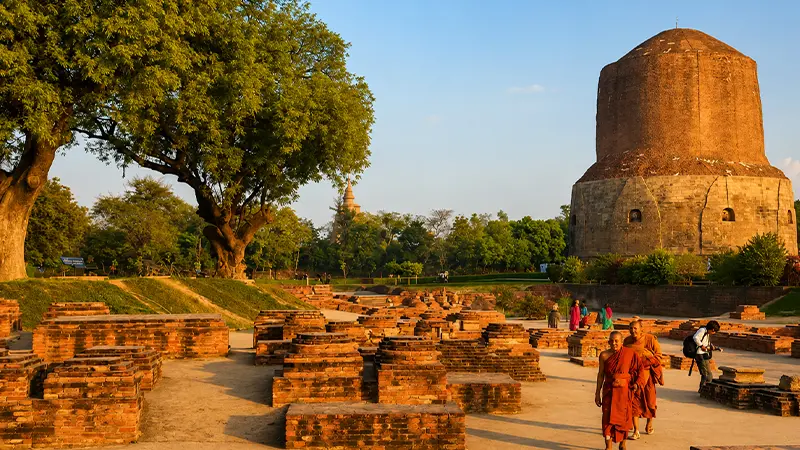
10. Mani Parvat
- A historic mound in Ayodhya with a Buddhist-era stupa and ancient remains.
- Offers panoramic views of the city and surrounding landscape.
- A peaceful, less-crowded site ideal for contemplation.
- Important for understanding Ayodhya’s multi-faith historical legacy.
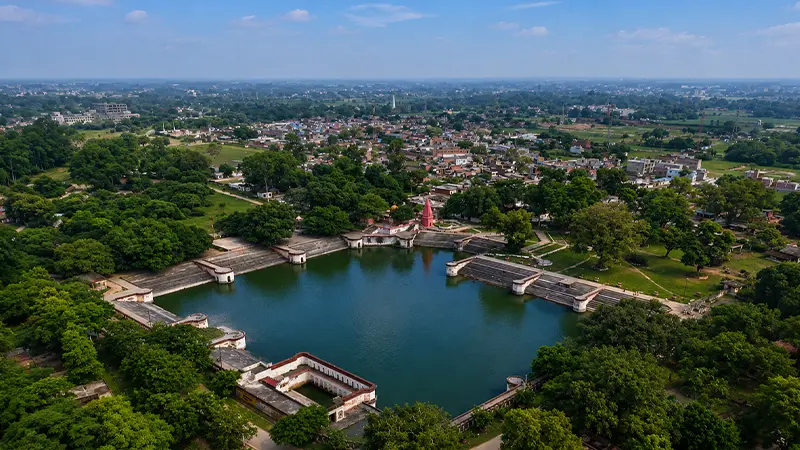
Mani Parvat is a significant historical mound in Ayodhya associated with Buddhist history. The site is believed to contain remnants of a Buddhist stupa from the era when Ayodhya was an important Buddhist center. It offers one of the best panoramic views of the city and is a quieter retreat from the busier pilgrimage sites.
11. Dashrath Mahal
- Believed to be the palace of King Dashrath — father of Lord Ram.
- Houses idols of the four sons of King Dashrath: Ram, Bharat, Lakshman, and Shatrughan.
- An important pilgrimage site for devotees.
- Located close to the Ram Janmabhoomi area.
Dashrath Mahal is believed to stand on the site of the palace of King Dashrath, father of Lord Ram. The temple complex inside the palace premises is dedicated to all four sons of Dashrath and is an important pilgrimage stop for those doing a complete Ayodhya darshan. The architecture reflects traditional style and the premises have a calm, devotional atmosphere.
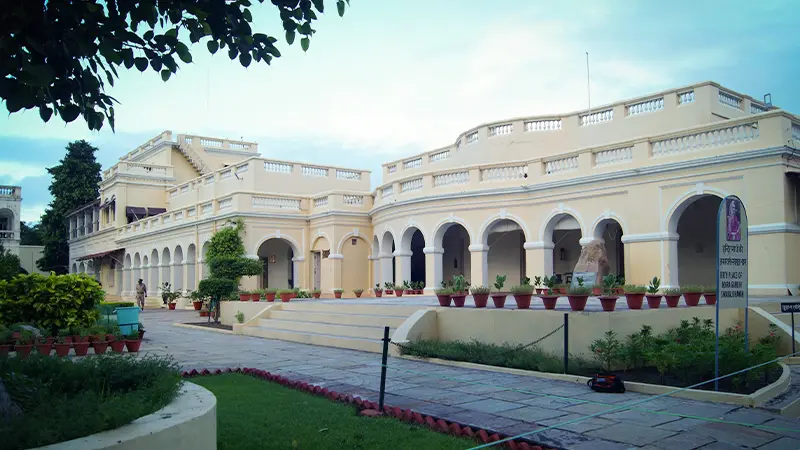
12. Tulsi Smarak Bhawan
- A cultural institution dedicated to the great saint-poet Goswami Tulsidas.
- Houses rare manuscripts, replicas, and literary collections related to the Ramcharitmanas.
- Features a library, research center, and exhibition gallery.
- One of the most important literary and devotional sites in Ayodhya.
Tulsi Smarak Bhawan is a cultural complex dedicated to Goswami Tulsidas, the 16th-century saint-poet who wrote the Ramcharitmanas — the beloved Hindi retelling of the Ramayana. The centre houses rare manuscripts, replicas and literary collections related to Ramcharitmanas, and hosts regular cultural programs. For devotees who follow the Ramcharitmanas tradition, this is a deeply meaningful stop on their Ayodhya pilgrimage.
Best Time to Visit Ayodhya
The best time to visit Ayodhya is between October and March. Winter season is ideal, with temperatures between 10–25°C, making outdoor darshan and ghat visits comfortable.
- October – March: Best time. Pleasant weather. Ram Vivah Panchami (November), Dev Deepavali, and Makar Sankranti are special occasions.
- Ram Navami (March–April): The biggest annual festival in Ayodhya. Massive crowds. Book accommodation months in advance.
- July – September (Monsoon): Heavy rainfall. Not recommended. Roads can be wet and crowded.
- April – June (Summer): Temperature can rise to 47°C. Extremely hot and humid. Avoid if possible.
How to Reach Ayodhya
- By Air: Maharshi Valmiki International Airport (Ayodhya) is approximately 5 km from the city centre. Flights from Delhi, Mumbai, and other major cities. Lucknow Airport (LKO) is approximately 140 km away as an alternative.
- By Train: Ayodhya has two main railway stations: Ayodhya Cantt (formerly Ayodhya Junction) and Ayodhya Cantt (former Faizabad Junction was renamed). Trains connect Ayodhya to Delhi (Vande Bharat ~6–8 hrs), Lucknow (~2 hrs), Varanasi (~3–4 hrs), and other major cities.
- By Road: National Highway 330 and several state highways connect Ayodhya. Bus services from Lucknow (~2.5 hrs), Varanasi (~5 hrs), Prayagraj (~3 hrs), and Delhi (~8–10 hrs). Taxis and cabs widely available.
Ayodhya One Day Itinerary – Places to Visit in Order
| Time | Place | What to Do |
|---|---|---|
| 5:30–6:30 AM | Saryu Ghat / Ram ki Paidi | Holy dip at sunrise; morning atmosphere |
| 6:30–8:00 AM | Hanuman Garhi | 76-step temple; take Hanuman’s blessings first |
| 8:00–9:30 AM | Ram Mandir (Ram Janmabhoomi) | Main darshan; early morning is less crowded |
| 9:30–10:30 AM | Kanak Bhawan | Golden-crowned Ram-Sita idols; very close to Ram Mandir |
| 10:30–11:30 AM | Dashrath Mahal + Sita Ki Rasoi | Short visit; historic palace and Sita’s kitchen |
| 12:00–1:00 PM | Lunch break | Local prasad or Ayodhya restaurant |
| 1:30–2:30 PM | Treta Ke Thakur | Black idol of Lord Ram; Ashvamedha Yajna site |
| 2:30–3:30 PM | Nageshwarnath Temple + Ramkot | Ancient Shiva temple; elevated fort area |
| 4:00–5:00 PM | Guptar Ghat | Serene ghat; sunset views of Saryu |
| 6:30–7:30 PM | Ram ki Paidi Evening Aarti | Evening Saryu Aarti; spiritual highlight |
What Are the Best Places to Visit in Ayodhya?
Quick Answer: The best places to visit in Ayodhya are: Ram Mandir (Ram Janmabhoomi), Hanuman Garhi, Kanak Bhawan, Ramkot, Ram ki Paidi (Saryu Ghats), Guptar Ghat, Sita Ki Rasoi, Treta Ke Thakur, Nageshwarnath Temple, Dashrath Mahal, Mani Parvat, and Tulsi Smarak Bhawan. Most are free to enter and within walking distance of the Ram Mandir.
Ayodhya Temple Timings and Entry Fees
Note: All timings and fees are subject to change. Verify current timings directly with the temple administration or UP Tourism before visiting. Ram Mandir online darshan pass available at sriramjanmbhoomi.in.
| Place | Timings | Entry Fee | Avg. Visit |
|---|---|---|---|
| Ram Mandir (Ram Janmabhoomi) | Summer: 7 AM–1 PM & 2–8 PM | Winter: 7:30 AM–2 PM & 3–8 PM | Free | 1–2 hrs |
| Hanuman Garhi | 5 AM – 10 PM | Free | 30–45 min |
| Kanak Bhawan | 8 AM–8 PM | Free | 30 min |
| Ramkot | All day | Free | 30–45 min |
| Nageshwarnath Temple | 6 AM– 8 PM | Free | 20–30 min |
| Treta Ke Thakur | 6 AM–9 PM | Free | 20–30 min |
| Saryu Ghats / Ram ki Paidi | Open all day | Free | 1 hr |
| Guptar Ghat | Open all day | Free | 30 min |
| Sita Ki Rasoi | 7 AM–8 PM | Free | 15–20 min |
| Dashrath Mahal | 6 AM–8 PM | Free | 20–30 min |
| Mani Parvat | 7 AM–6 PM | Free | 30 min |
| Tulsi Smarak Bhawan | 10 AM–5 PM | Free | 30 min |
Distance Between Major Attractions in Ayodhya
| From | To | Distance | Walk Time |
|---|---|---|---|
| Ram Mandir | Hanuman Garhi | ~400 m | ~5 min |
| Hanuman Garhi | Kanak Bhawan | ~300 m | ~4 min |
| Kanak Bhawan | Sita Ki Rasoi | ~200 m | ~3 min |
| Ram Mandir | Dashrath Mahal | ~600 m | ~8 min |
| Ram Mandir | Treta Ke Thakur | ~3 km | ~10 min by auto |
| Ram Mandir | Ram ki Paidi | ~1.5 km | ~5 min by auto |
| Ram ki Paidi | Guptar Ghat | ~5 km | ~10–15 min by auto |
| Ram Mandir | Nageshwarnath | ~1 km | ~12 min walk |
| Ram Mandir | Mani Parvat | ~2 km | ~8 min by auto |
| Ram Mandir | Tulsi Smarak | ~2.5 km | ~10 min by auto |
Ayodhya Ram Mandir – 2026 Visitor Guidelines
Ayodhya has seen significant infrastructure development since the Ram Mandir inauguration in January 2024. Here is what visitors should know for 2026:
- Online Darshan Pass: Online darshan booking is available at sriramjanmbhoomi.in for those who wish to avoid queues. Walk-in darshan is also available for free.
- Security guidelines: Mobile phones, cameras, and electronic devices are generally not permitted inside the Ram Mandir sanctum. Deposit at free cloak rooms at the temple entrance.
- Locker and cloak room: Free locker and cloak room facilities are available near the Ram Mandir entrance for footwear and belongings.
- Battery cars: Battery-operated shuttle cars are available inside the Ram Mandir complex for elderly, differently-abled pilgrims, and those with mobility limitations.
- Dress code: Modest and traditional attire is expected. Shorts and sleeveless tops are discouraged. Traditional Indian clothing is appropriate.
- Drone restrictions: Drone photography is strictly prohibited in and around the Ram Mandir complex and most areas of Ayodhya.
- Construction ongoing: Some sections of the Ram Mandir complex were still under construction or landscaping in 2026. Access to certain areas may be restricted. Check current status before visiting.
- Photography: Photography is not permitted inside the main Ram Mandir sanctum. External photography in open areas of the complex may be allowed — confirm at entry.
Who Should Visit Which Places in Ayodhya?
| Visitor Type | Best Places to Visit |
|---|---|
| First-time pilgrim | Ram Mandir → Hanuman Garhi → Kanak Bhawan → Ram ki Paidi Evening Aarti |
| Family with children | Ram Mandir, Ram ki Paidi (bathing ghat), Dashrath Mahal, Ramkot |
| Senior citizens | Ram Mandir (battery car available), Kanak Bhawan, Guptar Ghat (peaceful) |
| History enthusiasts | Nageshwarnath Temple, Mani Parvat, Tulsi Smarak Bhawan, Ramkot |
| Photography lovers | Ram ki Paidi at sunrise/sunset, Saryu Aarti, Kanak Bhawan, Ram Mandir exterior |
| One day visitors | Follow the one-day itinerary starting 5:30 AM |
| Evening visitors | Ram ki Paidi Saryu Aarti (6:30–7:30 PM), Guptar Ghat, illuminated Ram Mandir |
Free Places to Visit in Ayodhya
Almost all major places to visit in Ayodhya are free of cost. There is no entry fee at Ram Mandir, Hanuman Garhi, Kanak Bhawan, Ramkot, Saryu Ghats, Guptar Ghat, Sita Ki Rasoi, Nageshwarnath Temple, or Mani Parvat. Tulsi Smarak Bhawan may charge a nominal fee.
Key paid services: Special puja bookings at Ram Mandir (for specific rituals); guide services (~₹200–500 for the complete circuit); battery car inside Ram Mandir complex (nominal charge); horse/buggy rides on Bhadau Kund road.
Conclusion
Ayodhya is one of the most spiritually powerful cities in India — a place where mythology, faith, and living tradition merge in every street and temple. From the grand Ram Mandir (inaugurated January 22, 2024) to the serene ghats of the Saryu River, each of the best places to visit in Ayodhya offers a deeply moving experience.
Whether you are a first-time pilgrim or returning to seek Lord Ram’s blessings again, Ayodhya rewards every visit. Plan your trip between October and March for the most comfortable experience, and begin your darshan at Hanuman Garhi before proceeding to the Ram Janmabhoomi — following the sacred tradition of this holy city.
FAQs
What are the best places to visit in Ayodhya?
The top places to visit in Ayodhya are: Ram Mandir (Ram Janmabhoomi), Hanuman Garhi, Kanak Bhawan, Ramkot, Nageshwarnath Temple, Treta Ke Thakur, Saryu Ghats (Ram ki Paidi), Guptar Ghat, Sita Ki Rasoi, Dashrath Mahal, Mani Parvat, and Tulsi Smarak Bhawan. The Ram Mandir is the primary pilgrimage destination.
When was the Ayodhya Ram Mandir inaugurated?
The Ayodhya Ram Mandir was inaugurated on January 22, 2024, by Prime Minister Narendra Modi. The ‘Pran Pratishtha’ (consecration ceremony) was attended by dignitaries, saints, and witnessed by millions on television. Construction had begun in 2020 following the Supreme Court’s landmark judgment in November 2019.
What is the best time to visit Ayodhya?
October to March is the best time to visit Ayodhya. Winters offer pleasant weather (10–25°C) ideal for temple visits and ghat walks. Ram Navami (March–April) is the largest festival but attracts massive crowds. Avoid April–June (extreme heat up to 47°C) and July–September (heavy monsoon).
How to reach Ayodhya from Delhi?
From Delhi by train: Vande Bharat Express and other trains reach Ayodhya Junction in 6–8 hours. By road: ~8–10 hours via NH 27 or NH 30. By air: fly Delhi–Ayodhya (Maharshi Valmiki Airport, ~5 km from city centre). Alternatively, fly to Lucknow (~140 km) and drive to Ayodhya (2.5 hrs).
What is the significance of Hanuman Garhi in Ayodhya?
Hanuman Garhi is the most visited temple in Ayodhya after Ram Mandir. Lord Hanuman is believed to have lived here to protect the Ram Janmabhoomi.
Pilgrims traditionally visit Hanuman Garhi first before the Ram Mandir. The temple is approached by 76 steps and houses a beautiful idol of Goddess Anjani with Bal-Hanuman.
What is Kanak Bhawan and why is it significant?
Kanak Bhawan (‘Golden House’) is a beautiful temple dedicated to Lord Ram and Goddess Sita. According to legend, Queen Kaikeyi gifted this palace to Sita after her marriage to Ram. The idols inside are depicted wearing golden crowns. The temple is located near Hanuman Garhi and is one of the most important temples for Ram-Sita devotees in Ayodhya.
Is Nageshwarnath Temple one of the 12 Jyotirlingas?
No. Nageshwarnath Temple in Ayodhya is NOT one of the 12 Jyotirlingas. It is an ancient Shiva temple believed to have been built by Kush (son of Lord Ram). The 12 Jyotirlingas are located at different sacred sites across India including Somnath, Kashi Vishwanath, Kedarnath, and others.
What is the Saryu River and why is it sacred?
The Saryu (Sarayu) is the holy river on whose banks Ayodhya is situated, directly associated with Lord Ram. He took his final Jal Samadhi in the Saryu at Guptar Ghat.
A holy dip in the Saryu is believed to cleanse sins and grant moksha. The evening Saryu Aarti at Ram ki Paidi is one of Ayodhya’s most beautiful experiences.
How many days are needed to explore Ayodhya?
One full day is sufficient to cover the major places to visit in Ayodhya, including Ram Mandir, Hanuman Garhi, Kanak Bhawan, Ramkot, Saryu Ghats, and the evening aarti. Two days allows a more relaxed pace with time for Guptar Ghat, Tulsi Smarak Bhawan, Mani Parvat, and Sita Ki Rasoi. For a pilgrimage experience including multiple rituals, 2–3 days is ideal.
What is Ram Navami and how is it celebrated in Ayodhya?
Ram Navami is the birth anniversary of Lord Ram, celebrated on the ninth day of the Chaitra month (March–April). It is the biggest festival in Ayodhya, attracting millions of pilgrims from across India and the world. Ramkot is the main centre of celebration, with massive crowds for prayers, processions, and offerings. Book accommodation months in advance for Ram Navami.
What is Guptar Ghat in Ayodhya?
Guptar Ghat is one of Ayodhya’s most sacred ghats, where Lord Ram took Jal Samadhi — his final immersion into the Saryu when he departed earth.
The ghat has several temples along its banks. More peaceful than Ram ki Paidi. Ideal for a quiet morning or sunset visit.
What is Treta Ke Thakur temple?
Treta Ke Thakur is dedicated to Lord Ram, Sita, Lakshman, and Hanuman. It marks the site of the Ashvamedha Yajna performed by Lord Ram.
The temple houses a black idol of Ram (hence also called Kalaram Ji Mandir). Built ~300 years ago; renovated by Ahilyabai Holkar in 1784.
Which is the oldest temple in Ayodhya?
Nageshwarnath Temple is considered one of the oldest surviving temples in Ayodhya. According to legend, it was built by Kush (son of Lord Ram) and survived intact while the rest of ancient Ayodhya fell into ruin. Because of Nageshwarnath, King Vikramaditya was able to identify and re-establish Ayodhya’s sacred sites.
What is Sita Ki Rasoi in Ayodhya?
Sita Ki Rasoi (‘Sita’s Kitchen’) is a temple-shrine in Ayodhya believed to be the actual kitchen of Goddess Sita. It is one of the oldest Ram-Sita shrines and houses old utensils and kitchen artefacts associated with Sita Mata. Located near the Ram Janmabhoomi complex, it is a deeply moving and personal pilgrimage spot for devotees of Goddess Sita.
Can I visit all major Ayodhya temples in one day?
Yes, one well-planned day is enough for major temples and ghats. Start at 5:30 AM with a Saryu dip, then Hanuman Garhi, Ram Mandir, Kanak Bhawan, Dashrath Mahal, Sita Ki Rasoi, Treta Ke Thakur, and Nageshwarnath.
End with the evening Saryu Aarti at Ram ki Paidi. A local guide or auto-rickshaw makes this circuit very efficient.
What is the entry fee for Ram Mandir Ayodhya?
Entry to Ram Mandir (Ram Janmabhoomi) is completely free for all pilgrims. There is no entry fee, ticket, or darshan charge for general visitors. Online darshan passes can be booked at sriramjanmbhoomi.in to avoid queues. Special puja bookings may have charges.
Can senior citizens visit Ram Mandir Ayodhya comfortably?
Yes. The Ram Mandir complex provides battery-operated shuttle cars for senior citizens and differently-abled pilgrims. The main darshan route is accessible with minimal physical effort. The best time for seniors is weekday mornings (7–9 AM) when crowds are manageable. Guptar Ghat and Kanak Bhawan are also very accessible.
What are the Ayodhya Ram Mandir timings?
Ram Mandir general darshan timings: Summer — 7:00 AM to 1:00 PM and 2:00 PM to 8:00 PM. Winter — 7:30 AM to 2:00 PM and 3:00 PM to 8:00 PM. Timings may vary on special festival days. Always check the current schedule at sriramjanmbhoomi.in before visiting.
Which places in Ayodhya are best for evening visit?
The best places for an evening visit in Ayodhya are: Ram ki Paidi for the Saryu Aarti (6:30–7:30 PM) — a spectacular spiritual experience; the illuminated Ram Mandir exterior; and Guptar Ghat for a peaceful sunset by the Saryu River. The entire Ayodhya riverfront is beautifully lit after sunset.
Are there any hidden gems or lesser-known places to visit in Ayodhya?
Yes. Lesser-known but worth visiting: Mani Parvat (panoramic city views, Buddhist history); Sita Ki Rasoi (intimate Sita-devotion shrine); Tulsi Smarak Bhawan (literary heritage); and Bhadau Kund (a sacred kund near the Saryu). These spots have fewer crowds and offer a more contemplative experience.
Compare relevant packages and request a customised travel plan from the Namaste India Trip team.










Share your experience, ask a question, or leave useful tips for other travelers.