
India Customisable 2026 3 to 17 Days
Buddhist Pilgrimage Tour Packages
Buddhism is a religion embraced by millions across the globe. It is one of the oldest religions in the world, with origins going back over 2,500 years to the teachings of Gautam Buddha. Just like in any other religion, pilgrimage forms a very important part of Buddhism. Since the wheel of dharma was set in motion in the eastern Gangetic plains, most of the Buddhist centres are concentrated in that part of the subcontinent. Our Buddhist pilgrimage tour packages cover the most important of them.
With the growth of tourism in India, connectivity to these places has improved a great deal. Our Buddhist tour packages in India and Nepal make travel to these spiritual centres convenient. The pilgrimage runs from Lumbini to Bodh Gaya and on to Sarnath and Kushinagar, covering the sites, stupas and places related to the life and teachings of the Buddha.
At a Glance
| 4 Sacred Sites | Lumbini, Bodhgaya, Sarnath, Kushinagar |
|---|---|
| Extended Circuit | Rajgir, Nalanda, Vaishali, Sravasti |
| Duration | 5 Days / 4 Nights to 17 Days / 16 Nights |
| Price From | ₹14,500 per person (twin sharing, 5-day Ajanta Ellora tour). Buddhist circuit tours from ₹24,500 |
| Best Time | October to March for the circuit in Bihar, Uttar Pradesh and Lumbini |
| Starting Points | Delhi, Bodhgaya, Varanasi |
| Includes | Hotel, breakfast and dinner, AC vehicle, sightseeing |
Our Buddhist Tour Packages
| Package Name | Duration | Key Destinations | Price From |
|---|---|---|---|
| Buddhist Pilgrimage Tour | 8D / 7N | Bodhgaya - Rajgir - Vaishali - Kushinagar | ₹33,996 |
| Buddhist Circuit Train Tour | 11D / 10N | Delhi - Agra - Sarnath - Varanasi - Bodhgaya | ₹48,722 |
| Footsteps of Buddha Tour | 17D / 16N | Mumbai - Varanasi - Bodhgaya - Kushinagar - Lumbini - Aurangabad | ₹70,316 |
| India Nepal Buddhist Tour | 16D / 15N | Delhi - Patna - Bodhgaya - Varanasi - Lumbini | ₹71,968 |
| Buddhist Tour with Golden Triangle | 14D / 13N | Delhi - Jaipur - Agra - Bodhgaya - Varanasi | ₹60,015 |
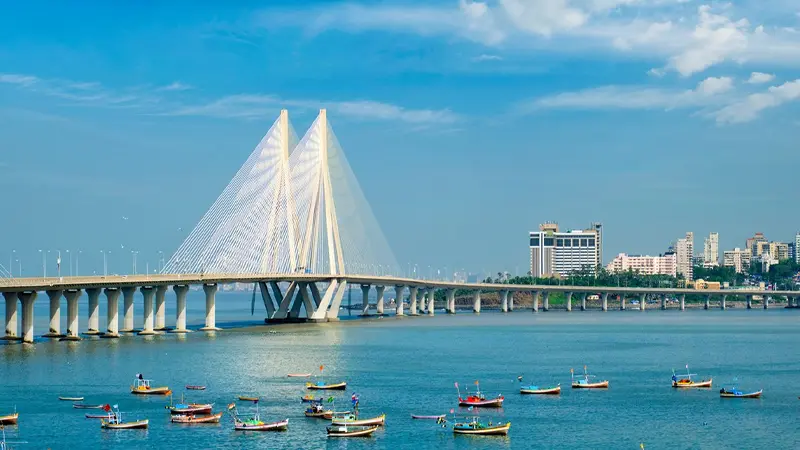
| Ajanta Ellora Buddhist Tour | 5D / 4N | Mumbai - Aurangabad - Ajanta - Ellora | ₹17,393 |
| Buddhist Sikkim Tour | 7D / 6N | Delhi - Bagdogra - Darjeeling - Gangtok | ₹26,621 |
| Buddhist Leh Ladakh Tour | 7D / 6N | Delhi - Leh - Alchi - Lamayuru | ₹29,536 |
All prices are per person on twin sharing. Packages are fully customizable: duration, hotel category and starting city can be adjusted. Contact us for group rates and single occupancy pricing.
Which Buddhist Tour Package Suits You
| If you have | Consider | What it covers |
|---|---|---|
| 5 days | Ajanta Ellora Buddhist Tour | Buddhist cave monasteries near Aurangabad |
| 7 days | Buddhist Sikkim Tour or Buddhist Leh Ladakh Tour | Himalayan monasteries. These do not cover the four sacred sites |
| 8 days | Buddhist Pilgrimage Tour | Bodhgaya, Rajgir, Vaishali and Kushinagar by road |
| 11 to 14 days | Buddhist Circuit Train Tour or Buddhist Tour with Golden Triangle | Sarnath and Bodhgaya along with Delhi and Agra, plus Jaipur on the 14-day tour |
| 16 to 17 days | India Nepal Buddhist Tour or Footsteps of Buddha Tour | The longer route including Lumbini in Nepal |
A Buddhist tour package from Delhi suits travellers arriving by international or domestic flight. If you are already in eastern India, starting from Varanasi or Bodhgaya saves a day of travel.
About Buddhism
Buddhism is one of the oldest and most widely followed religions in the world. It emerged in the Gangetic plains of northeastern India around the 5th century BC and has gained a following all over the world. From India, the teachings spread across borders to China, Korea and Japan. The Buddha taught in the language of the common people, and the earliest scriptures of the religion survive in Pali.
About Siddharth Gautam
The founder of Buddhism was Siddharth Gautam. Traditional accounts date his life to c. 563 to 483 BCE, though scholars differ on the exact years. He was born into a royal family in Lumbini (present-day Nepal).
Gautam led a privileged life because of his position and social standing. In time he felt unfulfilled by these privileges and wanted a different purpose in life. After seeing an old man, a sick person, a corpse and an ascetic, he left the royal indulgences, his wife and his child to pursue the greater meaning in life.
He gained enlightenment while meditating under a Peepal tree (Ficus religiosa) in Bodh Gaya. This sacred tree is now known as the Bodhi Tree. After this he walked across northern India spreading the teachings of dharma, beginning with his first sermon at the Deer Park in Sarnath.
Buddhist Teachings
The Four Noble Truths
The primary feature of any Buddhist teaching is the concept of four noble truths in life. These are: the truth of suffering, the truth of the cause of suffering, the truth of the end of suffering and the truth of the path that leads to the end of suffering.
To put it simply, suffering exists, it stems from somewhere and it can come to an end. The intention of talking about suffering is to offer a practical way of dealing with the world as it is.
Buddhist Pilgrimage Places
Places of Buddhist relevance mostly lie in the Indo-Gangetic Plain of Nepal and North India. These are the places where Gautam Buddha was born, lived, attained enlightenment and taught. Here are the four main Buddhist pilgrimage sites, which tradition says were named by the Buddha himself:
Lumbini, Nepal: Birthplace of Siddharth Gautam and a UNESCO World Heritage Site (1997). The Maya Devi Temple marks the birth spot. Also visit the Ashoka Pillar (249 BCE), the Bodhi Tree and the zone of international monasteries built by Buddhist communities from many countries.
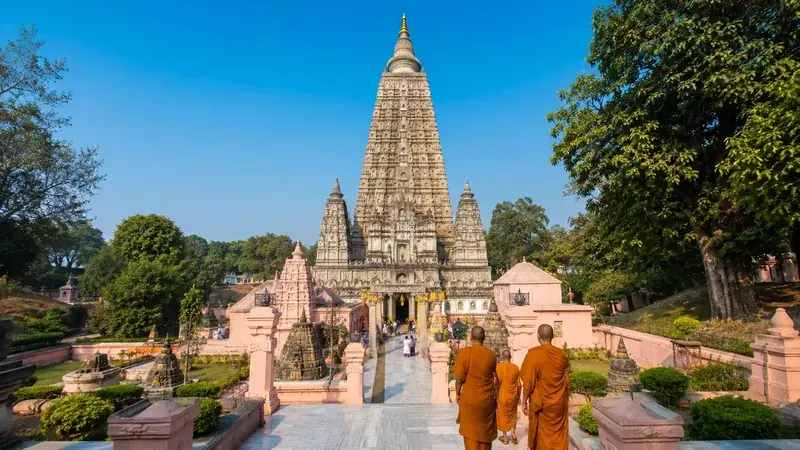
Bodh Gaya, Bihar: The most sacred site in Buddhism, where Buddha attained enlightenment under the Bodhi Tree. The Mahabodhi Temple is a UNESCO World Heritage Site (2002). Also visit the 80 feet Great Buddha Statue, Niranjana River and Sujata Temple.
Sarnath, Uttar Pradesh: Where the enlightened Buddha delivered his first sermon in the Deer Park. Located about 10 km from Varanasi, and a UNESCO World Heritage Site since 2026. Key sites: Dhamek Stupa (43.6 metres high), Chaukhandi Stupa, Mulagandha Kuti Vihar and Sarnath Archaeological Museum, which houses the original Lion Capital of Ashoka.
Kushinagar, Uttar Pradesh: Where Buddha attained Mahaparinirvana (final liberation). The Mahaparinirvana Temple houses a 6.1 metre reclining Buddha statue. The Rambhar Stupa marks the cremation site.
The extended Buddhist circuit also includes:
Rajgir, Bihar: Where Buddha spent several rainy seasons and delivered important teachings. Visit Gridhakuta (Vulture's Peak) and Shanti Stupa (Japanese Peace Pagoda, accessible by ropeway).
Nalanda, Bihar: Site of the ancient Nalanda Mahavihara, which UNESCO describes as the most ancient university of the Indian subcontinent. Buddhist scholars from across Asia came here to study. UNESCO World Heritage Site (2016).
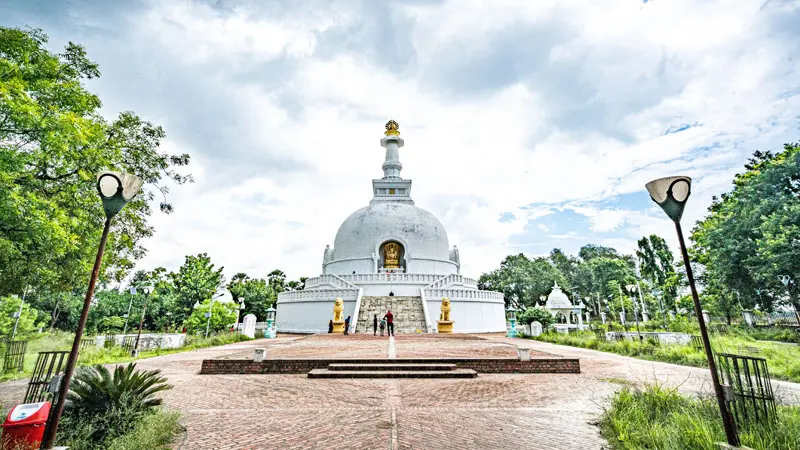
Vaishali, Bihar: Where Buddha spent his last rainy season and announced his approaching Mahaparinirvana. The Ashoka Pillar here is among the best preserved. Also visit the World Peace Pagoda and the Buddha Samyak Darshan Museum and Memorial Stupa, opened in July 2025.
Sravasti, Uttar Pradesh: Where Buddha spent about 25 rainy seasons. The Jetavana Gardens and Sahet-Mahet ruins are the main pilgrimage sites.
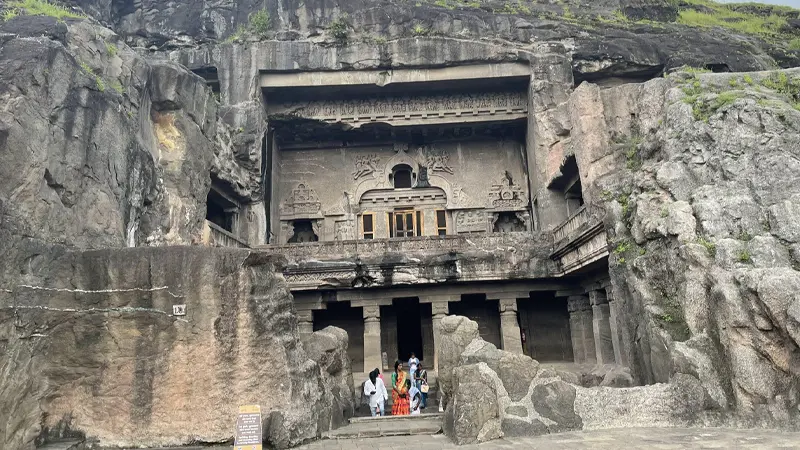
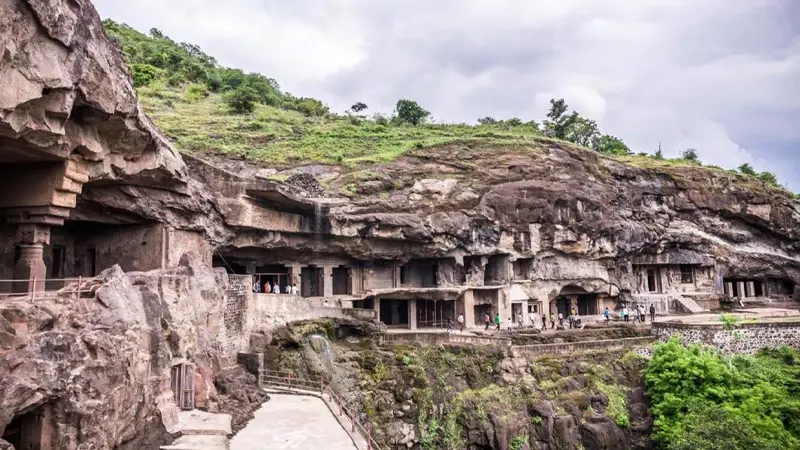
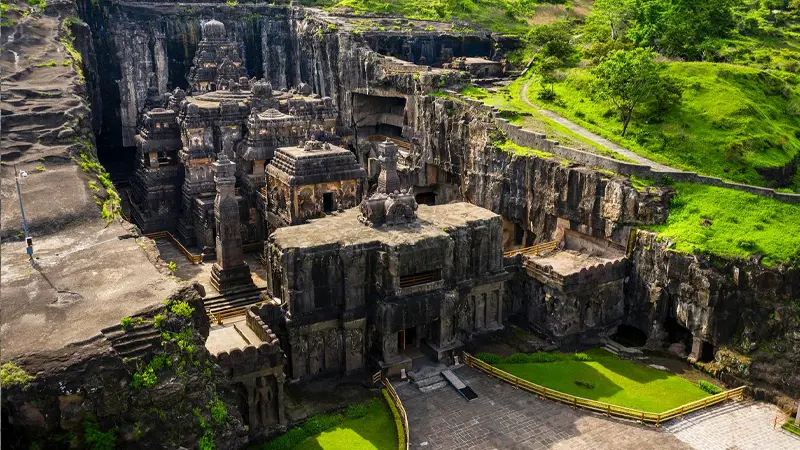
Ajanta and Ellora, Maharashtra: Rock-cut Buddhist monasteries, prayer halls and murals near Aurangabad. Both are UNESCO World Heritage Sites.
Sikkim and Darjeeling: Hill monasteries around Gangtok and Darjeeling.
Leh Ladakh: Monasteries at Alchi and Lamayuru. Leh is at about 3,500 metres. The Leh district administration requires tourists to spend at least 48 hours acclimatising in Leh before going to higher areas.
Best Time to Visit Buddhist Pilgrimage Sites
| Season | Months | Suitability |
|---|---|---|
| Winter: Best | October to March | Cool and pleasant. Ideal for the sites in Bihar, Uttar Pradesh and Lumbini. Peak season for Buddhist circuit tours. December and January mornings can be cold and foggy |
| Buddha Purnima: Most Auspicious | A full moon day in April or May (20 May 2027) | Spiritually significant, but hot and very crowded. Book 2 to 3 months in advance |
| Summer and Monsoon: Avoid if you can | April to September | Extreme heat in summer. Bihar roads are prone to flooding in the monsoon |
This table applies to the plains. Ladakh follows a different season because its winters are severe, so ask us for suitable months for the Leh Ladakh and Sikkim tours.
How to Reach the Buddhist Circuit
By Air: Fly into Gaya (GAY) for Bodhgaya, about 7 km from the airport, or Varanasi (VNS) for Sarnath. Use Patna (PAT) for Nalanda, Rajgir and Vaishali, and Gorakhpur for Kushinagar and Lumbini. Flights at Kushinagar International Airport (KBK) have been irregular, so check current airline schedules before relying on it.
By Train: Gaya Junction (for Bodhgaya, 15 to 17 km), Varanasi Junction (for Sarnath) and Gorakhpur Junction (for Kushinagar, 51 km). Kushinagar has no railway station of its own. IRCTC runs the Mahaparinirvan Express, a dedicated Buddhist Circuit Tourist Train from Delhi covering the major sites.
By Road: All Buddhist circuit sites lie within the Indo-Gangetic plains. Roads in Bihar and UP have improved significantly. Namaste India Trip provides an AC private vehicle throughout all packages.
Buddhist Circuit Route and Road Distances
Distances are approximate. Drive times change with traffic and road work. The figures for Sarnath, Bodhgaya, Vaishali, Gorakhpur and Sravasti come from district administration websites.
| From | To | Approx. distance |
|---|---|---|
| Varanasi | Sarnath | 10 km |
| Varanasi | Bodhgaya | 240 km |
| Bodhgaya | Rajgir | 78 km |
| Rajgir | Nalanda | 12 to 16 km |
| Nalanda | Patna | 90 km |
| Patna | Vaishali | 55 km |
| Vaishali | Kushinagar | 280 km |
| Kushinagar | Gorakhpur | 51 km |
| Gorakhpur | Lumbini | 125 km |
| Sravasti | Lucknow | 170 km |
Buddhist Circuit Train: Mahaparinirvan Express
The IRCTC Buddhist circuit train is a 7 night, 8 day tour that starts from Delhi Safdarjung station. It covers Bodhgaya, Rajgir and Nalanda, Varanasi and Sarnath, Lumbini, Kushinagar, Sravasti and Agra. Published 2026-27 fares for the full tour are about ₹95,000 per person in AC 2nd Class and ₹1,15,000 in AC 1st Class. IRCTC sets the fares and departure dates and sometimes runs promotional offers, so check the current fare before booking.
Why Choose Namaste India Trip for Buddhist Pilgrimage Tours
ABTO (Association of Buddhist Tour Operators) member. [TEAM: add membership number]
Ministry of Tourism, Government of India approved. ISO certified. [TEAM: add approval and certificate numbers]
Specialist Buddhist circuit packages with guides trained for the Buddhist pilgrimage route.
Nepal border crossing assistance included for packages covering Lumbini.
IRCTC affiliated. Mahaparinirvan Express (Buddhist Circuit Train) bookings arranged.
Fully customizable packages. Choose any part of the circuit, starting city and hotel tier.
Group packages with a dedicated tour manager for religious groups, universities and temple associations.
Inclusions and exclusions listed clearly for every package. 24x7 customer support.
Contact Us
| Phone / WhatsApp | +91-9711616316, 9704545558 |
|---|---|
| info@namasteindiatrip.com | |
| Website | www.namasteindiatrip.com |
| Head Office | Wz-25A, Nangli Jalib, B1 - Janakpuri, New Delhi - 110058 |
Regional Associates Offices
Head Office: Wz-25 A, Nangli Jalib, B1, Janakpuri, New Delhi 110058, India
Branch offices: Delhi, Ujjain, Hyderabad, Pune, Kashmir, Bengaluru, Dehradun
Overseas Offices: USA, Sri Lanka, Nepal
Package Inclusions and Exclusions
Package Inclusions
AC vehicle for all transfers and sightseeing throughout the circuit
Hotel accommodation on twin sharing basis (as per selected package tier)
Daily breakfast and dinner
Driver allowance, fuel, toll charges and parking fees
Pick-up and drop-off at airport or railway station
Sightseeing assistance and local support at all destinations
Package Exclusions
Airfare or train tickets (unless specified in package)
Monument entry fees and boat ride charges
Nepal visa fees and border documentation charges (for Lumbini packages)
Lunch and personal expenses
Travel insurance
Anything not mentioned in inclusions
Travel Tips for the Buddhist Circuit
For Lumbini, Indian citizens should carry a valid Indian passport or the original Voter ID card issued by the Election Commission. Do not rely on Aadhaar as a travel document for Nepal.
Dress modestly at temples and monasteries, and remove shoes before entering shrines.
Plastic bags and cups are banned inside the Mahabodhi Temple premises.
Senior travellers should ask for an itinerary that splits the longest drives over two days.
9+ Packages
3-17 Days
Oct–Mar Best Season
₹11,433 Onwards
Find Your Perfect Buddhist Pilgrimage Tours
Free cancellation Best price guarantee

5D / 4N
Mumbai → Aurangabad → Ajanta Caves → Ellora Caves → Mumbai
Ajanta Ellora Caves Tour
- Hotel
- Meals
- Transfer
- Tour
- Guide


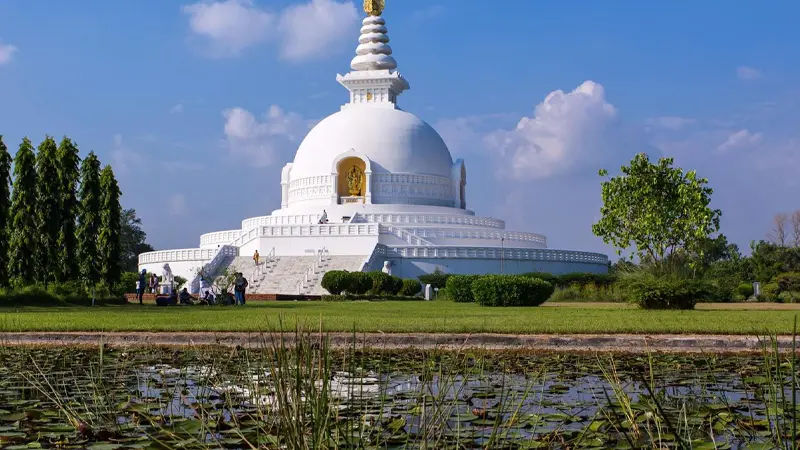

8D / 7N
Bodhgaya → Rajgir → Nalanda → Varanasi → Sarnath → Kushinagar → Lumbini
Buddhist Pilgrim Tour
- Hotel
- Meals
- Transfer
- Tour
- Guide
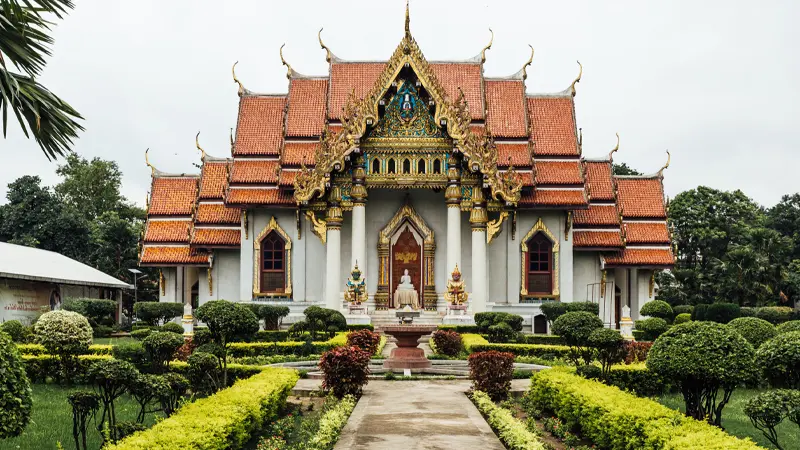

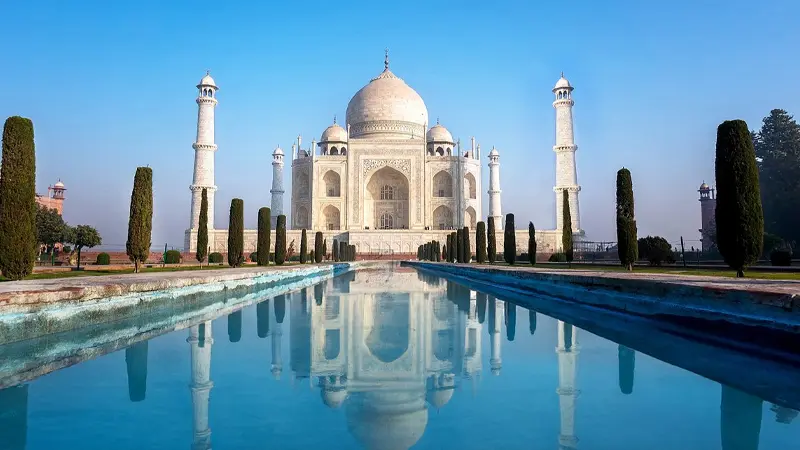


11D / 10N
Delhi → Agra → Varanasi → Sarnath → Bodhgaya → Rajgir → Nalanda → Kushinagar → Lumbini → Shravasti
Buddhist Circuit Train Tour
- Hotel
- Meals
- Transfer
- Tour
- Guide
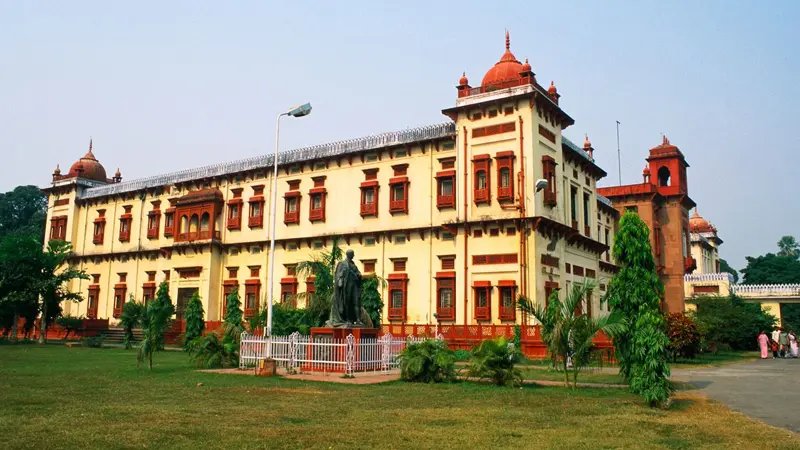
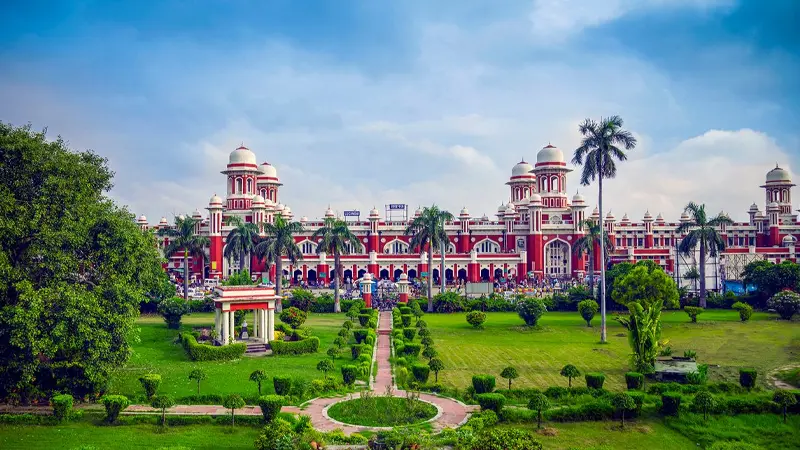
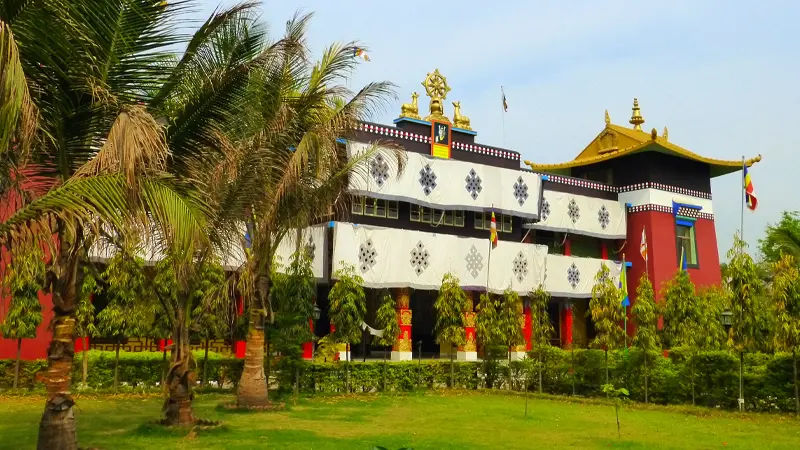


14D / 13N
Delhi → Jaipur → Agra → Varanasi → Sarnath → Bodhgaya → Rajgir → Nalanda → Kushinagar
Buddhist Tour with Golden Triangle
- Hotel
- Meals
- Transfer
- Tour
- Guide

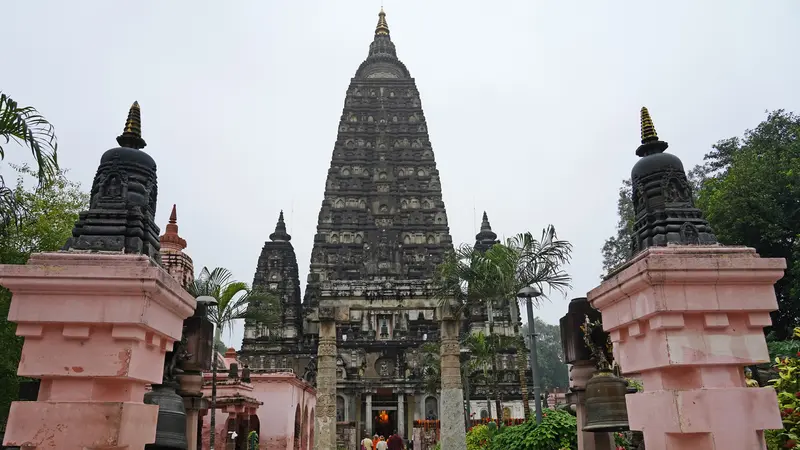


16D / 15N
Delhi → Vaishali → Rajgir → Nalanda → Bodhgaya → Varanasi → Kushinagar → Lumbini → Kathmandu
India Nepal Buddhist Tour
- Hotel
- Meals
- Transfer
- Tour
- Guide
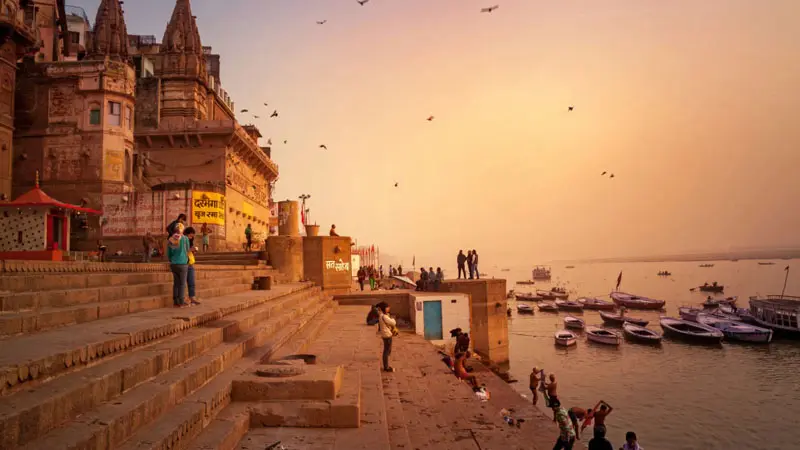



17D / 16N
Mumbai → Aurangabad → Ajanta → Ellora → Sanchi → Agra → Varanasi → Bodhgaya → Rajgir → Nalanda
Footsteps of Buddha Tour
- Hotel
- Meals
- Transfer
- Tour
- Guide
No packages match your filters
Try adjusting your filters or broadening your search criteria.
Buddhist Pilgrimage Tour Packages Travel Guides
Practical destination guides, planning tips and useful travel information
 Travel Guide
Buddhist Pilgrimage Sites in India
Explore the most important Buddhist pilgrimage sites in India, including Bodh Gaya, Sarnath, Kushinagar, Vaishali and other sacred destinations for Buddhist Pilgrimage Tour Packages.
Read Article Travel Guide
Buddhist Circuit in Bihar
Discover Bihar’s Buddhist circuit covering Bodh Gaya, Rajgir, Nalanda, Vaishali and other historically significant places connected with Lord Buddha.
Read Article Travel Guide
A Guide to Choosing the Best India Buddhist Tour Package
Learn how to choose the right Buddhist pilgrimage itinerary based on important sacred sites, duration, transport, accommodation and spiritual experiences.
Read Article Travel Guide
Best Tour Itinerary for Indian Buddhist Circuit
Follow a detailed Buddhist circuit itinerary through important monasteries, stupas and destinations associated with the life and teachings of Gautam Buddha.
Read Article Travel Guide
What is Buddhism?
Understand the history, teachings, philosophy and spiritual principles of Buddhism before visiting India’s major Buddhist pilgrimage destinations.
Read Article Travel Guide
Top 14 Most Famous Buddhist Caves in India
Explore famous Buddhist caves in India known for ancient monasteries, sculptures, paintings and architectural heritage related to the spread of Buddhism.
Read Article


Frequently Asked Questions
Practical answers about Buddhist Pilgrimage Tour Packages
What is the Buddhist pilgrimage route?
Ans: The core Buddhist pilgrimage route covers the four main sites: Lumbini (Nepal, birthplace), Bodhgaya (Bihar, enlightenment), Sarnath (Uttar Pradesh, first sermon) and Kushinagar (Uttar Pradesh, Mahaparinirvana). The extended Buddhist circuit adds Rajgir, Nalanda, Vaishali and Sravasti. Most dedicated tours start from Delhi or Bodhgaya and take 8 to 17 days depending on which sites are included.
Which is the most important Buddhist pilgrimage site?
Ans: Bodh Gaya, where Gautam Buddha attained enlightenment, is considered the holiest place for Buddhists. Lumbini, his birthplace, Sarnath and Kushinagar are the other three sacred sites.
What is the symbolism of Buddhism?
Ans: The wheel of dharma is the primary symbol of Buddhism. It represents the Buddha's first sermon at Sarnath and the path to liberation. The wheel at the centre of the national flag of India is taken from the Lion Capital of Ashoka at Sarnath.
Where is Buddha buried?
Ans: The Buddha was cremated at Kushinagar, where the Rambhar Stupa marks the cremation site. According to Buddhist texts, his relics were divided into eight portions and enshrined in stupas by the kingdoms and clans that received them, including Rajgir, Vaishali, Kapilavastu and Kushinagar.
How many days are needed for a Buddhist pilgrimage tour in India?
Ans: For the four main sites (Lumbini, Bodhgaya, Sarnath, Kushinagar), 8 to 10 days are sufficient. For the full extended Buddhist circuit including Rajgir, Nalanda, Vaishali and Sravasti, 12 to 17 days is ideal. Namaste India Trip offers packages from 5 days (Ajanta Ellora) up to 17 days (Footsteps of Buddha).
What is the cost of a Buddhist pilgrimage tour package?
Ans: Packages start from ₹14,500 per person (5-day Ajanta Ellora tour, twin sharing). The standard 8-day Buddhist Pilgrimage Tour starts from ₹24,500 per person. The 17-day Footsteps of Buddha Tour starts from ₹48,500 per person. Prices vary based on hotel category, group size and season. Contact us for a custom quote.
Is a visa required for Lumbini (Nepal)?
Ans: Indian citizens can enter Nepal without a visa. Carry a valid Indian passport or your original Voter ID card. Do not rely on Aadhaar as a travel document for Nepal. International visitors need a valid passport and a Nepal visa, available on arrival (US$30 for 15 days), and an Indian visa that allows re-entry. Namaste India Trip assists with border crossing formalities for packages that include Lumbini.
Is there a Buddhist circuit tourist train?
Ans: Yes. IRCTC runs the Mahaparinirvan Express, a dedicated Buddhist Circuit Tourist Train. The 7 night, 8 day tour starts from Delhi and covers Bodhgaya, Rajgir, Nalanda, Varanasi (for Sarnath), Lumbini, Kushinagar, Sravasti and Agra. Namaste India Trip is IRCTC affiliated and can arrange Buddhist Circuit Train tour packages.
Can non-Buddhist travellers book these packages?
Ans: Yes. The Buddhist circuit is open to everyone, including historians and heritage travellers. The route takes in four UNESCO World Heritage Sites and several living monasteries.
What is included in the Buddhist tour package?
Ans: Standard inclusions: AC vehicle for all transfers and sightseeing, hotel accommodation (twin sharing), daily breakfast and dinner, driver allowance, tolls, fuel, and airport or station pickup and drop. Exclusions: airfare or train fare, monument entry fees, Nepal border charges (if Lumbini is included), lunch and personal expenses. Customized packages may vary, so confirm at the time of booking.
Which Buddhist sites on the circuit are UNESCO World Heritage Sites?
Ans: Four: Lumbini (1997), Mahabodhi Temple at Bodh Gaya (2002), Nalanda Mahavihara (2016) and the Ancient Buddhist Site of Sarnath (2026). The Ajanta and Ellora caves are also World Heritage Sites.