

- Char Dham Overview
- Planning & Timing
- Cost & Budget
- Health & Safety
- Travel & Transport
- Accommodation
- Darshan & Rituals
- Helicopter Yatra
- Senior Citizen Concerns
- Packing & Preparation
- Emergency & Contingencies
- Long-Tail & Voice Search Questions
- Related Articles
- Related Tour Packages
- About the Author
- Was This Travel Guide Helpful?
Planning for a Char Dham Yatracan be an extremely stressful job for anyone. You will be faced with a number of questions and even if you are going through a package your other related doubts remain unanswered. We have curated a well-informed set of questions that goes through every pilgrim’s minds when they commence on their holy journey.
Planning & Timing
What is Char Dham Yatra and which temples are included?
Quick Answer:Char Dham Yatra in Uttarakhand covers four Himalayan temples: Yamunotri, Gangotri, Kedarnath, and Badrinath. The pilgrimage typically runs from April/May to October/November.
Detailed Answer:
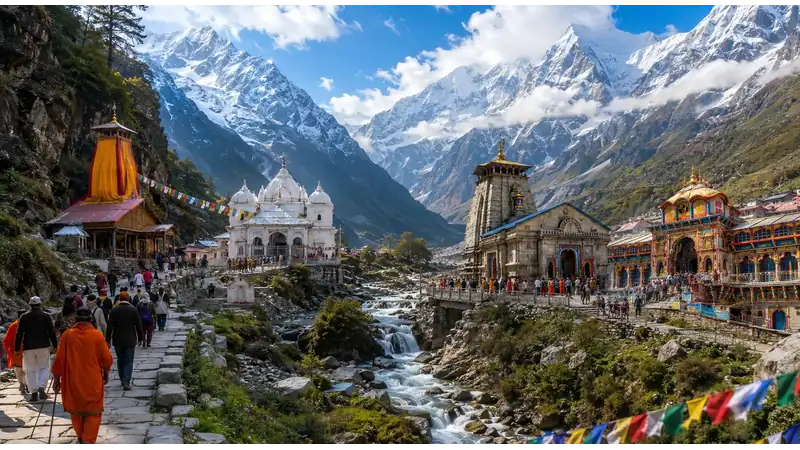
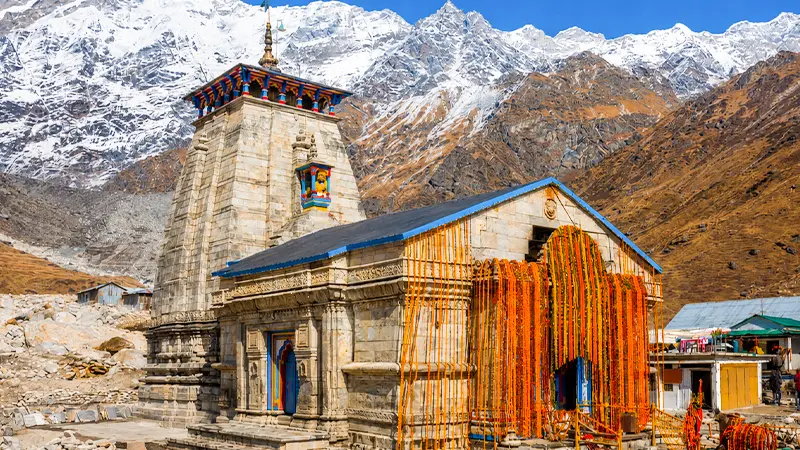
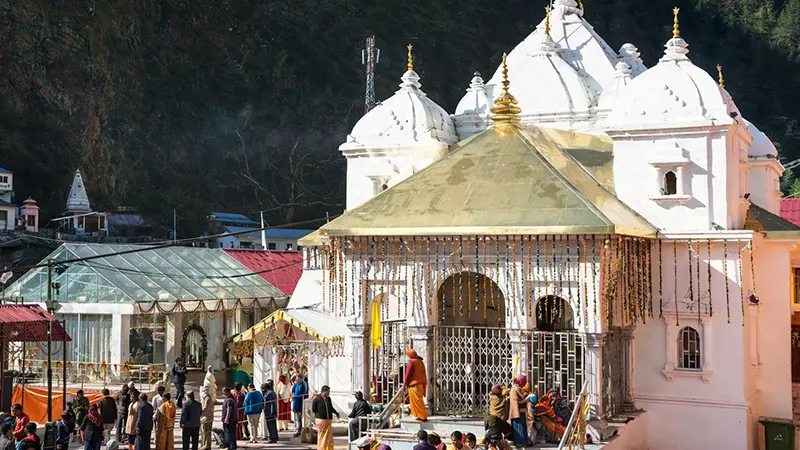
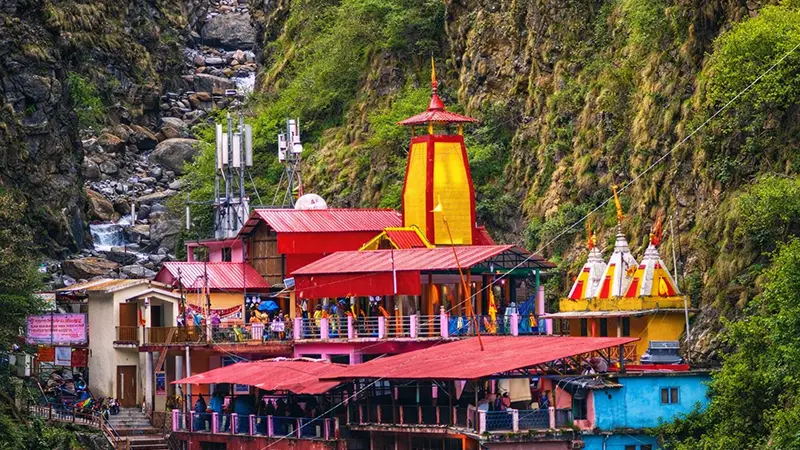
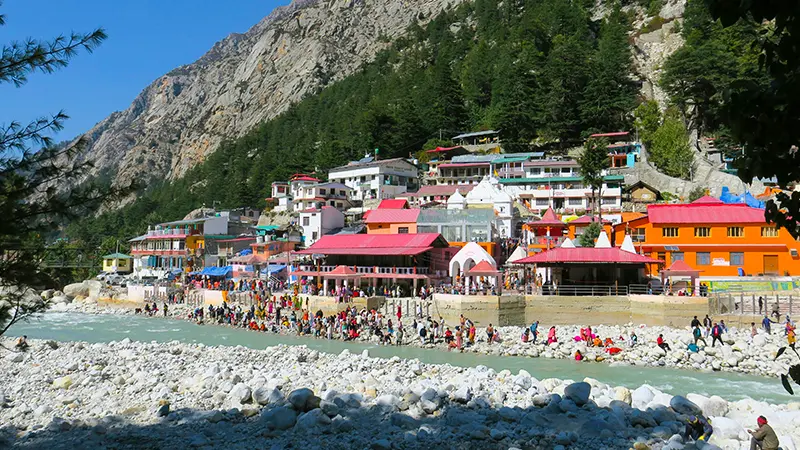
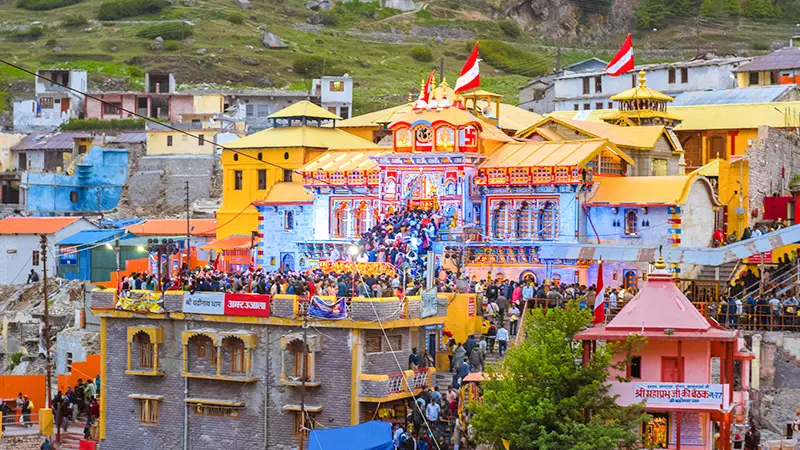
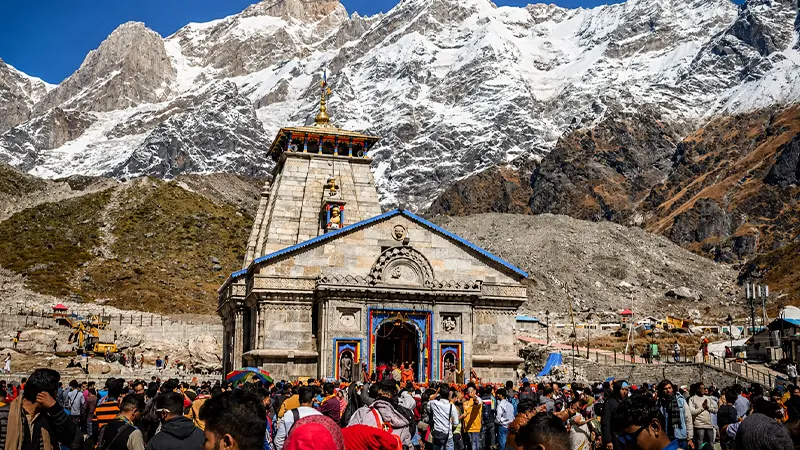
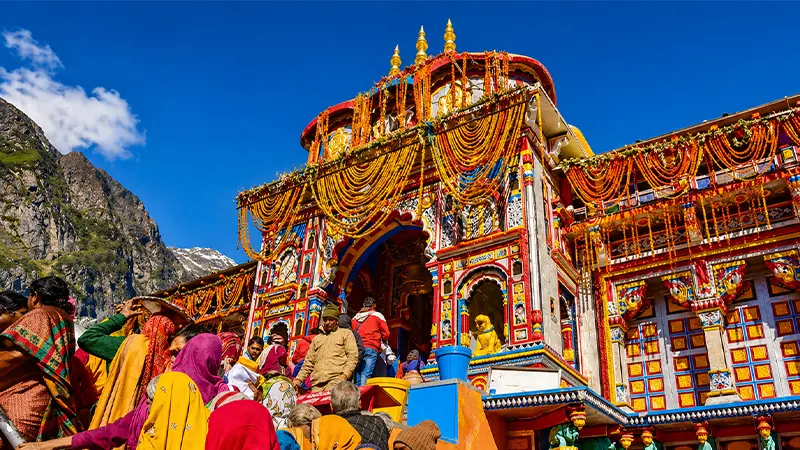
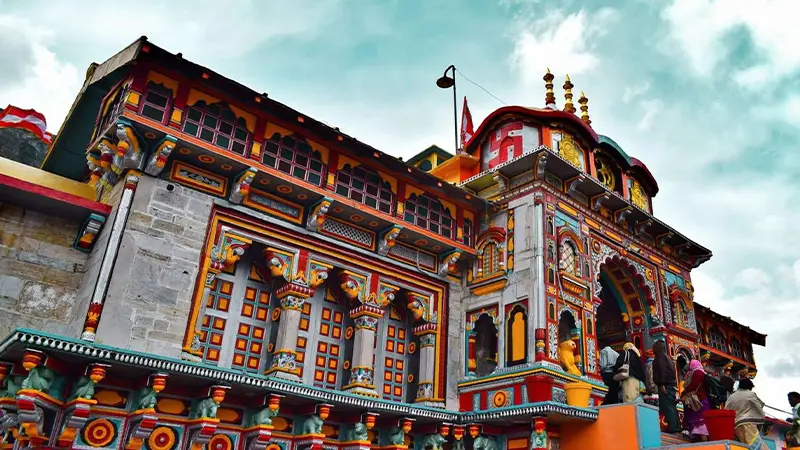
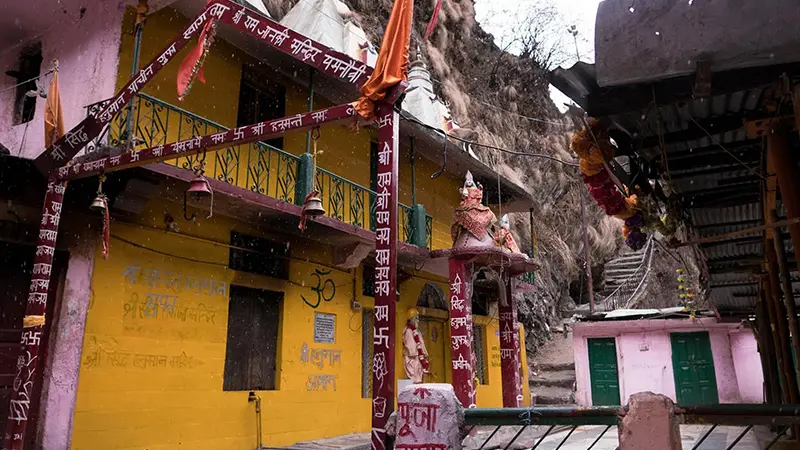
Char Dham Yatra is one of India’s most sacred Hindu pilgrimages. It includes four high-altitude shrines located in Uttarakhand: Yamunotri (source of River Yamuna), Gangotri (source of River Ganga), Kedarnath (one of the 12 Jyotirlingas), and Badrinath (dedicated to Lord Vishnu).
The traditional sequence is Yamunotri → Gangotri → Kedarnath → Badrinath. The Yatra generally opens in late April or early May (Akshaya Tritiya) and closes around October/November (Diwali period)
The entire journey takes 9–12 days by road and trek, or 6 days by helicopter.
When is the best time to do Chardham Yatra?
Quick Answer:May–June and September–October are the best months — pleasant weather, open roads, and manageable crowds. Avoid peak monsoon (July–August)
Detailed Answer:
The Chardham Yatra season runs from late April/early May to late Oct or Early November each year. May–June offers clear skies and blooming alpine meadows and fully crowded
Late June, July–August is the monsoon season when heavy rainfall causes landslides and road closures — travel is risky and helicopter services are largely suspended at Kedarnath.
September–October post-monsoon is considered the most serene and scenic time: thin crowds, crisp mountain air, and lush landscapes. Late October brings early snowfall and temple closures.
Avoid June 15–September 15 if you fear unpredictable weather.
When do the Chardham temples open and close in 2026?
Quick Answer:Yamunotri & Gangotri open on Akshaya Tritiya – Sun, 19 Apr, 2026
Kedarnath opens April 22, 2026; close after after Diwali, on Bhai Dooj,
Badrinath opens April 23, 2026. All close after Diwali (November).
Detailed Answer:
Temple opening dates are determined by Hindu almanac (Panchang)
Kedarnath date announced on Maha Shivratri
Badrinath date announced on Basant Panchami (Badrinath).
Closing dates fall in late October–early November around Diwali and Bhai Dooj. After closing, the deities are ceremonially moved to their winter abodes — Kedarnath’s idol goes to Omkareshwar Temple in Ukhimath, and Gangotri’s deity to Mukhba Village. These winter Darshan locations remain accessible year-round. Note: Dates may shift based on astronomical calculations
How many days does Chardham Yatra take?
Quick Answer:A complete road-based Chardham Yatra takes 10–12 days from Haridwar; by helicopter it can be done in 5–6 days.
| Route or Destinations | Minimum Days required |
|---|---|
| Char Dham Yatra form Delhi | 11 Days/ 10 Nights |
| Do Dham(Badrinath +Kedarnath) from Delhi | 07 Days/ 06 Nights |
| Badrinath from Delhi | 05 Days/ 04 Nights |
| Kedarnath From Delhi | 05 Days/ 04 Nights |
| 3 Dham(Gangotri+Kedarnath +Badrinath form Delhi | 09 Days/ 08 Nights |
| 2 Dham – (Gangotri & Kedarnath) from Delhi | 7 Days / 6 Nights |
| 2 Dham – Gangotri & Badrinath – Delhi | 8 Days / 7 Nights |
| Char Dham form Haridwar | 09 Days/ 08 Nights |
| Do Dham(Badrinath +Kedarnath) from Haridwar | 05 Days/ 04 Nights |
| Badrinath from Haridwar | 04 Days/ 03 Nights |
| Kedarnath From Haridwar | 04 Days/ 03 Nights |
| 3 Dham(Gangotri+Kedarnath +Badrinath) from Haridwar | 07 Days/ 06 Nights |
| 2 Dham – Gangotri & Kedarnath from Haridwar | 5 Days / 4 Nights |
| 2 Dham – Gangotri & Badrinath from Haridwar | 6 Days / 5 Nights |
Is it mandatory to register for Chardham Yatra?
Yes. Registration is 100% mandatory for all four Dhams. Without a valid Yatra Pass with QR code, you have to show it at Haridwar or Rishikesh & Dehradun check point, then only you can go ahead, without this you will not be allowed to proceed further.
Official Portal: https://registrationandtouristcare.uk.gov.in | Helpline: 0135-1364 (toll-free)
What is the ideal sequence to visit the four dhams?
Quick Answer:The traditional clockwise sequence is Yamunotri → Gangotri → Kedarnath → Badrinath, believed to be spiritually auspicious.
Detailed Answer:
According to Hindu tradition and Adi Shankaracharya’s directive, the Dhams should be visited in this specific west-to-east sequence: Yamunotri (source of Yamuna), Gangotri (source of Ganga), Kedarnath (Jyotirlinga of Shiva), and Badrinath (abode of Vishnu). This sequence is also logistically optimal for road travel from Haridwar, minimizing backtracking. The Yatra ends at Badrinath, the ‘Vaikuntha of the Himalayas’, which is considered the most auspicious final stop before returning home. Some pilgrims do Badrinath–Kedarnath as a separate Do Dham Yatra if they have visited Yamunotri and Gangotri separately. Logistically, starting early from Haridwar and following the standard route through Uttarkashi and Rudraprayag ensures smoother connectivity.
Why does Chardham registration close early or fill up?
Quick Answer:Daily pilgrim caps are enforced per Dham to prevent overcrowding and safety hazards — popular dates like May-June weekends fill up within hours of opening.
Detailed Answer:
The Uttarakhand government imposes daily capacity limits at each shrine, especially Kedarnath, where the narrow trek and high altitude make crowd management critical. After the 2013 floods (which claimed thousands of lives), the state introduced strict monitoring. In peak season (late May), Kedarnath may cap entries at 10,000–12,000 pilgrims per day. Slots for popular dates can book up within hours of the registration portal opening. To secure your preferred dates: register 2–4 Months in advance, avoid June 1–15 when school vacations bring enormous crowds, consider weekday slots which are less contested,
Helicopter slots fill even faster — book 3–4 months, better to Plan your yatra with Local travel agency, so every things goes smoothly
Can foreigners or NRIs do Chardham Yatra?
Quick Answer:Yes. Foreign nationals and NRIs can do Chardham Yatra. Registration requires a valid passport; some restricted zones near the China border (like Mana village near Badrinath) may require Inner Line Permits.
Detailed Answer:
Foreign nationals and NRIs are warmly welcome on Chardham Yatra. The registration process accepts international passports as valid ID. However, the area beyond Badrinath toward the India–China border (Mana Village) is the last inhabited Indian village and has certain restrictions
What documents do I need to carry for Chardham Yatra?
Carry your Yatra Registration Pass (QR code), a valid government photo ID (Aadhaar/passport/voter ID),
Essential documents for Chardham Yatra:
(1) Yatra Registration Letter with QR code — both digital and printed copies;
(2) Valid government-issued photo ID — Aadhaar card, passport, PAN card, or voter ID;
(3) Helicopter tickets and hotel/guesthouse bookings;
Cost & Budget
What is the total cost of Chardham Yatra by road?
Quick Answer: A budget road Chardham Yatra for one person costs approximately ₹20,000–₹25,000 (10–12 days); mid-range ₹35,000–₹50,000; luxury ₹70,000–₹1,50,000+.Cost Estimate Table (Char Dham / Pilgrimage Tour Expenses)
| Expense Item | Estimated Cost (₹) | Notes |
|---|---|---|
| Accommodation (Dharamshala / Basic Guesthouses) | 500–1,200 / night | Budget stays |
| Accommodation (Mid-Range Hotels) | 2,000–6,000 / night | Uttarkashi, Guptkashi, Joshimath, Badrinath, Barkot |
| Accommodation (High-Range Hotels) | 7,000–18,000 / night | Premium / Luxury hotels |
| Meals | 300–600 / day | Dal-roti at local Dhabas |
| Trek Porter / Pony (Kedarnath) | 1,500–3,000 (one way) | Depends on availability/season |
| Doli Charges (Kedarnath) | 7,000–11,000 (one way) | Depends on weight |
| Doli Charges (Kedarnath) | 7,000–11,000 (two way) | Depends on weight |
| Puja & Donations | 500–2,000 | Temple offerings |
| Miscellaneous | 1,000–2,000 | Local expenses |
💰 Overall Trip Budget (Per Person)
| Category | Estimated Budget (₹) | Description |
|---|---|---|
| Basic DIY Budget | 15,000–25,000 | Shared transport, basic accommodation |
| Mid-Range Organized Tour | 25,000–45,000 | Standard tour package with better hotels |
| Luxury 10-Day Package | 70,000–1,50,000+ | Private car, premium hotels, VIP darshan |
What does a Chardham Yatra helicopter package cost?
Quick Answer: A complete 4-dham helicopter package (5N/6D from Dehradun) costs approximately ₹1.8–₹2.5 lakhs per person, inclusive of accommodation and VIP Darshan.🚁 Char Dham Helicopter Package Pricing (2026 Estimates)
| Tour Type | Duration | Approx. Cost (₹ / per person) | Included |
|---|---|---|---|
| Complete 4-Dham Helicopter Tour | 5N/6D | 1,80,000 – 2,50,000 | Yamunotri, Gangotri, Kedarnath, Badrinath (helicopter flights + accommodation + meals + VIP darshan + local transport) |
| Do Dham – Kedarnath + Badrinath | 2N/3D | 1,25,000 – 1,50,000 | Helicopter flights to Kedarnath & Badrinath + meals + VIP Darshan + ground support |
| Kedarnath Shuttle Only | N/A | 7,500 – 13,000 | Shuttle flight only (no full package) |
| Badrinath + Kedarnath Same Day | 1 Day | 1,20,000 – 1,40,000 | Helicopter transfers for same-day visit |
| Single Day – Kedarnath | 1 Day | 85,000 – 95,000 | Group or point-to-point round trip |
| Single Day – Badrinath | 1 Day | 85,000 – 95,000 | Group or point-to-point round trip |
Is Chardham Yatra registration free?
Quick Answer:Yes. The official Chardham Yatra registration through the Uttarakhand Government portal (registrationandtouristcare.uk.gov.in) is completely free of charge as of now, but the government might be thinking of taking charges, to avoid fake registration.
Detailed Answer:
There is no fee for the mandatory Yatra registration. The Uttarakhand Tourism Development Board (UTDB) provides this service free to all pilgrims to ensure safety and crowd management. What may cost money: VIP Darshan tokens at specific temples (₹2,500 depending on the temple), puja offerings, and priority Darshan slips at Kedarnath (approx ₹2,500 per pilgrim, paid to the Mandir Samiti). Beware of fraudulent websites or agents claiming to charge a ‘registration fee’ — these are scams. Always use the official URL: registrationandtouristcare.uk.gov.in. Some travel agents may charge a nominal service fee (₹100–₹500) for assisted registration at offline centers — this is for their service, not the registration itself.
What are the hidden or miscellaneous costs in Chardham Yatra?
Quick Answer:Hidden costs include pony/porter charges, VIP Darshan tokens, mandatory vehicle green cards.
Detailed Answer:
Costs that surprise first-time pilgrims: (1) Pony/palki/pitthoo at Yamunotri and Kedarnath — ₹1,500–₹4,000 per way depending on route and season; (2) VIP Darshan tokens — Kedarnath ₹300–₹500, priority slips at helipads ₹2,500; (3) Vehicle Green Card from Uttarakhand Transport Department for commercial vehicles (mandatory);
ATM scarcity at high altitudes — carry sufficient cash (only BSNL, Jio, Airtel networks work at Kedarnath; ATMs exist at Gaurikund, Guptkashi, Joshimath but may run dry in peak season);
(7) Weather delays — extra accommodation nights if stuck due to bad weather;
(8) Guide fees if desired ₹500–₹1,500/day.
Are there any discounts for senior citizens in Chardham Yatra?
Quick Answer:No, may be some travel agency may officer, for that you have to check with tour agency and famous operator
Health & Safety
How safe is Chardham Yatra for heart patients?
Quick Answer:Chardham Yatra is generally not recommended for those with severe or uncontrolled heart conditions due to high altitudes (up to 11,755 ft). Consult a cardiologist before planning.
Detailed Answer:
Kedarnath (3,583m / 11,755 ft), Badrinath (3,133m / 10,279 ft), and even Gangotri (3,048m / 10,000 ft) are at altitudes where oxygen levels are significantly reduced. For cardiac patients, this means: increased heart rate, reduced exercise tolerance, and risk of angina or acute cardiac events. The Uttarakhand government mandates medical screening for pilgrims at highway checkpoints.
Those with: recent angioplasty/bypass surgery (within 6 months), poorly controlled hypertension, congestive heart failure, or severe arrhythmias should avoid the trek to Kedarnath and consider helicopter Darshan only with prior medical clearance.
Mild-to-moderate cardiac conditions that are stable and well-controlled may be manageable — consult your cardiologist specifically about high-altitude travel. Carry emergency medications (nitrates, aspirin), a pulse oximeter, and ensure your tour operator has an emergency evacuation plan. Medical camps are located at Sonprayag, Gaurikund, Guptkashi, and Joshimath.
What is altitude sickness and how do I prevent it on Chardham Yatra?
Quick Answer:Altitude sickness (AMS) can occur above 2,500m — symptoms include headache, nausea, dizziness, and breathlessness. Acclimatize at Rishikesh/Haridwar for 1–2 days before ascending.
Detailed Answer:
Acute Mountain Sickness (AMS) is caused by reduced oxygen at high altitudes. All four Dhams are above 3,000m, with Kedarnath being the highest at 3,583m. Symptoms: persistent headache, loss of appetite, nausea/vomiting, fatigue, difficulty sleeping, and dizziness. Prevention strategies:
(1) Spend 1–2 nights in Rishikesh or Haridwar before beginning the Yatra;
(2) Ascend gradually — don’t rush the schedule;
(3) Stay hydrated — drink 3–4 litres of water daily;
(4) Avoid alcohol and smoking completely;
(5) Eat light, easy-to-digest food;
(6) Carry a pulse oximeter (SpO2 below 90% at altitude requires descent);
(7) Consult a doctor about Diamox (Acetazolamide) prophylaxis if advised;
(8) Carry ORS sachets, Paracetamol for headaches, and anti-nausea medication.
Severe AMS symptoms like confusion, loss of balance, or severe breathlessness require immediate descent and emergency medical attention.
Is Chardham Yatra safe for diabetics?
Quick Answer:Type 2 diabetes that is well-controlled is generally manageable on Chardham Yatra with preparation. Insulin-dependent diabetics should consult their endocrinologist specifically about high-altitude travel.
Detailed Answer:
High altitude can affect blood glucose regulation — both hypoglycaemia (from physical exertion) and hyperglycaemia are risks. For diabetic pilgrims: carry extra insulin (stored properly — not below freezing), blood glucose monitor with extra strips, fast-acting glucose tablets, and enough medication for the journey plus a 3-day buffer for delays. Inform your tour operator and travel companions about your condition. Eat regular meals — don’t skip; the sattvic vegetarian food at Dhams is generally suitable.
The physical demands of the Kedarnath trek can lower blood sugar rapidly — carry energy snacks. Helicopter Darshan is strongly recommended over trekking for those with insulin-dependent diabetes. Cold temperatures at high altitude can affect insulin potency; keep it close to your body. Free medical camps along the route can assist with glucose checks. Get a pre-travel medical evaluation and written clearance.
What should I do in a medical emergency at Kedarnath or Badrinath?
Quick Answer:Medical aid posts exist at Kedarnath near the temple, Kedarnath helipad area, Gaurikund, Phata, Guptkashi, Sonprayag, Joshimath, and Badrinath. For emergencies, call the Uttarakhand Tourism helpline: 1364 or 0135-2559898.
Detailed Answer:
Emergency infrastructure along the Chardham route: Kedarnath — first aid post near the helipad; medical camp at Kedarnath, Sonprayag and Gaurikund; Rudraprayag District Hospital is 30km from Guptkashi. Badrinath — primary health center in Badrinath town; Chamoli District Hospital at Gopeshwar. Gangotri/Yamunotri — nearest hospitals at Uttarkashi and Barkot respectively. In life-threatening situations, helicopter evacuation can be arranged — this is chargeable (approximately ₹1,60,000/hour + government charges).
Emergency contacts: Tourism Helpline: 1364 | Police: 112 | SDRF (State Disaster Response Force): 9454418500. Always carry a printed emergency contact card. Informing your accommodation about your health status is recommended. BSNL/JIO/Airtel networks work at Kedarnath — save important numbers before entering poor-signal zones.
Is the Kedarnath trek dangerous? What is the trekking difficulty level?
Quick Answer:The Kedarnath trek is 16–19km (one way) from Gaurikund, classified as moderate-to-difficult. It involves steep ascents, river crossings, and altitude — not suitable for those with serious health issues.
Detailed Answer:
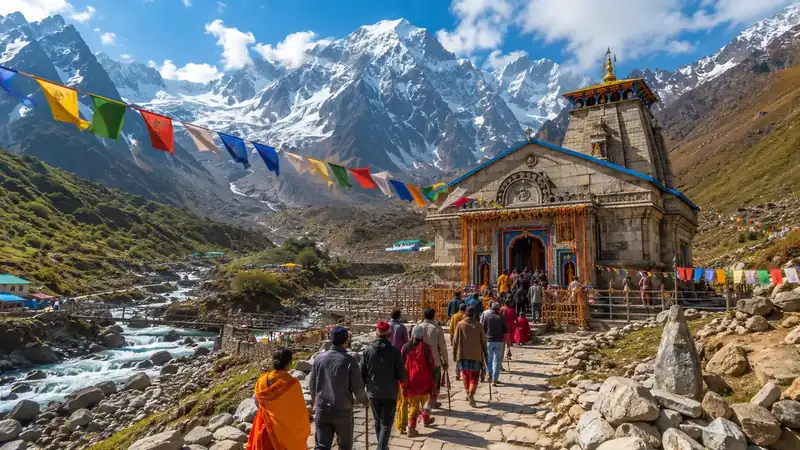
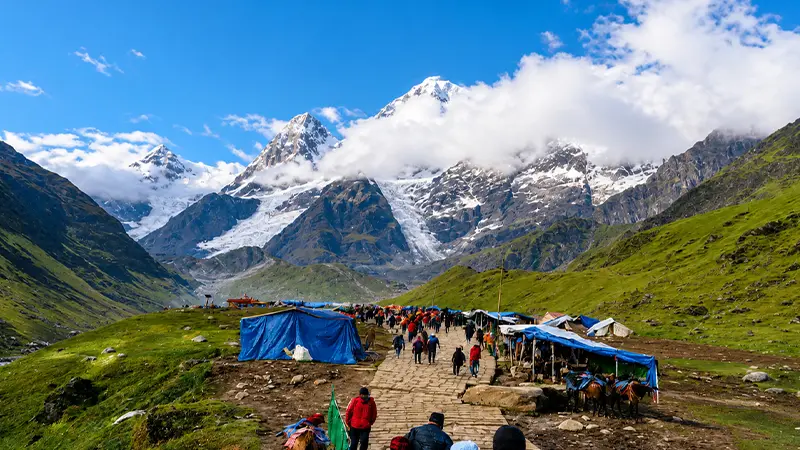
The Gaurikund to Kedarnath trek details: Distance: approximately 16km (traditional route) to 19km (after 2013 flood damage diversions) | Elevation gain: from 1,982m (Gaurikund) to 3,583m (Kedarnath) — a gain of ~1,600m | Time: 6–9 hours ascent for average pilgrims | Difficulty: Moderate to Difficult. The route includes stone-paved sections, steep switchbacks, rocky terrain, and exposed sections at altitude. It is NOT an easy walk.
Alternatives to trekking:
(1) Ponies — available up to a certain point;
(2) Palanquin (Doli) — carried by 4 bearers, approx ₹7,000–₹12,000; (depending on weight)
(3) Pitthoo (person carries you on their back) — for short sections;
(4) Helicopter — by far the easiest option for those with health limitations.
Start the trek before 3 AM to avoid afternoon weather changes. Do NOT trek alone, especially after 3 PM. Wear proper trekking shoes (not slippers). BSNL/ Jio network works throughout the trek.
Are there free medical check-ups available before Chardham Yatra?
Quick Answer:Yes. The Uttarakhand government and AIIMS-Rishikesh run free medical screening camps at Haridwar, Rishikesh, Barkot, Sonprayag, and other checkpoints for pilgrims.
Detailed Answer:
The Uttarakhand government has established a network of free health screening centers for Chardham pilgrims since 2014. Major screening points: Haridwar, Rishikesh, Barkot (for Yamunotri), Hina (for Gangotri), Sonprayag (for Kedarnath), Pandukeshwar (for Badrinath). These camps offer: blood pressure measurement, SpO2 (oxygen saturation) check, ECG screening, basic blood glucose test, and general fitness assessment.
Those found medically unfit may be advised against proceeding to higher altitudes — this is for your safety. AIIMS Rishikesh and private hospitals in Haridwar also offer pre-Yatra health packages. It is strongly advisable for pilgrims over 50, those with any chronic illness, and all helicopter Yatris to get a check-up before departure. Bring your complete medical history and list of current medications to the screening camp.
Travel & Transport
How do I reach the Chardham Yatra starting point?
Quick Answer:Haridwar and Rishikesh are the traditional base cities. By train to Haridwar/Rishikesh, by flight to Dehradun (Jolly Grant Airport), or by road from Delhi (approx 250km/5–6 hrs).
Detailed Answer:
Primary gateways to Chardham Yatra: (1) Haridwar — well-connected by train from all major cities (Shatabdi, Jan Shatabdi, Dehradun Express from Delhi); the Yatra road route begins here;
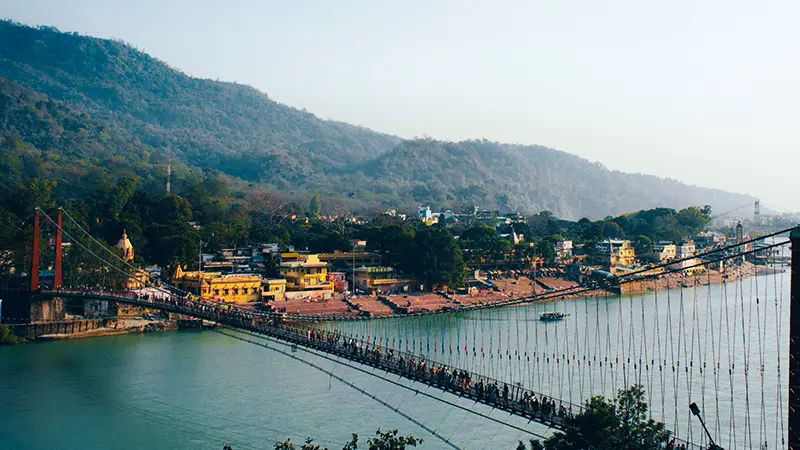
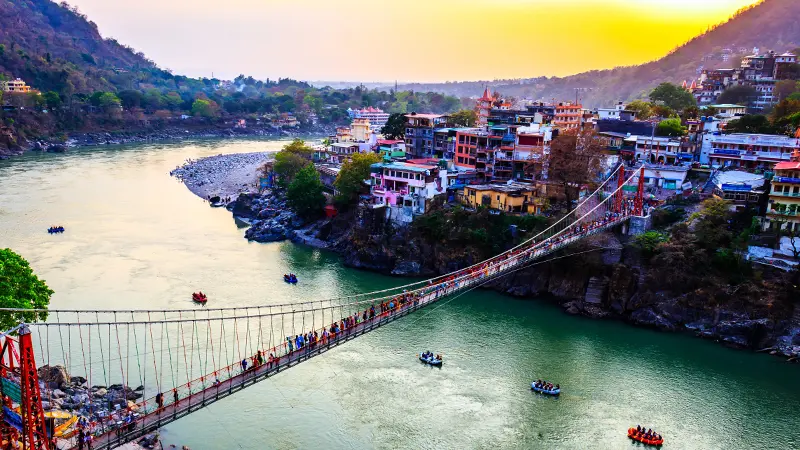
(2) Rishikesh — 24km from Haridwar; preferred by many for its spiritual atmosphere;
(3) Dehradun Jolly Grant Airport — receives flights from Delhi, Mumbai, Bangalore; key departure point for helicopter Yatra;
(4) By road — NH58/NH7 from Delhi via Meerut and Muzaffarnagar to Haridwar (~5–6 hours), then onward to Uttarkashi, Rudraprayag, and Chamoli.
State-run buses from Delhi ISBT (Kashmere Gate) operate to Haridwar, Rishikesh, and Srinagar (Garhwal).
Shared taxis from Haridwar reach Uttarkashi and Sonprayag.
Private cars and Innova/Ertiga, Tempo Traveller, Bus hire available at Haridwar/Rishikesh for full yatra itineraries.
What is the Chardham Yatra route by road?
Quick Answer:The standard route: Haridwar → Barkot/Janki Chatti (Yamunotri) → Uttarkashi (Gangotri) → Guptkashi/Sonprayag (Kedarnath) → Badrinath → back to Haridwar.
Detailed Answer:
Standard Chardham road itinerary from Haridwar:
Day 1: Haridwar → Barkot (approx 210km, 7–8hrs).
Day 2: Barkot → Janki Chatti → Yamunotri trek (6km) → Janki Chatti → Uttarkashi.
Day 3: Uttarkashi → Gangotri (100km, 3–4hrs) → Gangotri Darshan → return to Uttarkashi/Harsil.
Day 4: Uttarkashi → Guptkashi (220km, 9–10hrs).
Day 5: Guptkashi → Gaurikund → Kedarnath trek or helicopter → overnight at Kedarnath/Kedarnath base.
Day 6: Kedarnath Darshan → return to Guptkashi or Rudraprayag.
Day 7: Guptkashi → Badrinath (200km, 7–8hrs).
Day 8: Badrinath Darshan.
Day 9: Badrinath → Haridwar (320km, 10–11hrs) or via Rishikesh.
Key road challenges: NH58 between Karnaprayag and Badrinath involves hairpin bends; monsoon season brings frequent landslides; always check road status at the BRO (Border Roads Organisation) helpline or local police before traveling.
Can I do Chardham Yatra by bus?
Quick Answer:Yes. GMOU (Garhwal Motor Owners Union), UPSRTC, and UTTARAKHAND ROADWAYS operate regular services from Haridwar/Rishikesh to base points of each Dham.
Detailed Answer:
State and private bus options for Chardham Yatra:
(1) Uttarakhand Transport Corporation (UTC) buses from Haridwar/Rishikesh to Uttarkashi, Guptkashi/Sonprayag, and Badrinath (seasonal);
(2) GMOU taxis (shared jeeps) from Rishikesh to Jankichatti, Gaurikund, and Joshimath;
(3) ISBT Delhi to Haridwar/Rishikesh (UPSRTC/Uttarakhand Roadways);
Budget bus travel is significantly cheaper (₹4,000–₹8,000 for the entire circuit) but less flexible and more time-consuming. Mountain roads require hardy vehicles — local bus drivers are experienced but journeys are long.
The Haridwar–Badrinath GMOU taxi takes approximately 11–12 hours. Book shared jeeps early in the morning for onward legs. Government buses tend to be more crowded.
Is the road to Badrinath open all year?
Quick Answer:No. The Badrinath highway (NH7) is open only during the Yatra season, typically May to November. It closes due to heavy snowfall and avalanche risk in winter. Till Joshimath you can go.
Detailed Answer:
The Badrinath National Highway (formerly NH58, now NH7) is a seasonal road, typically open from late April/early May to mid-November each year. Exact opening and closing depends on snow clearance operations by the Border Roads Organisation (BRO). During monsoons (July–August), the highway is frequently disrupted by landslides, rockfalls, and road wash-outs, particularly between Rudraprayag and Chamoli and near Srinagar (Garhwal). Real-time road status can be checked via: BRO Helpline: 0135-2751787 | SDMA (State Disaster Management Authority) alerts | Local Uttarakhand Tourism helpline 1364.
Always have a contingency plan: if roads close, Joshimath (42km from Badrinath) is a safe halt point with hotels and communication.
For Kedarnath, the road to Gaurikund may also close during heavy rain. Never attempt mountain roads after heavy rainfall or at night.
Accommodation
Where should I stay during Chardham Yatra?
Quick Answer:Options include GMVN guesthouses (government-run, reliable), private hotels at base towns, Dharamshalas (free or low-cost), and luxury tented camps. Book in advance for peak season.
Detailed Answer:
Accommodation options along the Chardham route:
(1) GMVN (Garhwal Mandal Vikas Nigam) Rest Houses — government-run facilities at all major stops, reliable, reasonably priced (₹800–₹3,000/night), bookable online at gmvnl.in;
(2) Private hotels and guesthouses — available at Barkot, Uttarkashi, Harsil, Guptkashi, Sonprayag, Badrinath, Joshimath; range from ₹1500 (basic) to ₹15,000+ (premium);
(3) Dharamshalas and ashrams — free or donation-based, found at all dhams; basic facilities, may require early arrival;
(4) Tented camps — seasonal luxury camps near Kedarnath base and Badrinath offering better comfort than bare Dharamshalas;
(5) Kedarnath top — GMVN tents/huts at ₹300–₹500/bed; basic but available. Pre-booking is strongly advised for May–June travel. Note:
No 5-star hotels exist at Dhams — accommodation is functional, not luxurious, even in premium packages.
Is accommodation available at Kedarnath temple itself?
Quick Answer:Yes, limited accommodation exists at Kedarnath top — GMVN tents and private guesthouses. However, staying overnight at Kedarnath (11,755 ft) is not recommended for those with health concerns.
Detailed Answer:
Accommodation at Kedarnath (3,583m): GMVN operates tented dormitories and small rooms near the temple at ₹300–₹500 per bed.
Private guesthouses and Dharamshalas are also available. Hot water and heaters are often unavailable or limited. Staying overnight at Kedarnath allows early morning Darshan before crowds arrive — a spiritually rewarding experience. However, altitude sickness risk increases overnight at this elevation. Medical facilities are very basic.
Helicopter operators advise against overnight stays for their passengers precisely due to altitude concerns. If you do stay: acclimatize properly before ascending, keep warm (temperatures can drop to below 0°C even in summer nights), stay hydrated, eat a light dinner, and inform someone of your plans. Weather can change rapidly — fog and snowfall possible even in May/June. Note: During weather disruptions, helicopter passengers may be stranded and forced to stay overnight at additional personal cost.
Darshan & Rituals
What are the temple timings for all four Chardham Dhams?
Quick Answer:Temple timings vary by season: Kedarnath opens ~4 AM; Badrinath ~4:30 AM; Yamunotri and Gangotri ~6 AM. All close for afternoon Bhog and reopen in the evening.
Approximate daily temple timings (subject to change by temple committees):
| Temple | Morning Opening | Day Closing (Afternoon Break) | Evening Reopening | Night Closing |
|---|---|---|---|---|
| Badrinath Temple | 4:30 AM | 1:00 PM | 3:00 PM | 9:00 PM |
| Kedarnath Temple | 4:00 AM | 3:00 PM | 5:00 PM | 9:00 PM |
| Gangotri Temple | 6:15 AM | 2:00 PM | 3:00 PM | 9:30 PM |
| Yamunotri Temple | 6:00 AM | 1:00 PM | 4:00 PM | 8:00 PM |
Special pujas like Rudrabhishek at Kedarnath or Mahabhishek at Badrinath must be pre-booked.
What are the VIP Darshan options at Chardham temples?
Quick Answer:All four Dhams offer VIP/priority Darshan tokens for a fee (₹300–₹2,500), which allow access through shorter queues. These are available at the temples or through authorized operators.
Detailed Answer:
VIP/Priority Darshan details by Dham: KEDARNATH: Priority Darshan slips issued by Shri Kedarnath Mandir Samiti — available at Sersi helipad and Sonprayag — approximately ₹2500 per person; VIP queues significantly reduce wait time from potentially 3–6 hours to 30–60 minutes during peak season.
BADRINATH: VIP Darshan passes available from the Badrinath-Kedarnath Temple Committee; price varies yearly.
YAMUNOTRI & GANGOTRI: Similar tokens available.
Many helicopter package operators pre-arrange VIP Darshan for all four temples as part of their service.
During peak season in May, regular queues at Kedarnath can stretch to 5–7 hours — VIP tokens are highly advisable.
Note: Even VIP Darshan gives a brief 30-second to 2-minute encounter in the sanctum sanctorum — the focus is on the sacred glimpse (Darshan), not extended time inside.
What rituals can be performed at each Chardham Dham?
Quick Answer:Each Dham offers specific rituals — Rudrabhishek at Kedarnath, Mahabhishek at Badrinath, cooking rice in Surya Kund at Yamunotri, and Ganga puja at Gangotri are the most sacred.
Detailed Answer:
Ritual highlights at each Dham:
YAMUNOTRI — Worship Goddess Yamuna; immerse a cotton cloth bundle containing rice and potatoes in Surya Kund hot spring (natural cooking); perform Yamuna Aarti at Divya Shila near the temple entrance.
GANGOTRI — Ganga Snan (holy dip) in the Bhagirathi River at Gangotri Ghat; Ganga puja at the main temple; immersion of ashes of deceased family members is considered deeply auspicious.
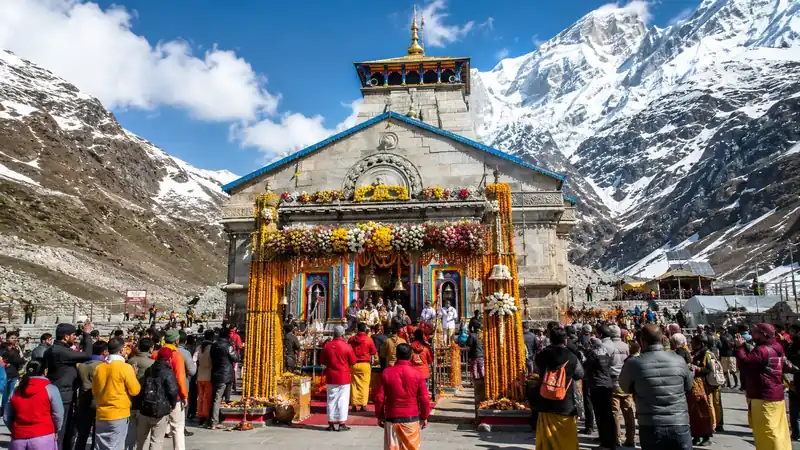
KEDARNATH — Rudrabhishek (bathing the Shivalingam with Panchamrit — milk, curd, honey, ghee, sugar) is the most sought-after ritual; special abhisheks available from 4:00–5:30 AM; can be pre-booked via the temple committee.
BADRINATH — Mahabhishek puja (full ritual worship with 16 offerings); Vishnu Sahasranama Parayana; evening Shayan Aarti at 8:30 PM is one of the most moving experiences on the Yatra. Pandit services are available at each temple for guided rituals.
What dress code is required for Chardham temples?
Quick Answer:Traditional Indian attire is preferred — Sarees/SalwarKameez for women, Kurta-pyjama or dhoti for men. No shorts, sleeveless tops, or revealing clothing inside temple premises.
Detailed Answer:
While there is no official strict dress code enforced with penalties, traditional and modest clothing is expected and respected at all Chardham temples.
For women: sarees, salwar-kameez, or churidar; carry a Dupatta to cover your head inside the temple. For men: kurta-pyjama, dhoti, or clean trousers with a shirt; avoid shorts. Avoid: tight-fitting clothes, jeans (acceptable outside but not ideal), branded T-shirts inside sanctum sanctorum, and revealing clothing.
Remove footwear at the temple entrance — this is mandatory. Some temples provide shoe storage; others require you to leave footwear at designated spots. Carry a small prayer cloth or towel to sit on during extended pujas.
Note: The high-altitude climate means you’ll need warm layers regardless — a thick shawl or fleece jacket can double as a prayer wrap. Shops near all dhams sell traditional attire if needed.
Helicopter Yatra
Is Chardham helicopter Yatra worth it?
Quick Answer:For senior citizens, those with health conditions, or pilgrims with limited time, helicopter yatra is absolutely worth it — it saves 3–6 days of arduous travel and eliminates trekking completely.
Detailed Answer:
The Chardham helicopter Yatra offers compelling advantages:
(1) Time — complete all four Dhams in 5–6 days vs 10–12 days by road;
(2) Physical ease — eliminates the 16km Kedarnath trek and long mountain road journeys;
(3) Aerial spectacle — breathtaking views of Himalayan peaks, glaciers, and river valleys;
(4) VIP Darshan — packages include priority access, reducing queue time;
(5) Ideal for seniors and those with mobility/health issues.
Trade-offs: significantly higher cost (₹1.5–₹2.5 lakhs vs ₹20,000–₹50,000 by road);
Weather cancellations are frequent at Kedarnath in particular; less time at each Dham; less immersion in the pilgrimage experience.
For pilgrims aged 65+, those with heart or respiratory conditions, or those who want to complete the Yatra comfortably, the value is undeniable.
Many pilgrims describe the aerial view of Kedarnath nestled in snow-covered mountains as a spiritual experience in itself.
How do I book Kedarnath helicopter tickets officially?
Quick Answer:Official Kedarnath helicopter bookings are ONLY through IRCTC’s heliyatra.irctc.co.in portal. Beware of fake websites and unauthorized agents.
Detailed Answer:
The ONLY authorized online booking portal for Kedarnath helicopter shuttle service is IRCTC: heliyatra.irctc.co.in.
Booking process:
(1) Complete Chardham Yatra registration first (registrationandtouristcare.uk.gov.in) and obtain your Yatra Registration Number;
(2) Create/login to your IRCTC account on the heliyatra portal;
Keep checking website for helicopter booking opening date announcement & ready for that day
(3) Select travel date, helipad (Phata, Sersi, or Guptkashi), and number of passengers;
(4) Pay online — IRCTC helicopter shuttle (round trip Phata/Sersi to Kedarnath) costs approximately ₹7,500–₹10,000 per person;
(5) Download and carry your ticket along with valid photo ID.
ALERT: Numerous fraudulent websites mimic the IRCTC portal and offer helicopter tickets — many pilgrims lose money to these scams. Always verify the URL.
For full 4-dham helicopter packages (not just shuttle), book directly with UCADA-approved operators like Global Victra, Udan Aviation,Krysatal Aviation, Aro, Aryan Aviation, Himalayan Heli, Namaste India Trip.com, Heritage Aviation, or others Bookings for 2026 season typically open in February–March.
What happens if helicopter service is cancelled due to bad weather?
Quick Answer:Weather cancellations are common, especially at Kedarnath. Operators typically rebook to the next available slot; if you miss your package window, refunds are partial and processed in 10–25 business days.
Detailed Answer:
Bad weather — fog, rain, and sudden storms — is the number one risk for helicopter yatra. IRCTC shuttle policy: If a flight is cancelled due to weather,full refunds are available.
Private package operator policies vary, but typically: cancellation for genuine weather causes results in rebooking within the package window; if unable to reschedule, partial refunds are offered with service charges deducted (typically ₹25,000–₹30,000 per full package cancellation).
What are the helipads for Chardham Yatra?
Quick Answer:Kedarnath is served from Phata, Sersi, Guptkashi, and Sitapur helipads. Full 4-dham helicopter tours typically depart from Dehradun (Sahastradhara helipad).
Detailed Answer:
Helipad details for Chardham Yatra: KEDARNATH SHUTTLE: Phata helipad (most popular), Sersi helipad (22km from Guptkashi), Guptkashi helipad, Sitapur helipad, and Augustyamuni; flight time approximately 7–10 minutes each way.
FULL CHARDHAM HELICOPTER TOURS: Base at Dehradun Sahastradhara helipad; helicopters fly to: Kharsali (nearest to Yamunotri — 6km, 2.5hr palki to temple), Harsil (near Gangotri), Sersi (Kedarnath shuttle base), Badrinath direct.
Note: Yamunotri has no direct helipad at the temple — the closest is Kharsali, and pilgrims still need a 6km palki/walk to the shrine.
DGCA regulations in 2024–25 reduced the daily shuttle count by 30% (to 184 shuttles/day at Kedarnath) for safety. Maximum passenger load per helicopter: 6 passengers.
Baggage limit: 5kg per person.
What are the weight and baggage restrictions for Chardham helicopter?
Quick Answer:Each passenger is allowed only one soft duffle bag weighing a maximum 5kg. Passenger body weight must be accurately declared during booking — discrepancies can lead to denied boarding.
Detailed Answer:
Helicopter baggage and weight rules are strict due to high-altitude performance requirements:
(1) Baggage: one soft duffle bag, maximum 5kg per passenger — hard suitcases are not permitted;
(2) Passenger weight: must be accurately declared at the time of booking; misrepresentation can result in denied boarding without refund;
(3) Group weight management: if an infant (below 2 years, up to 12kg) travels free, their weight still counts toward the total group permissible load;
(4) Maximum 6 passengers per helicopter;
(5) No cabin baggage in excess of 5kg; excess must be left at the helipad or sent ahead by road. Dress code for flights: comfortable clothing (tracksuits or kurtas), proper footwear (trekking shoes), and warm layers. No loose items inside the helicopter — scarves and stoles must be secured. Practical tip: Pack a separate small daypack with essentials (water, medications, snacks, camera, warm layer) for the helicopter; leave large luggage at your base hotel.
Senior Citizen Concerns
Can elderly people above 70 do Chardham Yatra?
Quick Answer:Yes, with proper preparation and the right mode of travel. Helicopter yatra or road-based tours with palki/pony support make Chardham Yatra accessible for most healthy elderly pilgrims.
Detailed Answer:
There is no official age bar for Chardham Yatra, and many devout pilgrims well into their 70s and 80s complete it successfully. Key considerations for seniors 70+:
(1) Medical clearance — get a thorough check-up including cardiac stress test, SpO2 baseline, and blood pressure evaluation;
(2) Mode of travel — helicopter darshan is strongly recommended; if road-based, use palki (palanquin) for Kedarnath and plan ample rest days;
(3) Pacing — 10–14 day itineraries with acclimatization days are far safer than rush tours;
(4) Companion — always travel with a younger companion or join a guided group;
(5) Medication — carry 2x required medications, emergency cardiac kit, and a list of medical history. Uttarakhand government mandates health screening at highway checkpoints; those deemed medically unfit are advised to turn back. Age 75+ is considered a sensitive bracket by most helicopter operators
Is there palki (palanquin) service at all four dhams?
Quick Answer:Palki service is available at Kedarnath (full 16km route) and Yamunotri (6km). At Gangotri and Badrinath, the temple is directly road-accessible, requiring minimal walking.
Detailed Answer:
Palki and mobility aid availability: YAMUNOTRI — Palki (carried by 4 people) available from Janki Chatti for the 6km trek; takes approximately 2.5 hours; cost ₹4000–₹6000 one way; ponies also available but trail is steep.
KEDARNATH — Full palki service from Gaurikund for the 16km trek; flat-bed doli (stretcher-type) and seated palki available; cost ₹4,000–₹8,000 one way depending on season; pitthoo (porter carry) for short distances.
GANGOTRI — Temple is accessible directly from the road; short 500–600m walk from the parking area; wheelchairs/assistance available.
BADRINATH — Temple is in the town, directly road-accessible; a short flight of steps to the main entrance; most seniors can access this without physical support.
Note: Palki operators are regulated by the Uttarakhand government; only hire from designated stands to avoid overcharging and safety issues.
What precautions should senior citizens take for Chardham Yatra?
Quick Answer:Seniors should get a pre-travel cardiac check-up, carry a pulse oximeter and all medications, choose slow-paced organized tours, opt for helicopter at Kedarnath, and never trek alone.
Detailed Answer:
Complete senior citizen checklist for Chardham Yatra: PRE-DEPARTURE: Complete medical check-up with ECG and stress test; consult doctor about altitude travel; carry printed medical history and doctor’s certificate; ensure travel insurance (including medical evacuation); inform family with complete itinerary. PACKING: Pulse oximeter, blood pressure monitor, all medications (double supply), emergency cardiac medications, warm thermals, anti-slip walking stick or trekking poles, orthopaedic footwear, ORS sachets, Digene/antacid, sunscreen SPF 50+. DURING YATRA:
Acclimatize 2 nights at Rishikesh; ascend gradually; rest frequently; don’t push through fatigue; eat regular warm meals; avoid cold water; stay hydrated but not over-hydrated; maintain a daily diary of symptoms.
TRAVEL MODE: Book Namaste India trip senior-friendly packages; choose helicopter for Kedarnath; use palki at Yamunotri.
EMERGENCY: Save local helpline (1364) and nearest hospital numbers; share real-time location with family via phone.
Packing & Preparation
What to pack for Chardham Yatra?
Quick Answer:Pack warm thermals, waterproof jacket, trekking shoes, medicines (altitude sickness, ORS), copies of ID and registration, torch, power bank, and a small day backpack for treks.
Detailed Answer:
Essential Chardham Yatra packing list:
CLOTHING — Thermal inners (top and bottom), warm fleece jacket, waterproof windbreaker, 2–3 sets of casual wear, woollen socks (2–3 pairs), gloves and wool cap, scarf/shawl for temple, comfortable trek shoes with ankle support (no slippers at Kedarnath trek), light sandals for base towns, raincoat or poncho.
HEALTH & SAFETY — Personal medications + extra supply, altitude sickness tablets (consult doctor), ORS sachets, paracetamol, antacid, antiseptic cream, bandage, pulse oximeter, sunscreen SPF 50, lip balm, sanitizer.
DOCUMENTS — Yatra registration pass (print + digital), photo IDs (carry 3 photocopies), passport photos (2–3), travel insurance documents, hotel booking confirmations, helicopter tickets. TECH & MISC — Fully charged power bank (mountain areas have limited charging), torch/headlamp with extra batteries, small lock for guesthouse, eco-friendly water bottle, energy bars/dry fruits, cash (₹5,000+ in small denominations), shopping bag for offerings.
What to pack for Chardham Yatra in monsoon?
Quick Answer:For monsoon travel (July–August), prioritize waterproof gear: quality raincoat, waterproof trekking boots, dry bags for electronics, and extra warm layers. Be prepared for delays and route closures.
Detailed Answer:
Monsoon-specific packing for Chardham Yatra (July–August): NOTE — monsoon travel is generally discouraged due to landslide risks, helicopter suspension at Kedarnath, and road closures. If you must travel: WATERPROOFING — High-quality rain poncho (not umbrella — wind makes it useless on open trails), waterproof trekking boots/gaiters, dry bags or zip-lock bags for electronics and documents, waterproof backpack cover. EXTRA LAYERS — Wet weather makes altitude feel colder; carry extra thermal layers and quick-dry clothing. FOOTWEAR — Waterproof, ankle-supported trekking boots with grip are essential; trails become slippery. SAFETY — Avoid river crossings after heavy rain; check road status daily; register emergency contacts; never trek alone in monsoon. MISC — Anti-fungal powder (for feet), extra dry food/energy bars (supply disruptions possible), portable water purifier or ORS. Best advice: postpone to September if possible — the Himalayan landscape post-monsoon is stunning, roads are clear, and it is significantly safer.
How much cash should I carry for Chardham Yatra?
Quick Answer:Carry minimum ₹20,000–₹5,0000 in cash. ATMs are scarce at high altitudes and often out of service in peak season. Small denomination notes are important for offerings and dhabas.
Detailed Answer:
Cash management on Chardham Yatra: ATM availability — limited at base towns (Haridwar, Rishikesh, Uttarkashi, Guptkashi, Rudraprayag Joshimath); but now UPI is available everywhere , you can use it anywhere. Cash essentially absent at the dhams themselves (Kedarnath top, Gangotri, Yamunotri). Gaurikund and Badrinath town have ATMs but they run dry in peak season. What requires cash: pony/palki (cash only), temple offerings and donation, priority darshan tokens, dhaba meals along the trek, porter/guide tips, medical emergencies, toll payments, and guesthouse stays (many don’t accept UPI/cards).
Recommended cash to carry: ₹10,000–₹15,000 per person for the full yatra; keep some in small denominations (₹10, ₹20, ₹50 for offerings and dhabas). Digital payments: UPI/cards generally work at Haridwar, Rishikesh, and Uttarkashi; patchy or unavailable at higher altitudes. Carry a debit card as backup but don’t rely on it.
Emergency & Contingencies
What should I do if I get stuck in Kedarnath due to bad weather?
Quick Answer:Stay calm, take a room to stay at kedarnath in a good hotel. Or contact your tour operator, and reach out to SDRF (9454418500) or Tourism helpline (1364). Do not attempt the trek down in fog or heavy rain — wait for conditions to improve.
Detailed Answer:
Getting stranded at Kedarnath is not uncommon, especially during sudden weather changes. Action plan:
(1) DO NOT panic or attempt the trek down in poor visibility — this is when accidents happen;
(2) Contact your tour operator’s emergency number — most have crisis management support;
(3) take a hotel and stay at kedarnath
For helicopter passengers stranded due to weather: the operator will try to arrange accommodation; additional costs are borne by the passenger.
The NDRF/SDRF regularly assists stranded pilgrims and has helicopters for emergency evacuation.
What are the important emergency helpline numbers for Chardham Yatra?
Quick Answer:Key emergency numbers: Tourism Helpline 1364, Police 112, SDRF 9454418500, IRCTC Helpline 0755-6610661, and Uttarakhand DM Helpline 1070.
Detailed Answer:
Complete emergency contacts for Chardham Yatra 2025: UTTARAKHAND TOURISM CARE HELPLINE: 1364 | POLICE EMERGENCY: 112 | AMBULANCE: 108 | SDRF (Disaster Response): 9454418500 | NDRF: 9454449999 | UTTARAKHAND DISASTER MANAGEMENT: 1070 | IRCTC HELIYATRA HELPLINE: 0755-6610661 | BRO (Road Status): 0135-2751787 | RUDRAPRAYAG DISTRICT HOSPITAL: 01364-233525 | CHAMOLI DISTRICT HOSPITAL (near Badrinath): 01372-253235 | UTTARKASHI DISTRICT HOSPITAL: 01374-222028 | AIIMS RISHIKESH: 0135-2462936. Save these numbers on your phone before you begin the yatra. WhatsApp the Tourism Care team for real-time yatra updates. The Tourist Care Uttarakhand app also provides live emergency support. BSNL and JIO work at Kedarnath — carry a BSNL SIM as backup.
What happens if a pilgrim passes away or has a serious medical emergency on Chardham Yatra?
Quick Answer:In case of death or serious emergency, contact SDRF (9454418500) and local police (112) immediately. The registered Yatra pass helps authorities identify and contact the pilgrim’s family quickly.
Detailed Answer:
The yatra registration system was specifically designed to facilitate rapid response in such situations. After the 2013 Kedarnath disaster (which claimed thousands of lives), the government introduced biometric registration and digital tracking. In case of a medical emergency: immediately contact the nearest medical camp or GMVN facility; SDRF helicopters are available for emergency evacuation from Kedarnath and other remote points (medical evacuation is chargeable at approximately ₹1,60,000/hour).
In case of unfortunate death: local police and disaster management will coordinate based on the Yatra registration details to contact next of kin. For this reason, ensure your registration details include accurate emergency contact information. Tour operators with groups must maintain a passenger manifest.
Travel insurance with medical repatriation cover is strongly advised — especially for international pilgrims and those with serious pre-existing conditions.
Long-Tail & Voice Search Questions
Why does Chardham registration close early?
Quick Answer:Registration doesn’t ‘close’ permanently — but daily entry slots at popular dhams fill up quickly due to government-mandated pilgrim caps for safety management.
Detailed Answer:
The Uttarakhand government sets daily capacity limits for each dham to prevent the crowd-related tragedies seen in the past, particularly at Kedarnath. During peak season (May 1–June 15), Kedarnath may see 10,000+ daily applicants competing for 5,000–7,000 permitted slots. When you try to register for a specific date and find it ‘full,’ it means the daily cap is reached.
The registration portal itself typically remains open throughout the season — but specific date-slots fill rapidly. To avoid disappointment: register your preferred dates at least 2–4 weeks in advance; use the official portal (registrationandtouristcare.uk.gov.in); consider shoulder-season dates (September–October) which have more availability; check the portal after midnight when some cancellations free up slots.
Can I do Chardham Yatra alone as a woman?
Quick Answer:Yes — many women complete Chardham Yatra alone. Uttarakhand is generally safe for solo women pilgrims. However, travelling with a group or joining an organized tour is strongly advised for safety and logistics.
Detailed Answer:
Solo female travellers on Chardham Yatra are not uncommon — the route passes through deeply devout communities where pilgrims are generally respected. Practical safety tips for solo women:
(1) Join organized group tours or travel with a reputable operator rather than travelling entirely independently;
(2) Inform a trusted contact of your daily itinerary and check in regularly;
(3) Stay at GMVN guesthouses rather than isolated private accommodation;
(4) Avoid the Kedarnath trek after 2 PM and never trek after dark; (
5) Dress modestly throughout — traditional Indian attire attracts less unwanted attention;
(6) Trust your instincts — if a situation feels unsafe, alert authorities or fellow pilgrims;
(7) Keep the Tourist Care helpline (1364) saved;
(8) At dhams, female pilgrims are generally given priority or separate queues. Many women’s groups and spiritual organizations organize women-only Chardham tours — an excellent option for first-time solo travellers.
What is the minimum fitness level required for Kedarnath trek?
Quick Answer:Basic cardiovascular fitness to walk 16km over 6–9 hours at high altitude is required. Regular walkers who can manage 45–60 minutes of brisk walking daily are generally fit enough with prior preparation.
Detailed Answer:
The Kedarnath trek (16–19km, 1,600m elevation gain) demands more than casual fitness. Fitness assessment: Can you walk for 2 hours continuously without significant breathlessness at sea level? Do you have no acute cardiac/respiratory issues? Can you manage occasional steep inclines? If yes, with preparation, you can likely do the trek. Preparation (start 4–6 weeks before): Daily 45–60-minute brisk walks; include incline walking (treadmill at 8–12% gradient); swimming or cycling for cardio; yoga for breathing and flexibility.
At altitude, your sea-level fitness drops by approximately 20–30%. Signs you should opt for helicopter/palki instead of trekking: age above 65, BMI >30 with health conditions, any cardiac history, SpO2 below 95% at Haridwar/Rishikesh during fitness check, or knee/joint issues. Important: having done the Kedarnath trek 20 years ago doesn’t guarantee current fitness — reassess honestly.
Is Chardham Yatra possible in 5 days?
Quick Answer:All four dhams in 5 days by road is very rushed and not recommended. By helicopter (5N/6D from Dehradun), a comfortable all-4-dham tour is very achievable.
Detailed Answer:
5-day Chardham by road is not possible, it would require 13–16 hours of daily driving on mountain roads, no buffer for weather or road delays, minimal rest at each dham, and significant physical stress. This is particularly risky for seniors and those with health conditions. The recommended minimum is 8–10 days by road.
However, by helicopter, 5 nights/6 days from Dehradun is the standard full Chardham helicopter package and is very comfortable — one night at each dham with proper darshan time. For those with only 2–3 days: consider a Do Dham (Kedarnath + Badrinath) by helicopter, which can be done in 2 nights/3 days. Most helicopter operators offer flexible departure dates and single-dham packages. Always prioritize quality of spiritual experience over speed.
What happens at Chardham Yatra during Navratri?
Quick Answer:Chaitra Navratri (March–April) precedes temple openings; Sharad Navratri (September–October) falls during the active yatra season with special pujas and increased crowds.
Detailed Answer:
Navratri timing and Chardham: Chaitra Navratri in March–April aligns with the temple opening season — the opening of Yamunotri and Gangotri on Akshaya Tritiya is closely tied to this sacred period. Sharad Navratri in September–October is one of the best times to visit — special pujas are organized, crowds are manageable compared to May–June peak, and the mountain air is crisp and clear.
During Navratri: special aartis, abhisheks, and Devi puja (particularly relevant at Yamunotri and Gangotri, which are Shakti piths); larger gatherings of sadhus and religious groups; expect 20–30% higher crowds at dhams. Book accommodation and darshan slots extra early if planning Navratri travel. The spiritual atmosphere during Navratri is particularly charged — many devotees specifically plan their yatra around this time.
Is Chardham Yatra dangerous after the 2013 floods?
Quick Answer:The Uttarakhand government has significantly improved safety infrastructure post-2013 — mandatory registration, SDRF deployment, medical camps, and better drainage at Kedarnath have dramatically reduced risks.
Detailed Answer:
The June 2013 Kedarnath floods were a catastrophic disaster — an estimated 5,000+ lives were lost. This tragedy prompted a complete overhaul of pilgrimage safety systems:
(1) Mandatory biometric registration for all pilgrims enables accurate tracking and family notification;
(2) SDRF (State Disaster Response Force) is permanently deployed along the yatra route with helicopters;
(3) Kedarnath temple was rebuilt with improved flood protection — a massive protective wall behind the temple now deflects debris flow;
(4) Daily pilgrim caps prevent the overcrowding that worsened the 2013 disaster;
(5) Weather monitoring stations and early warning systems installed;
(6) Medical camps at all major points. The rebuilt Kedarnath is considered significantly safer than pre-2013.
However, Himalayan mountain weather remains unpredictable — avoid monsoon travel (July–August), check weather forecasts daily, and always follow government advisories.
Can pregnant women do Chardham Yatra?
Quick Answer:Pregnant women more than 6 weeks pregnant are NOT allowed to undertake the Kedarnath helicopter yatra. High-altitude travel carries risks of preterm labour and foetal distress. Consult your OB/GYN.
Detailed Answer:
Official restrictions: Helicopter operators explicitly prohibit pregnant women beyond 6 weeks from taking Kedarnath helicopter service. Medical reasoning: High altitude (above 3,000m) reduces oxygen availability; for a foetus, this can cause growth restriction, foetal distress, or trigger premature labour. The physical demands of the trek add further risk. For the other three dhams: Gangotri (3,048m) and Badrinath (3,133m) are at similar altitudes and carry comparable risks.
Yamunotri (3,185m) requires a 6km trek. General medical guidance: first trimester (0–12 weeks) and third trimester (28–40 weeks) are particularly high-risk periods for high-altitude travel. If spiritual darshan is deeply important, consider: darshan at winter locations (Ukhimath, Mukhba) which are at lower altitudes; online darshan through temple committee livestreams; or planning the yatra after delivery. Always get explicit written clearance from your obstetrician before proceeding with any high-altitude travel during pregnancy.
Which mobile networks work at Kedarnath and Badrinath?
Quick Answer:At Kedarnath top: all major networks (BSNL, JIO, Airtel, VI) generally work; BSNL is most reliable. At Badrinath: BSNL and JIO are reliable. Harsil (near Gangotri) and Kharsali (Yamunotri) — mainly BSNL.
Detailed Answer:
Mobile network coverage details across Chardham: KEDARNATH — All networks (BSNL, JIO, Airtel, Vi) reported to work; BSNL is historically most reliable at the temple top; 4G data may be available on JIO/Airtel but can be slow. KEDARNATH TREK ROUTE — Connectivity varies; BSNL most reliable throughout. BADRINATH — BSNL and JIO reliable; 4G on JIO available. BADRINATH MANA VILLAGE (beyond) — Very patchy; BSNL only. GANGOTRI/HARSIL — Mainly BSNL; JIO patchy. YAMUNOTRI/KHARSALI — BSNL most reliable; limited JIO coverage. PRACTICAL ADVICE: (1) Obtain a BSNL prepaid SIM before entering Uttarakhand — even if only for emergencies; (2) Download offline maps of all routes (Google Maps or Maps.me) before entering mountain areas; (3) Inform family of your route and expected check-in times; (4) The Tourist Care Uttarakhand app works offline for emergency contact numbers; (5) Internet calling apps (WhatsApp, etc.) work when data is available.
What food is available at Chardham dhams?
Quick Answer:All food at dhams is pure vegetarian — primarily dal, sabji (vegetables), rice, chapati, and khichdi. No non-vegetarian food, alcohol, eggs, onion, or garlic is served at or near the temples.
Detailed Answer:
Food culture at Chardham Yatra: YAMUNOTRI — Limited dhabas and guesthouses at Janki Chatti serve simple dal-roti; at the temple, pilgrims cook rice and potatoes in the Surya Kund hot spring as a prasad offering. GANGOTRI — Simple vegetarian thali (₹80–₹150) available at nearby dhabas; GMVN canteen also operates. KEDARNATH — GMVN canteen at the base camp area, private dhabas along the trek route and at the top; limited menu (dal, rice, khichdi, chai, Maggi noodles); prices are higher due to porter-based supply chain. BADRINATH — More options available being a larger town; Maa Annapurna bhog (temple food) is distributed as prasad and is said to be especially blessed. DIETARY NOTE: All food at dhams is prepared without onion, garlic, and is sattvik in nature — this aligns with Hindu pilgrimage tradition. Most helicopter packages provide all meals including Jain food options on request. Carry energy bars, dry fruits, and packaged food for trek segments.
What is the significance of Chardham Yatra spiritually?
Quick Answer:Chardham Yatra is believed to cleanse accumulated sins (papa) of multiple lifetimes and help attain Moksha (liberation from the cycle of birth and death). Each dham is a divine gateway to a different cosmic energy.
Detailed Answer:
The Chardham Yatra holds profound spiritual significance in Hindu philosophy. Adi Shankaracharya, the 8th-century philosopher-saint, established (or revived) these four dhams to unite Hindus across four directions of India. Each dham represents a cosmic energy: YAMUNOTRI — Goddess Yamuna (daughter of Sun God), associated with longevity; a dip is said to save from untimely death. GANGOTRI — Goddess Ganga (river of liberation), whose waters are believed to purify ancestral souls and free them from the cycle of rebirth.
KEDARNATH — Lord Shiva in his Jyotirlinga form; darshan grants liberation from the cycle of birth and death (moksha).
BADRINATH — Lord Vishnu (Badrinarayan); considered the most important of the four; completing the yatra at Badrinath is believed to grant Vishnu’s blessings for moksha. Hindu scripture states that completing Chardham Yatra once in a lifetime is equivalent in spiritual merit to a lifetime of devoted practice. The journey itself — through hardship, faith, and surrender — is considered the transformation.
How do I avoid fraud and scams during Chardham Yatra?
Quick Answer:Key scam areas: fake registration portals, unauthorized helicopter booking websites, overcharging by pony/palki operators,. Always use official government portals and -approved operators.
Detailed Answer:
Common scams and how to avoid them: (1) FAKE REGISTRATION PORTALS — Multiple websites mimic the official registration site and charge a fee; ONLY use registrationandtouristcare.uk.gov.in — registration is free.
(2) FAKE HELICOPTER BOOKING SITES — For Kedarnath shuttle, ONLY use heliyatra.irctc.co.in; do not book through WhatsApp forwards or unverified social media links.
(3) OVERCHARGING PONY/PALKI OPERATORS — Rates are regulated by the Uttarakhand government; check official rates before hiring; obtain a receipt.
(4) FAKE PANDITS — At all dhams, unofficial ‘pandits’ may approach you and charge exorbitant fees for pujas that are available at standard rates inside the temple; use officially appointed priests.
(5) ADVANCE BOOKING FRAUD — Don’t transfer money to unknown tour operators without verifying their UKADA/Uttarakhand Tourism registration. Check reviews on TripAdvisor and Google, their social media pages,before booking private operators.
Compare relevant packages and request a customised travel plan from the Namaste India Trip team.

Share your experience, ask a question, or leave useful tips for other travelers.