
- Kuti Village Overview
- Kuti Village at a Glance
- Where Is Kuti Village, and What’s the Altitude?
- Route Villages Before Kuti
- How to Reach Kuti Village
- Local Legends and Cultural Significance
- Best Time to Visit Kuti Village
- Permit and Travel Requirements
- Accommodation, Network and Electricity
- Safety, Acclimatisation and Common Mistakes
- Budget (Indicative Only)
- Conclusion
- Frequently Asked Questions
- Related Articles
- Related Tour Packages
- About the Author
- Was This Travel Guide Helpful?
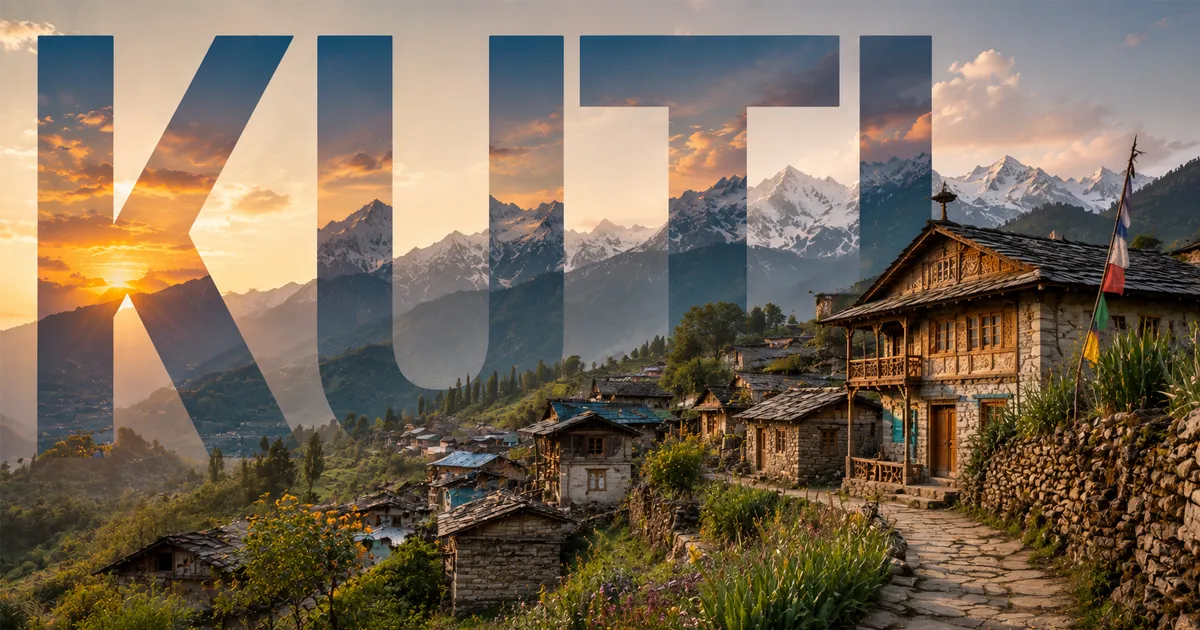
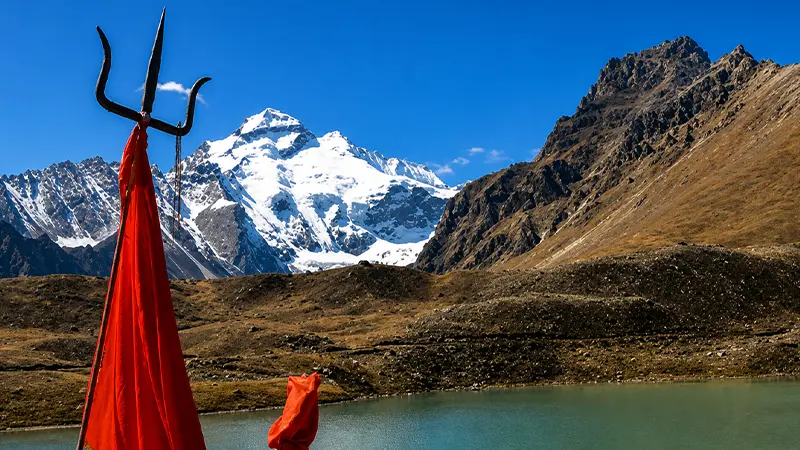
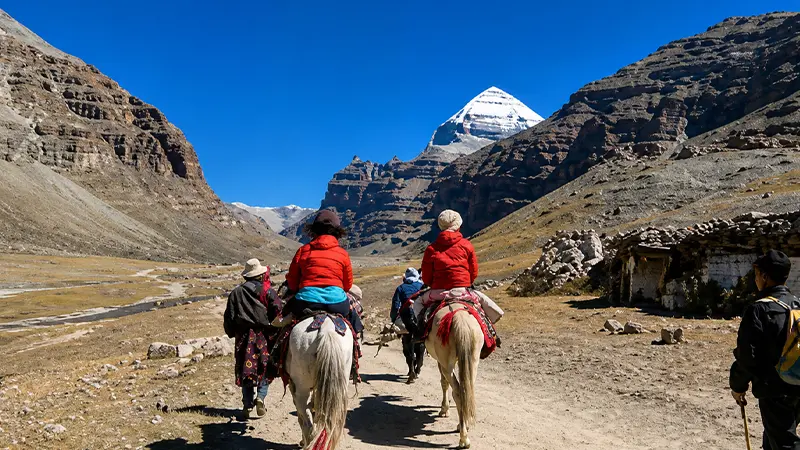
Kuti Village is one of the last seasonally inhabited villages before Jolingkong, sitting in the Kuthi Valley of Pithoragarh district near the Indo-Tibetan border. If you’re researching the Adi Kailash route, Kuti is where Himalayan village life, river-valley geography, and centuries of local legend meet before the road climbs into high-altitude wilderness.
Kuti Village at a Glance
| Detail | Information |
|---|---|
| Location | Kuthi Valley, Pithoragarh district, Uttarakhand |
| Elevation | Approximately 3,700 m (per Wikipedia’s Kuthi Valley entry) |
| Nearest base town | Dharchula |
| Route | Dharchula → Gunji → Kuti → Jolingkong |
| Permit | Inner Line Permit mandatory; status currently paused (2026 monsoon) |
| Accommodation | Seasonal local homestays only |
| Best period | May–June and September–October |
| Network | Limited and unreliable |
Where Is Kuti Village, and What’s the Altitude?
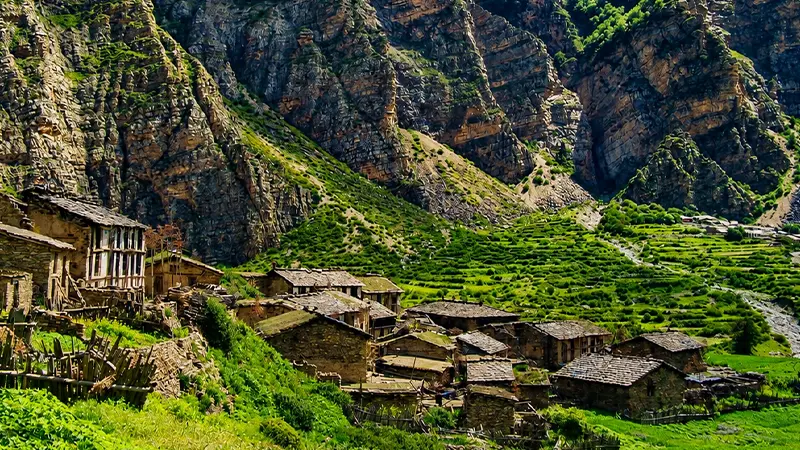
Kuti lies within the Kuthi Valley (also spelled Kuti Valley), a Himalayan valley that Wikipedia places at approximately 3,700 m — one of five Byans villages strung along the Kuthi Yankti river, alongside Gunji, Nabi, Rongkang, and Napalchu. Kuti itself is the last of these before the terrain gives way to the high-altitude Jolingkong basin.
| Segment | Distance | Altitude Context |
|---|---|---|
| Dharchula to Gunji | ~90–100 km | Gunji sits around 3,200–3,500 m |
| Gunji to Kuti (via Nabi, Rongkang, Napalchu) | ~15–25 km (figures vary by source) | Kuti sits around 3,700 m |
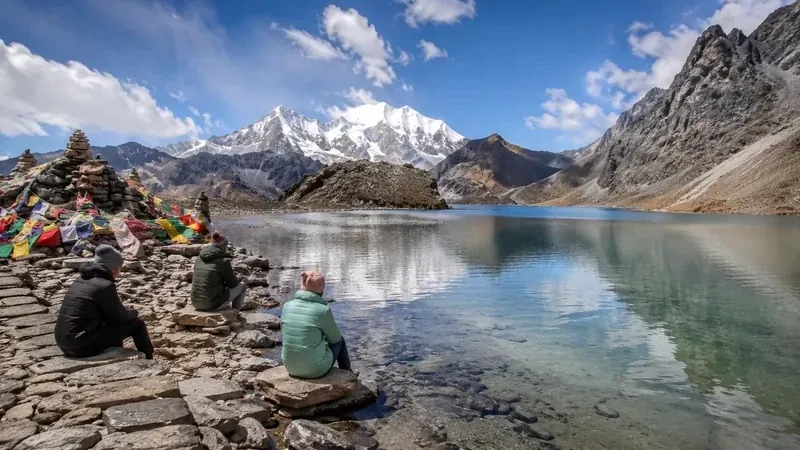
| Kuti to Jolingkong | ~14 km | Jolingkong/Parvati Sarovar area at ~4,570–4,630 m |
| Dharchula to Kuti (via Gunji) | Over 100 km on the same road route | Not separately published as a direct figure |
Travellers gain noticeable elevation between Gunji and Kuti, so treat this stretch as part of your acclimatisation plan, not just a transit leg.
Route Villages Before Kuti
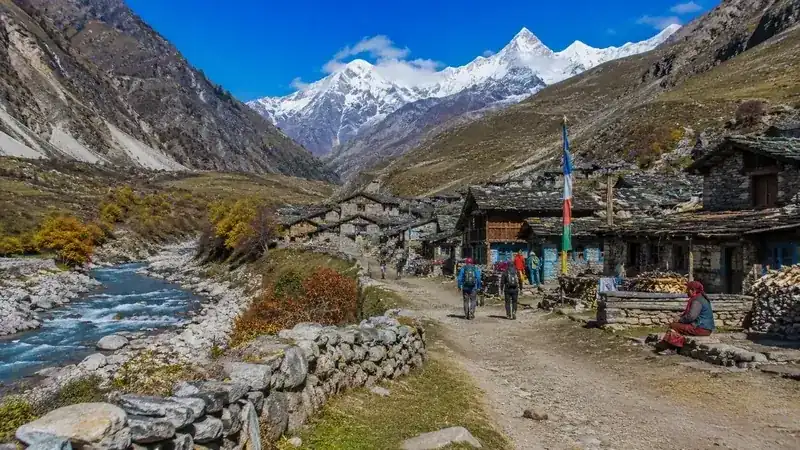
The road from Gunji to Kuti isn’t a single uninterrupted stretch — it passes through smaller Byans settlements first: Nabi, Rongkang, and Napalchu. Each is small, seasonally populated, and part of the same five-village Byans cluster in the Kuthi Valley. Most itineraries don’t stop long at these, but they’re worth knowing about so the route doesn’t feel like an unexplained gap between Gunji and Kuti.
How to Reach Kuti Village
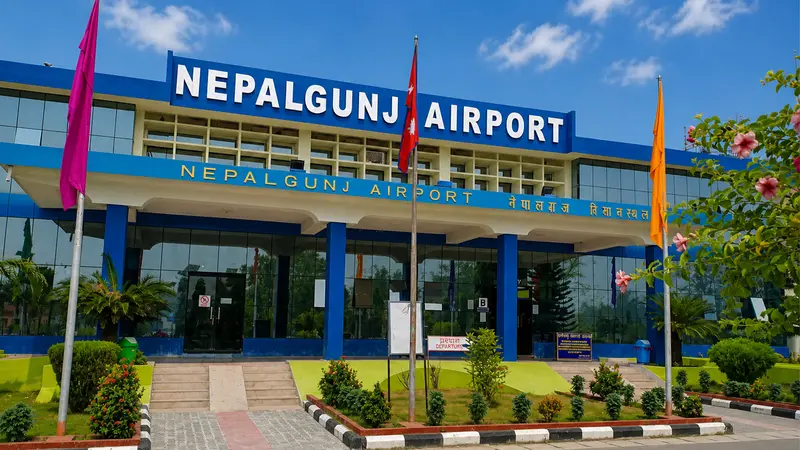
The nearest railway station is Tanakpur, and the nearest airport is Pantnagar, both connected to Delhi and other major cities.
- Kathgodam/Tanakpur to Dharchula by road (roughly 300 km)
- Dharchula to Gunji by locally authorised vehicle (restricted zone begins here)
- Gunji to Kuti, then onward to Jolingkong, on the same permitted route
Vehicle movement beyond Dharchula is generally arranged through locally registered or authorised operators, subject to current permit and administration rules — confirm this with your operator rather than assuming a fixed policy.
Local Legends and Cultural Significance
Kuti’s name carries more than one local explanation. Some traditions trace it to Kunti, mother of the Pandavas, who legend says stayed here during their Himalayan exile. Other regional accounts trace the name to “kutia,” meaning hut, and connect the village to Sage Ved Vyasa, said to have lived nearby while composing the Mahabharata — which is also why the wider region is called Vyas Valley.
A ruined structure near the village, sometimes called Pandav Fort or Kunti Killa, is locally believed to be linked to the Pandavas’ exile period. None of this is archaeologically verified — treat it as oral tradition and local belief, not documented history.
Kuti is traditionally home to the Byansi community, part of the wider Bhotia cultural group of the Kumaon Himalaya, historically associated with trans-Himalayan wool trade and seasonal herding rather than a fixed year-round settlement.
Best Time to Visit Kuti Village
- May–June: Generally more favourable travel conditions, though snowfall, rain, and road closures can still occur
- July–August: Monsoon; travel is generally discouraged, and permits may be suspended, as is currently the case in 2026
- September–October: Another preferred window, often offering clearer mountain views after the monsoon
- November–April: Village is largely empty; residents migrate down and the area is snowbound
Permit and Travel Requirements
Kuti sits inside the same restricted border zone as Jolingkong and Nabhidhang, so an Inner Line Permit is required for Indian travellers, following the process prescribed by the Dharchula district administration.
- Carry ID proof copies, passport photos, and a medical fitness certificate
- Apply at the Dharchula SDM office; tour operators can assist, but requirements should be confirmed officially
- Permits are re-checked at the Gunji checkpost
- Foreign-national access is highly restricted; confirm current eligibility with the district administration before planning
Accommodation, Network and Electricity
Accommodation in Kuti Village is limited to homestays run by local families — there are no hotels in the conventional sense. Some homestays have been run by the same families for generations, though exact histories should be treated as local accounts rather than documented fact. Expect simple rooms and home-cooked meals, with no restaurant-style dining beyond this point.
- Mobile network and UPI are limited and inconsistent this far into the valley — carry sufficient cash
- Electricity and charging facilities are limited and unreliable; carry a power bank
- Confirm homestay availability in advance during the May–June and September–October rush
Safety, Acclimatisation and Common Mistakes
- Skipping acclimatisation before pushing on to Jolingkong — altitude sickness (AMS) risk rises with the elevation gain past Gunji; rest and hydrate before ascending further
- Assuming Kuti has hotel-style accommodation — it doesn’t; homestays are the only option
- Not confirming permit status before travel — as the 2026 monsoon suspension shows, access to this zone can pause with little notice
- Trusting a single distance figure — Gunji–Kuti figures vary by source, so build in buffer time
- Medical facilities beyond Gunji are minimal; carry a basic first-aid kit and discuss any existing health conditions with a doctor before travelling
Budget (Indicative Only)
| Component | Approx. Range (₹) |
|---|---|
| Homestay stay (per night) | 800 – 1,500 |
| Meals (per day) | 300 – 600 |
| Overall road package share | Included in broader Adi Kailash package (₹30,000–50,000) |
These are indicative planning estimates checked in July 2026, not official tariffs — actual cost depends on operator, season, and inclusions.
Conclusion
Kuti Village isn’t just a stopover on the way to Jolingkong — it’s the last point where Himalayan village life, layered local legend, and the Pandava-Kunti tradition still feel present before the landscape turns stark and sacred. Confirm your Inner Line Permit status, plan for a homestay rather than a hotel, and treat this Kutti village halt as part of the journey, not just a transit point.
Frequently Asked Questions (FAQs)
Where is Kuti Village located?
In the Kuthi Valley, Pithoragarh district, near the Indo-Tibetan border, on the route to Adi Kailash.
What is the altitude of Kuti Village?
Approximately 3,700 metres, according to Wikipedia’s Kuthi Valley entry.
What is the Kuti village distance to Jolingkong?
Approximately 14 km, based on the Pithoragarh district tourism page.
Why is Kuti village famous?
Local tradition links it to Kunti, mother of the Pandavas, and separately to Sage Ved Vyasa of the Mahabharata.
Is there hotel accommodation in Kuti village?
No — only local homestays run by Byansi/Bhotia families are available.
What is the best time to visit Kuti village Pithoragarh?
May–June and September–October, avoiding the July–August monsoon window.
Do I need a permit to visit Kuti village?
Yes, an Inner Line Permit from Dharchula, following the district administration’s current process.
Is Kuti village inhabited year-round?
No — it’s seasonally populated, with residents migrating down before winter snow sets in.
Is the Kuti village route currently open in 2026?
Permits are temporarily paused due to monsoon conditions; this status may change, so check with the Dharchula SDM office.
Can senior citizens visit Kuti village?
Suitability depends on age, fitness, and medical advice — the motorable route reduces walking but doesn’t remove high-altitude risk.
Compare relevant packages and request a customised travel plan from the Namaste India Trip team.






Share your experience, ask a question, or leave useful tips for other travelers.