

- Parvati Sarovar Overview
- Parvati Sarovar at a Glance
- Where Is Parvati Sarovar & at What Altitude?
- How to Reach Parvati Sarovar from Jolingkong
- The Story of Parvati Sarovar
- One Lake, Many Names
- What You’ll See Around the Lake
- Rituals, Bathing & Etiquette
- Best Time to Visit Parvati Sarovar
- Preparing for the Altitude
- Where to Stay for the Sarovar Visit
- Photography at the Lake
- Pair It with the Om Parvat Day
- 2026 Travel Update
- Key Takeaways on Parvati Sarovar, Adi Kailash
- Conclusion: Where the Mountain Meets Its Mirror
- Frequently Asked Questions
- Related Articles
- Related Tour Packages
- About the Author
- Was This Travel Guide Helpful?
On a windless morning at Jolingkong, Parvati Sarovar, Adi Kailash’s sacred high-altitude lake, does something no photograph prepares you for — it holds the entire peak in its still water. For most pilgrims, this reflection is the image the whole yatra builds toward. The Pithoragarh district administration lists the lake among the key sacred sites at the mountain’s foot, alongside Gauri Kund and the Adi Kailash temple, inside a restricted zone that needs an Inner Line Permit and honest acclimatisation. This guide covers the route, the altitude, the story, and the darshan — reconfirm current rules before you go.
Quick Answer
Parvati Sarovar is a sacred high-altitude lake near Jolingkong, at the base of Adi Kailash in Uttarakhand’s Pithoragarh district. It lies at around 4,500 metres and is reached via the Dharchula–Gunji–Kuti road route. An Inner Line Permit is generally required, and final walking access varies with current road and weather conditions.
Parvati Sarovar at a Glance
| Detail | Information |
|---|---|
| Location | Jolingkong area, Pithoragarh district, Uttarakhand |
| Approx. altitude | Around 4,500 m (roughly 14,700–14,800 ft); figures vary by source |
| Nearest bases | Gunji / Nabi / Kuti |
| Permit | Inner Line Permit required beyond Dharchula |
| Best season | May–June and September–October (subject to advisories) |
| Walking required | Varies with the current vehicle drop point |
| Main draw | Adi Kailash darshan, lakeside Shiva–Parvati temple |
Where Is Parvati Sarovar & at What Altitude?
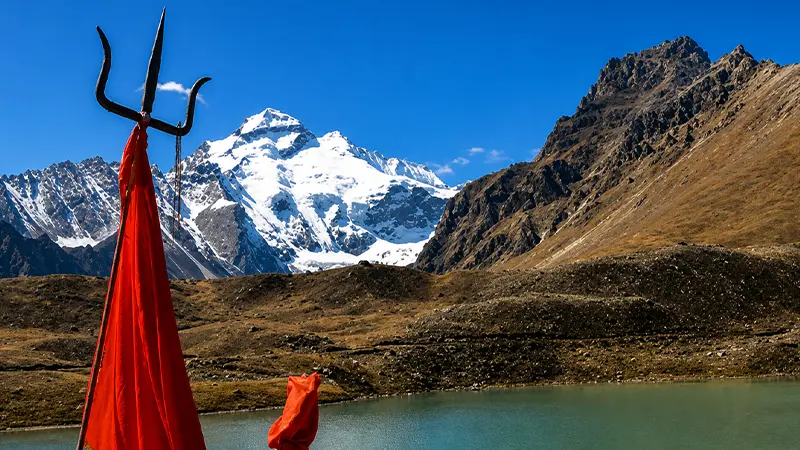
The lake lies in the Jolingkong–Parvati Sarovar area of the upper Kuti valley, close to the Indo-Tibet border. The area sits at roughly 4,400–4,500 metres; the lake itself is commonly reported at around 4,500 m, though published figures vary slightly across maps and travel sources. It stays frozen for much of the year, taking liquid form in the brief high-altitude summer. Adi Kailash (~5,945 m) rises directly above — the mountain is regarded as sacred and is not climbed as part of the pilgrimage; darshan happens from this basin.
How to Reach Parvati Sarovar from Jolingkong
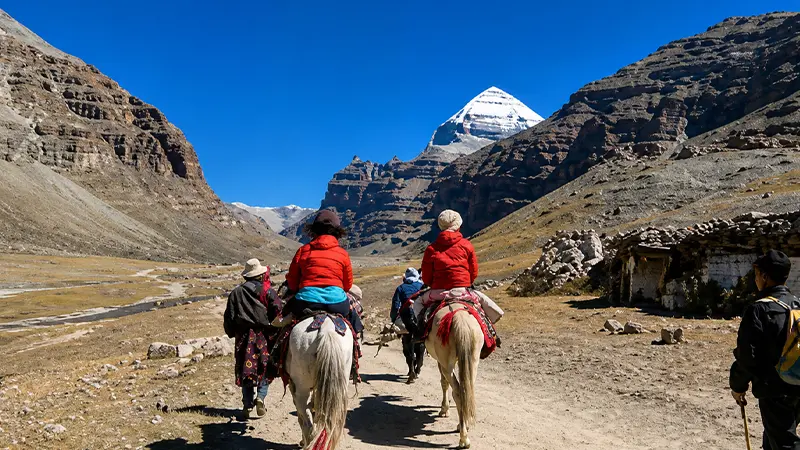
The lake sits at the end of the road circuit: Kathgodam → Pithoragarh → Dharchula (permits) → Gunji (acclimatisation) → Kuti → Jolingkong, which is approximately 17 km beyond Kuti by the current road route. Under normal operational conditions, vehicles reach the Jolingkong area.
From there, the final walking distance to the lake and temple depends on the current vehicle drop point, road condition, and local access arrangements — recent seasons have added railings and improved trail sections, but confirm the walking requirement with your operator. Those unable to walk can still take darshan from near the vehicle point.
The Shiva–Parvati Temple
A short climb above the sarovar stands a small seasonal Shiva–Parvati temple with Adi Kailash rising directly behind it — the classic darshan frame of the yatra. It functions during the pilgrimage season and stays closed otherwise; pilgrims typically pray here after visiting the lake, and some offer sarovar water at the shrine.
The Story of Parvati Sarovar
According to local religious tradition, this is the lake where Goddess Parvati bathed and meditated in her devotion to Lord Shiva, and devotees revere the wider Jolingkong valley as another sacred abode of Shiva and Parvati. Because Adi Kailash mirrors Mount Kailash in form, devotees sometimes describe the lake as the “Mansarovar of Kumaon” — a devotional title, not an official one.
These accounts belong to faith and oral tradition rather than documented history — and standing at the shoreline with the peak overhead, the geography and the story feel made for each other.
One Lake, Many Names
The names Parvati Sarovar, Parvati Kund, Parvati Tal, Jolingkong Lake, and Gauri Kund are not used consistently across maps, local accounts, and travel sources. Some references distinguish Parvati Sarovar from Gauri Kund as separate sacred water bodies; others use overlapping names for the lakes around Jolingkong. Follow current local signage and your authorised guide’s directions rather than relying only on online labels.
What You’ll See Around the Lake
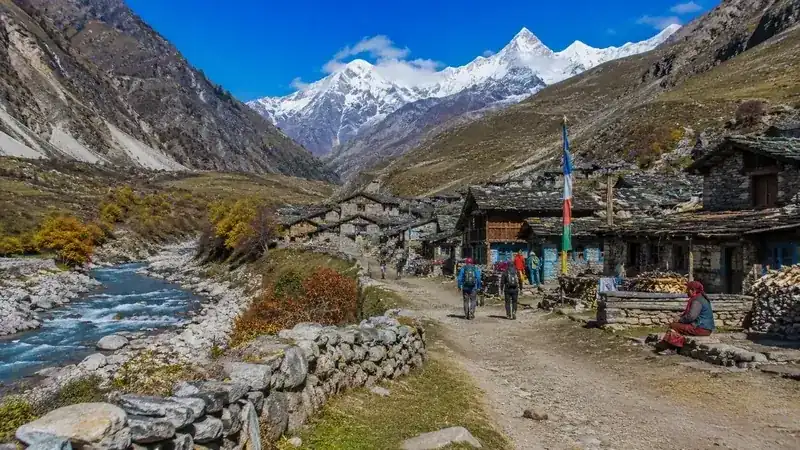
The Jolingkong basin packs remarkable sacred geography into one valley: Gauri Kund nearby, the serrated Pandav Parvat ridge, the crown-shaped Parvati Mukut, the terrace-like Bheem ki Kheti, and peaks such as Brahma Parvat — each carrying its own thread of legend.
Rituals, Bathing & Etiquette
Some travel accounts mention ritual dips, but bathing should not be assumed to be permitted or medically safe — rules and customs vary locally, and cold-water immersion at this altitude can be dangerous. Follow current local instructions, and if you have any existing medical condition, get personalised medical advice before the journey. (This article is general travel guidance, not a substitute for professional medical advice.) Carry back everything you bring; this fragile, sacred place shows every piece of litter.
Best Time to Visit Parvati Sarovar
May–June and September–October are the most commonly preferred travel periods, subject to road opening, permits, weather, and district advisories. Early summer often finds the lake partly frozen — starkly beautiful in its own way — while post-monsoon months may offer clearer visibility, though mountain weather stays unpredictable. Mornings are generally calmer for the mirror reflection, with no guarantees.
Preparing for the Altitude
At around 4,500 m, every step costs extra breath. Acclimatise at Gunji, walk slowly, hydrate, and turn back if symptoms worsen — our Adi Kailash health advisory covers the full protocol. Carry warm layers, sunglasses, sunscreen, water, and a small offering kit; the wind cuts hard even in June.
Where to Stay for the Sarovar Visit
Most itineraries base at Gunji or Nabi (homestays and guesthouses) and make Jolingkong a day visit, returning by evening. Seasonal huts or camps sometimes operate near Jolingkong for select itineraries, but availability varies by year and operator — never assume an overnight there without confirmation. Book high-valley stays early in the May–June rush.
Photography at the Lake
The mirror shot needs a calm morning, a low angle near the shoreline, and patience — Jolingkong winds often pause briefly after sunrise. Keep batteries warm in an inner pocket, and avoid photographing security installations.
Pair It with the Om Parvat Day
Most itineraries give one day to Jolingkong and the sarovar, and a separate day from Gunji to Kalapani and Nabhidhang for Om Parvat — two darshans, two directions. Keep both mornings early and weather-flexible.
2026 Travel Update
In early July 2026, the district administration temporarily suspended Adi Kailash and Om Parvat permits because of monsoon-related safety concerns. Permit status can change at short notice, so check the latest official advisory with the Pithoragarh district administration or your operator before finalising dates.
Key Takeaways on Parvati Sarovar, Adi Kailash
- A sacred high-altitude lake at Adi Kailash’s base near Jolingkong, around 4,500 m, officially listed among the site’s key sacred spots.
- Vehicles reach the Jolingkong area in normal conditions; the final walk varies with the current drop point.
- The legends here belong to living tradition — visit with respect, not just a camera.
- Bathing rules, permits, and access change — always follow current local guidance.
Related reads:
Conclusion: Where the Mountain Meets Its Mirror
Parvati Sarovar, Adi Kailash’s mirror and the yatra’s emotional summit, rewards slow, respectful travel — acclimatise at Gunji, confirm the current walk and rules, reach the shore early, and let the reflection do the rest. Of all the sights on this circuit, this sacred lake near Adi Kailash is the one pilgrims describe in the quietest voices. Plan it right, and you’ll understand why.
- Suggested Tour: Adi Kailash Yatra Tour Packages 2026
Frequently Asked Questions (FAQs)
Where is Parvati Sarovar located?
Near Jolingkong at the base of Adi Kailash, in Uttarakhand’s Pithoragarh district, close to the Indo-Tibet border.
What is the Parvati Sarovar altitude?
Commonly reported at around 4,500 m (roughly 14,700–14,800 ft); figures vary slightly by source.
What is the story of Parvati Sarovar?
Local tradition holds that Goddess Parvati bathed and meditated here in her devotion to Shiva.
How do I reach Parvati Sarovar from Jolingkong?
A short walk from the vehicle point — the exact distance depends on the current drop point and road condition.
Is trekking required for Parvati Sarovar?
The motorable road removes long trekking, but some walking on uneven high-altitude terrain may still be needed; fitness and acclimatisation matter.
Can we visit Parvati Sarovar by car?
Vehicles generally reach the Jolingkong area under normal conditions; the final stretch is on foot.
Are Parvati Sarovar and Gauri Kund the same?
Naming varies — some sources treat them as separate sacred lakes, others use overlapping names; follow local signage and guides.
Is bathing allowed in the lake?
Don’t assume so — customs and rules vary locally, and cold-water immersion at this altitude carries real risk.
When is the best time to visit Parvati Sarovar?
May–June and September–October, subject to permits, road opening, and weather.
Do I need a permit?
Yes — the lake lies in a restricted zone beyond Dharchula requiring an Inner Line Permit.
Is there a temple at the lake?
Yes — a small seasonal Shiva–Parvati temple stands just above the sarovar, open during the yatra season.
Can senior citizens visit?
Many do, with medical clearance, a slow itinerary, and buffer days — suitability depends on health, not age alone.
Compare relevant packages and request a customised travel plan from the Namaste India Trip team.





Share your experience, ask a question, or leave useful tips for other travelers.