

- Best Places to Visit in Gaya for Spiritual Escape Overview
- 1. Vishnupad Temple
- 2. Mangala Gauri Temple
- 3. Mahabodhi Temple
- 4. Dungeshwari Cave Temple
- 5. Bodhi Tree
- 6. Akshay Vat
- 7. Sita Kund
- 8. Ramshila Hill
- 9. Pretshila
- 10. Falgu River
- 11. Chinese Temple and Monastery
- 12. Great Buddha Statue
- 13. Sujata Garh
- Frequently Asked Questions
- Related Articles
- Related Tour Packages
- About the Author
- Was This Travel Guide Helpful?
Gaya, or the revered Gaya Kshetra, is more than a city – it’s a haven for the spirits of Lord Buddha and Lord Vishnu, drawing devotees and wanderers from every corner of the globe. There are many heritage and spiritual sites in Gaya to explore and be immersed in the very soul of Gaya.
The city’s name echoes the presence of Gayasura, a giant figure from the mighty Asura lineage and a devotee of Lord Vishnu. Stories resonate through the streets, and legend has it that even the great Lord Rama chose this sacred city for the profound ritual of Pind Daan at Ramshila.
In this blog, we will show you some top tourist destinations to visit in Gaya. These destinations offer not just a peek into history but also a blissful experience of the serene ambiance and spiritual vibrations that weave through Gaya’s Air.
1. Vishnupad Temple
Vishnupad Temple is one of the most popular spiritual destinations to visit in Gaya. The temple is a blissful abode of Lord Vishnu. It is believed to showcase a 40-cm-long footprint of Lord Vishnu in a basalt rock. According to an old legend, there was a giant named Gayasura who was killed by Lord Vishnu by stamping his foot on his chest. It was his footprint which is still intact in the rock.
Located on the serene banks of the Falgu River, thousands of devotees come to Gaya to get divine blessings from Lord Vishnu. Vishnupad Temple is a significant site of Hindu worship. In the courtyard of the temple, there are other temples dedicated to Lord Shiva and Lord Narasimha. Devotees also seek their blessings.
2. Mangala Gauri Temple
 Mangala Gauri Temple
During Monsoon months, on every Tuesday women fast for their husband’s success and fame. They offer 16 types of bangles, varieties of fruits, and five types of sweets to the goddess. Also, an idol is bathed in milk, curd, and water and then decorated in red cloth, Vermilion, henna, and kohl. There is a temple of Bhima, one of the five Pandavas brothers near the Mangala Gauri Temple. Devotees who worship the goddess also visit Bhim Temple to pay their respects.
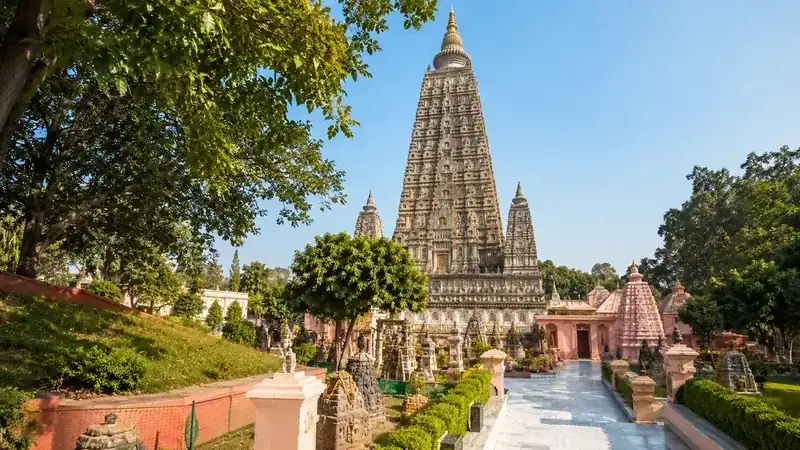
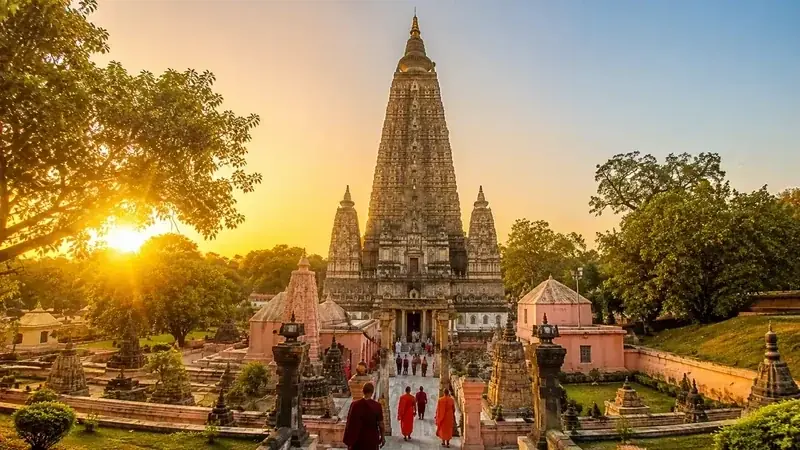
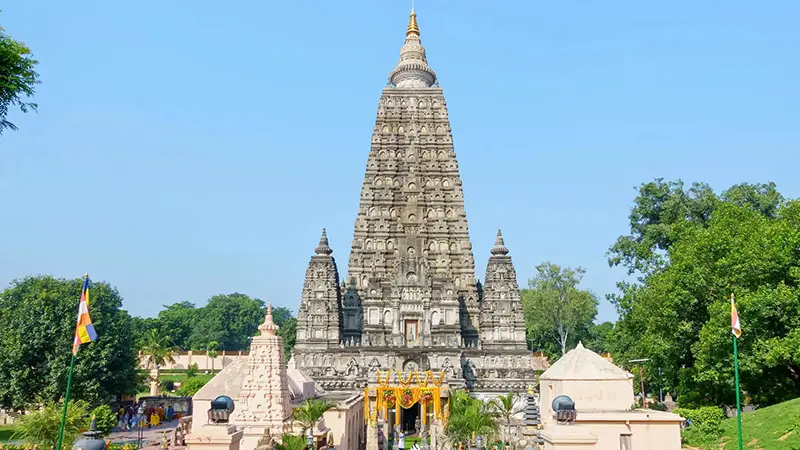
3. Mahabodhi Temple
 Mahabodhi Temple
4. Dungeshwari Cave Temple
 Dungeshwari Cave Temple
A golden emaciated sculpture of Buddha displaying his rigid penance is enshrined in one of the cave temples. The caves also have Hindu shrines, one of the cave temples is dedicated to the Hindu goddess Dungeshwari.
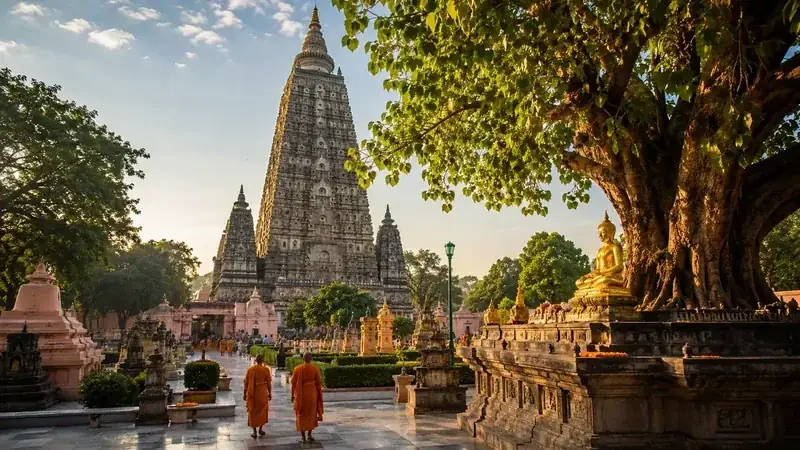
5. Bodhi Tree
 Bodhi Tree
If you want to see the glory of this sacred Tree then you must visit here during December. Every year on 8th December, Buddhist followers celebrate Bodhi Day to celebrate Buddha’s enlightenment under the Bodhi Tree. This is probably the fifth Succession of the original Bodhi Tree. It is said that the original Bodhi Tree is still alive in Sri Lanka’s Anuradhapura. The daughter of Emperor Ashok Sanghamitra planted the sapling taken from the original Bodhi tree from Bodhgaya to Sri Lanka.
6. Akshay Vat
 Akshay Vat
It is said that Lord Narayana once flooded the earth to display his powers to sage Markandeya, and the only tree that was not submerged was Akshay Vat. Once upon a time, the tree was the resting place of Lord Rama. In Jain texts, it is mentioned that Akshay Vat was the meditation spot of a Jain Tirthankar Rishabha.
7. Sita Kund
 Sita Kund
8. Ramshila Hill
 Ramshila Hill
9. Pretshila
 Pretshila
10. Falgu River
 Falgu River
All the witnesses except the tree lied as they hoped Lord Rama would make another round of offerings. An angry goddess Sita cursed them all including River Falgu who was condemned to run below the earth’s surface to hide her head in shame for lying.
11. Chinese Temple and Monastery
 Chinese Temple and Monastery
12. Great Buddha Statue
 Great Buddha Statue
13. Sujata Garh
 Sujata Garh
14. Monasteries of Bodhgaya
 Monasteries of Bodhgaya
15. Baba Koteshwarnath Temple
 Baba Koteshwarnath Temple
Legend has it that Vanasur’s Main and Dev Kund were nestled in a deep forest. Usha, who frequented the temple for prayers, received a divine message from Lord Shiva, instructing her to establish a Sahastralinga to fulfill her wishes. Usha followed the guidance and, as a result, was granted her wish-marriage to Aniruddha, Lord Krishna’s grandson.
Formerly known as “Shiv Nagar,” the site earned its reputation in ancient times. The Sahastra Shivling idol is said to have been established by Usha at the end of Dwapara Yuga. Pilgrims believe that visiting this sacred place can fulfill their wishes. Each year, especially during the month of Saawan, devotees flock to the temple to offer prayers.
16. Indosan Nippon Japanese Temple
 Indosan Nippon Japanese Temple
Nestled within the temple, the gallery unfolds a narrative of Japanese paintings illustrating pivotal moments in Buddha’s life. Beyond a mere structure, this temple serves as a pivotal repository for those eager to delve into the richness of Buddhist culture. A visit to the Indosan Nippon Japanese Temple is an indispensable experience for those seeking to deepen their understanding of Buddhism.
17. Bodhgaya Multimedia Museum
 Bodhgaya Multimedia Museum
18. Muchalinda Lake
 Muchalinda Lake
Referred to as the Lotus Pond, Muchalinda Sarovar houses an idol of Lord Buddha in a meditative pose, depicting the transformative moment. Additionally, the serene lake is home to various fish, adding to the picturesque allure for the visiting tourists who delight in the blooming scenery.
19. Archaeological Museum Bodhgaya
 Archaeological Museum Bodhgaya
20. Root Institute of Wisdom Culture
 Root Institute of Wisdom Culture
21. Tibetan Refugee Market
 Tibetan Refugee Market
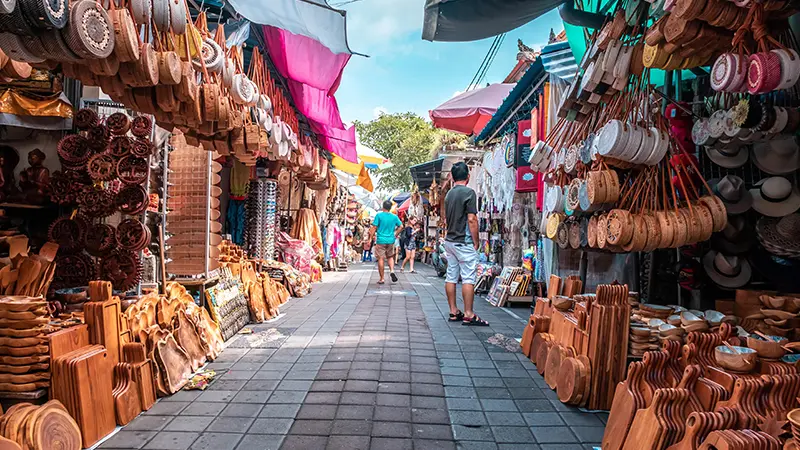
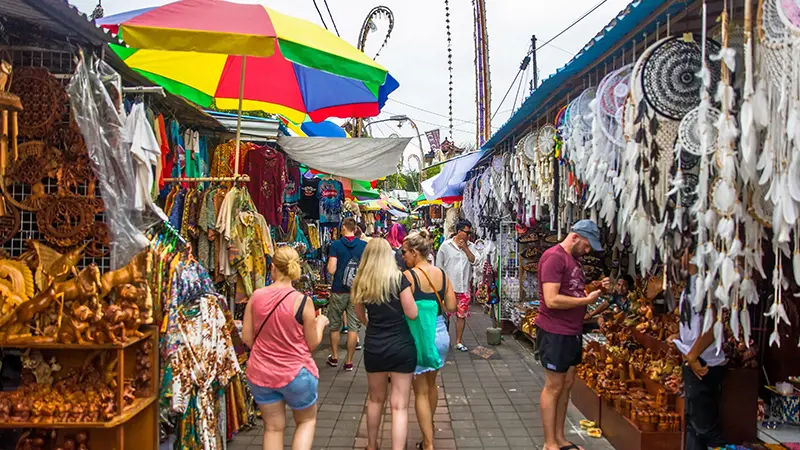
This bustling market is a treasure trove for souvenir seekers in Bodhgaya. The lively atmosphere, adorned with exotic Tibetan and Chinese food stalls, adds to its charm. Visitors can explore an assortment of handicraft articles reflecting Tibetan faith, including intricately crafted statues of Lord Buddha in materials like sandalwood and metal.
Run predominantly by individuals from Tibetan culture, the market invites engaging bargaining sessions, creating an enjoyable interaction between sellers and buyers. A visit to the Tibetan Refugee Market is a shopping experience and a cultural immersion, making it an essential and lively part of Bodhgaya’s offerings.
22. Archaeological Society of India
 Archaeological Society of India
23. Meditation Park
 Meditation Park
Conclusion
As travellers immerse themselves in the spiritual ambiance and historical wonders, Gaya becomes not just a destination but a transformative experience, leaving an indelible mark on the hearts of those who venture into its sacred embrace. So, don’t wait. Pack your bags for a wholesome Gaya Trip.
Frequently Asked Questions (FAQs)
Why Is Gaya Famous?
Gaya is famous for its cultural and religious significance. It is one of the most, popular pilgrimage sites for Hindus who perform Pind Daan which is a ritual for the salvation of ancestors. Moreover, there are many temples and spiritual heritage sites in Gaya. If someone is spiritually inclined then Gaya’s ambiance will the soul.
Why Is It Important To Do Pind Daan In Gaya?
If one wants to bring peace and salvation to the souls of one’s ancestors then it is very important to do Pind-Daan in Gaya. Pind Daan in Gaya is very crucial to Hindu traditions. According to Hindu tradition, Gaya is considered a sacred place where the performance of Pind Daan is said to ensure the spiritual well-being and liberation of departed souls.
Is Gaya Safe At Night?
Due to the presence of pilgrims and tourists, Gaya is a safe place to explore destinations on your own. As for safety at night, like any city, it’s advisable to take standard precautions. It’s recommended to be cautious and aware of your surroundings.
What Is The Distance From Gaya To Bodhgaya?
The distance from Gaya to Bodhgaya is approximately 15 kilometers.
Gaya vs. Bodh Gaya Which Is Best?
Gaya and Bodhgaya serve different purposes; Gaya is known for its Hindu rituals, while Bodhgaya holds immense importance in Buddhism as the place where Buddha attained enlightenment. The choice between them depends on one’s religious or cultural preferences.
Compare relevant packages and request a customised travel plan from the Namaste India Trip team.







Share your experience, ask a question, or leave useful tips for other travelers.