

About Gangotri Temple
There are many questions that come up while planning a journey to Gangotri Dham. To make your travel planning easier and hassle-free, we have gathered answers to the most frequently asked questions about visiting and travelling in Gangotri. This section provides useful information for travellers along with practical local insights to help you prepare better.
From travel routes and weather conditions to accommodation, registration, and essential tips—this Gangotri FAQ guide covers it all in one place. Get clear and updated answers to your queries and make your upcoming pilgrimage smooth and well-organized.Bottom of Form
Frequently Asked Questions (FAQs)
1What are the Gangotri Temple Darshan timings in 2026?
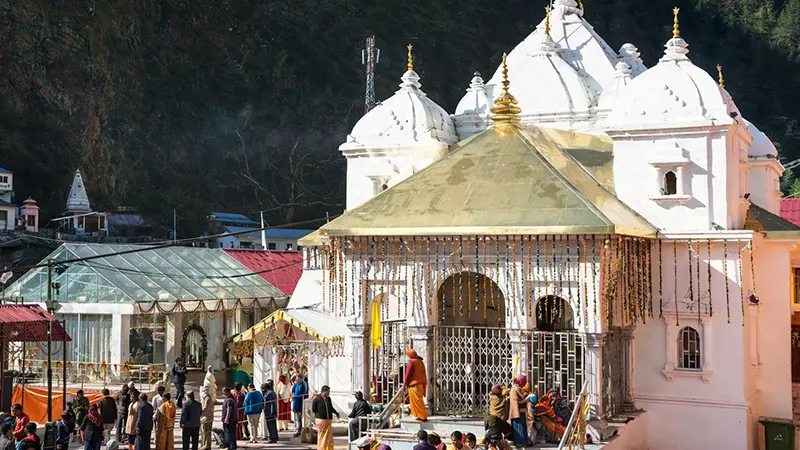
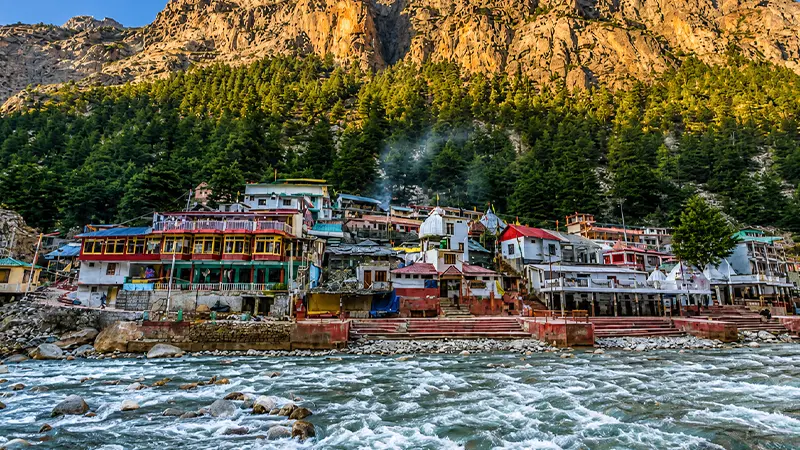
Gangotri Temple is open for Darshan from 6:15 AM to 2:00 PM and again from 3:00 PM to 9:30 PM. The brief midday closure (2:00–3:00 PM) is for the Bhog ritual. Evening Darshan, with the sound of the Bhagirathi River and Himalayan peaks turning golden, is an especially memorable experience at Gangotri.
2What time does Gangotri Temple open in the morning?
Gangotri Temple opens at 6:15 AM. The very first Darshan of the morning — before most Yatris arrive — is remarkably peaceful. If you are staying in Gangotri overnight, position yourself at the gate by 6:00 AM for a serene, crowd-free start to your day.
3What is the closing time of Gangotri Temple?
The temple closes at 9:30 PM after the evening Shayan Aarti. There is also a midday break from 2:00 PM to 3:00 PM. Evening Darshan (3:00 PM to 9:30 PM) includes the atmospheric riverbank Aarti as dusk settles over the Bhagirathi valley.
4What are the Aarti timings at Gangotri Temple?
Morning Aarti: 6:15 AM (upon temple opening). Bhog Aarti (midday): 2:00 PM (temple then closes until 3:00 PM). Evening Aarti: 6:30 PM–7:30 PM (Ganga aarti on the riverbank — not to be missed). Shayan Aarti: 9:00–9:30 PM. The riverbank Ganga Aarti in the evening is arguably the most visually stunning of all Char Dham Aartis.
5When did Gangotri Temple open in 2026 and when does it close?
Gangotri Dham Kapat opened on 19 April 2026, on the auspicious occasion of Akshaya Tritiya — the same day as Yamunotri. Uttarakhand CM Pushkar Singh Dhami personally announced the opening of both Gangotri and Yamunotri. The tentative closing date is 1 November 2026 (Diwali period). The deity then moves to Mukhba village for winter.
6Is Gangotri Temple open on Sundays and public holidays?
Yes, Gangotri Temple is open every day of the week throughout the Yatra season, including Sundays and public holidays. There are no weekly rest days at this shrine.
7When is Gangotri Temple closed?
Gangotri Temple closes around Diwali each year (tentatively 1 November 2026) and reopens on Akshaya Tritiya (April/May). During winter, the area at 3,415 metres is covered in heavy snow. The Goddess Ganga idol is ceremonially moved to Mukhba village, Uttarkashi, where worship continues through winter.
8Is there VIP Darshan at Gangotri Temple?
Gangotri does not have a formal VIP ticketing system. However, booking a special puja — Ganga Abhishek, Rudrabhishek, or a personalised Ganga Aarti — through the temple priests gives you dedicated priest time and a more intimate experience. Arriving early morning (before 7:00 AM) is the most practical way to ensure fast, unhurried Darshan at Gangotri.
9How do I book a puja at Gangotri Temple?
Unlike Kedarnath and Badrinath, Gangotri does not have a prominent centralised online puja booking portal. Arrangements are typically made in person — either at the temple on arrival or by contacting the Gangotri Mandir Samiti in advance. Your tour guide or hotel can also connect you with authorised temple pandas. Confirm puja rates upfront to avoid overcharging.
10What is the cost of Darshan and puja at Gangotri?
General Darshan at Gangotri is free. Puja costs: basic Ganga Puja from ₹500–₹1,000, Abhishek ₹1,100–₹2,100, Rudrabhishek ₹3,000–₹5,000 depending on the panda and services chosen. Always agree on rates before the puja begins and collect a written receipt. The temple trust is working on standardising puja rates — check for updates on the official Gangotri temple website.
11How much time does Darshan take at Gangotri Temple?
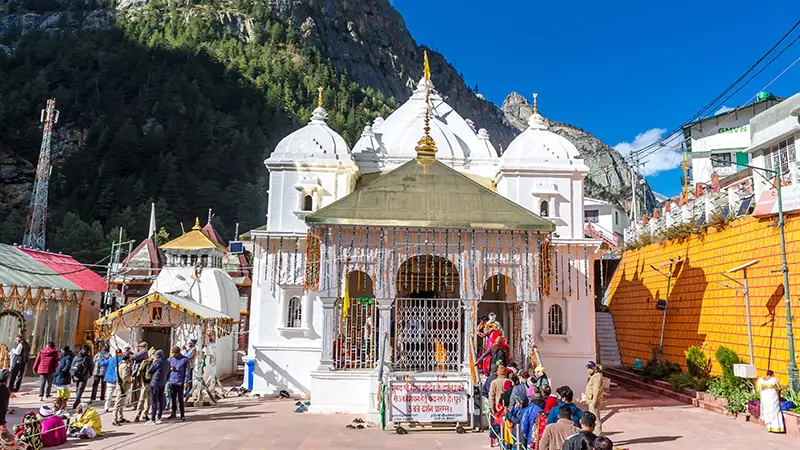
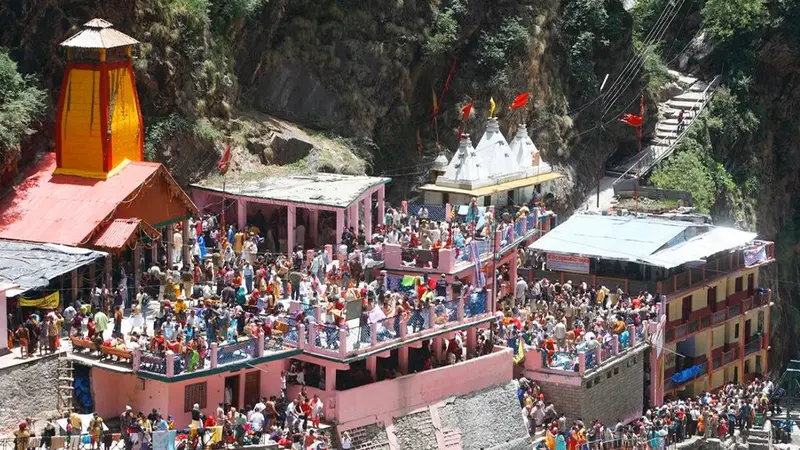
Gangotri is notably less crowded than Kedarnath or Badrinath, making it one of the most accessible Char Dhams for a peaceful Darshan. On normal days, Darshan takes 20–45 minutes. Even in peak season, a wait of more than 90 minutes is unusual. Arriving just after opening (6:15 AM) or during the evening session ensures the quickest Darshan.
12What is the best time to visit Gangotri Temple?
May–June (post Akshaya Tritiya) and September–October (post-monsoon) are ideal. June offers stable roads and beautiful pre-monsoon river flows. September is magnificent — the Bhagirathi runs clear and strong post-monsoon, the valley is lush, and Gangotri sees far fewer pilgrims than Kedarnath or Badrinath, making for a meditative and personal Darshan.
13Which month is best for Gangotri Darshan?
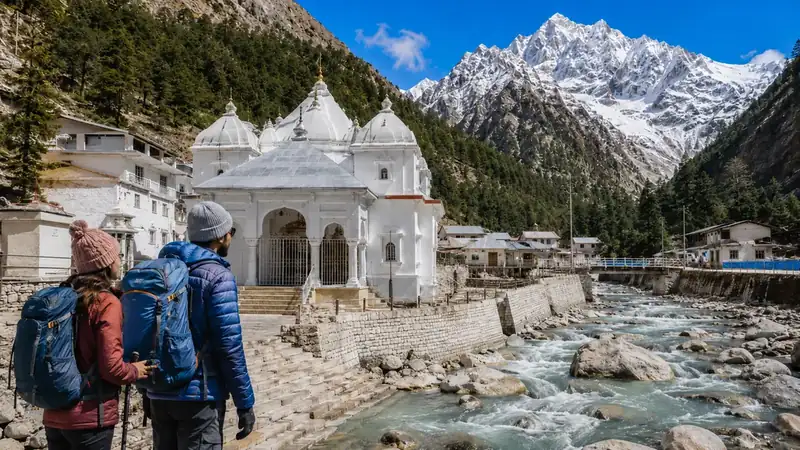
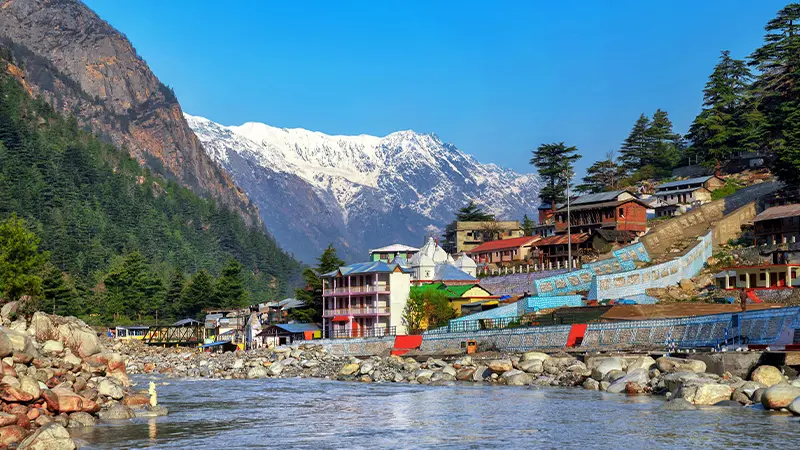
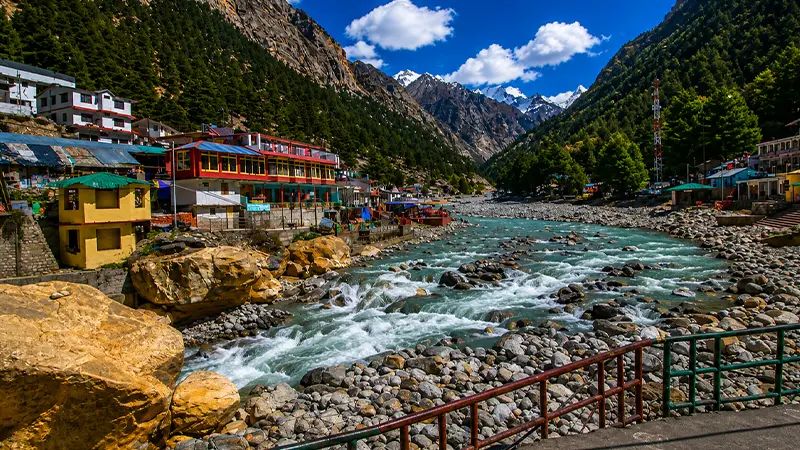
September stands out. The monsoon has cleared, the Bhagirathi River is at its most dramatic, and the Gangotri valley — surrounded by pine forests and snowcapped peaks — looks stunning. Combined with shorter queues and quieter accommodation, September offers the best overall experience at Gangotri.
14Is there a dress code for Gangotri Temple?
No strict dress code is enforced, but modest attire befitting a sacred site is expected. Avoid shorts, sleeveless tops, and revealing clothing. Given Gangotri's altitude of 3,415 metres, warm and layered clothing is a practical necessity — not just a recommendation. Even in May and June, temperatures can drop sharply in the evenings.
15Are mobile phones allowed inside Gangotri Temple?
Photography inside the main shrine sanctum is not permitted. Outside — at the temple courtyard, the Ghats, and along the Bhagirathi riverbank — photography is allowed and the scenery is breathtaking. Keep your phone on silent inside the temple and be respectful of the worship environment.
16How do I reach Gangotri Temple from Delhi, Haridwar, and Rishikesh?
From Delhi (~493 km): via Rishikesh → Devprayag → Srinagar → Tehri → Dharasu → Uttarkashi → Harsil → Gangotri. From Rishikesh (~265 km, 7–8 hrs) and Haridwar (~280 km, 8–9 hrs): same NH 34/NH 108 route through Uttarkashi. The road leads directly to the temple entrance — no trek required. Nearest railway station: Rishikesh. Nearest airport: Jolly Grant, Dehradun (~270 km).
17Is Char Dham registration required for Gangotri Yatra?
Yes, Char Dham Yatra biometric registration is mandatory for all Gangotri pilgrims. Register at registrationandtouristcare.uk.gov.in or at counters in Haridwar, Rishikesh, or Barkot. Carry the registration printout — it is checked at Dharasu, Uttarkashi, and at the entry to Gangotri.
18Are men and women both allowed in Gangotri Temple?
Yes. Gangotri Temple is open to all devotees regardless of gender, faith, or nationality. There are no restrictions on who can enter or attend the Aarti.
19What is Gangotri Temple famous for?
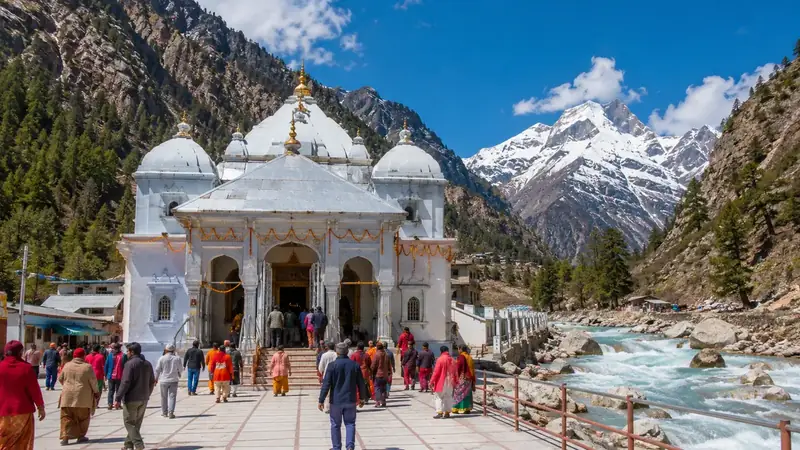
Gangotri is the sacred origin point of the Ganga River — one of the holiest rivers in the world — and one of the four Char Dham sites. The temple marks where King Bhagirath performed penance to bring the Ganga from heaven to earth. Gangotri is also the gateway to the Gaumukh glacier trek (the actual source of the Bhagirathi/Ganga), making it a destination for both pilgrims and trekkers.
20What are the places to visit near Gangotri?
Gaumukh Glacier (18 km trek, 4,023 m) — the literal source of Ganga; requires a permit from the Forest Department. Bhojbasa meadow (14 km, en route to Gaumukh). Harsil Valley (25 km) — famous for apple orchards and Wilson's cottage. Dayara Bugyal (28 km, stunning high-altitude meadow). Suryakund hot spring near the temple. Kedar Tal (17 km trek, 4,750 m) — a turquoise glacial lake.
21What is the history of Gangotri Temple?
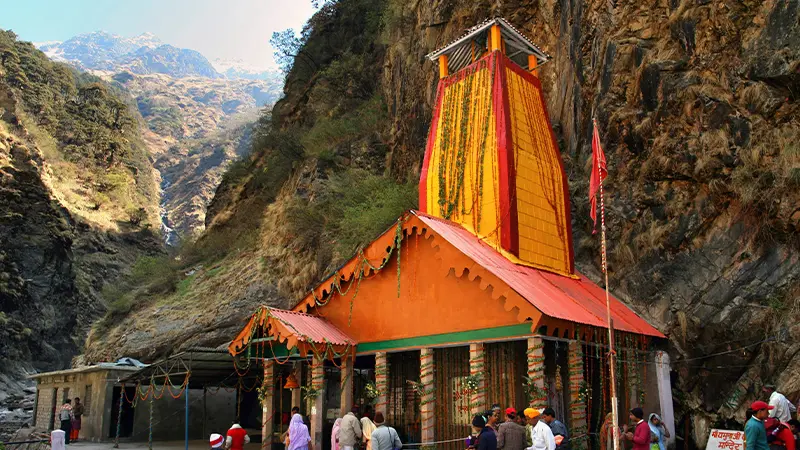
The Gangotri temple enshrines the mythology of King Bhagirath's penance to bring the Ganga to earth and Goddess Ganga's descent through Lord Shiva's matted locks. The current stone temple structure was built by the Gorkha General Amar Singh Thapa in the early 18th century and has been renovated multiple times since. The annual festival Gangotri Utsav sees special rituals on Akshaya Tritiya (opening day) and Diwali (closing day).
22Can pregnant women visit Gangotri Temple?
There are no religious restrictions. Since the road leads directly to the Gangotri temple (no compulsory trek), it is more accessible than Kedarnath or Yamunotri. However, the long mountain road journey and high altitude (3,415 m) should be carefully considered. A doctor's consultation before travel, hiring a private vehicle, and carrying personal medication are strongly recommended.
23What should I buy at Gangotri and what is special here?
The most important thing to carry from Gangotri is Ganga Jal — holy water collected from the Bhagirathi River in a clean copper or brass vessel. This water is considered supremely sacred and is used in homes for puja throughout the year. The local market sells Rudraksha beads, copper vessels, Himalayan herbs, woolen shawls, and various Prasad items.
24Is accommodation available near Gangotri Temple?
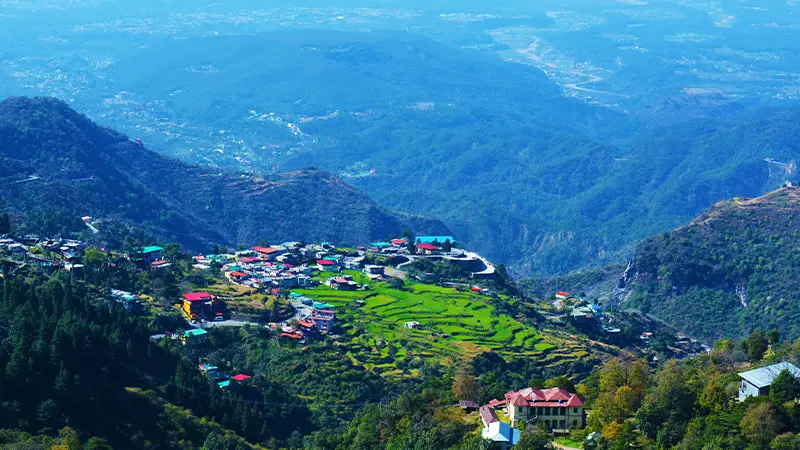
Yes. Gangotri town has Dharamshalas, guesthouses, and small hotels — basic but functional. The Gangotri Temple Trust operates a Dharamshala close to the temple for affordable stays. Harsil (25 km) and Uttarkashi (97 km) offer more comfortable hotel options and are preferred as base camps by many travellers. Book ahead for May–June peak season.
25How many days are needed to visit Gangotri?
minimum of 1–2 days for the temple visit. Day 1: Travel from Uttarkashi to Gangotri, Darshan, and overnight stay. Day 2: Morning Darshan, collect Ganga Jal, attend river Aarti, and depart. Add 2–3 more days if you plan to trek to Gaumukh. Most Char Dham packages allocate 2 nights for the Gangotri portion.
26Are tour packages available for Gangotri Dham?
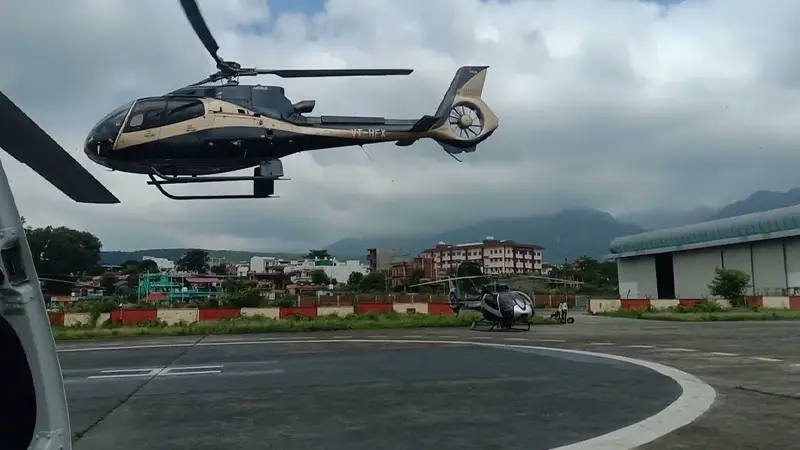
Yes — all standard Char Dham Yatra packages include Gangotri as the second stop. Do Dham (Yamunotri–Gangotri) packages are also popular for those with limited time. Helicopter packages for Gangotri are available (landing at Kharsali, 30 minutes from the temple). Packages from Delhi, Haridwar, and Rishikesh start from approximately ₹12,000–₹25,000 per person depending on mode of transport and accommodation.
27What are the rules for visiting Gangotri Temple?
Remove footwear before entering the temple. Maintain silence and decorum inside. No photography in the inner sanctum. Take a ritual rinse or dip at the Gangotri Ghat before Darshan — this is traditional and spiritually significant. Do not litter on the premises or trek route. Plastic bags and single-use plastics are restricted in the entire Gangotri area — a biodiversity-sensitive zone.
28Can we visit Gangotri during monsoon (July–August)?
Technically yes, but it is not recommended. The road between Uttarkashi and Gangotri is prone to landslides during July–August, and road blockages can be unpredictable. If you must travel in monsoon, keep 2–3 extra days as buffer, carry rain gear, and monitor BRTF road updates daily. September is a far more rewarding alternative.
Compare relevant packages and request a customised travel plan from the Namaste India Trip team.



Share your experience, ask a question, or leave useful tips for other travelers.