

- A Comprehensive Guide to Planning the Amarnath Yatra Overview
- History of Amarnath Yatra
- Importance and Significance
- Budget
- How to Book Amarnath Yatra
- Trekking Route
- Amarnath Yatra Registration
- Accommodation Options
- How to Reach
- Amarnath Yatra Route Map
- Best Time to Visit
- Travel Tips
- Frequently Asked Questions
- Conclusion
- Plan Your Trip
- Related Articles
- Related Tour Packages
- About the Author
- Was This Travel Guide Helpful?
Nestled in the heart of the majestic Himalayas, the Amarnath cave holds profound spiritual significance for millions of Hindus worldwide. The annual pilgrimage to this sacred site, known as the Amarnath Yatra, is a journey of faith, devotion, and self-discovery. In this comprehensive guide, we delve into the various aspects of the Amarnath Yatra, offering insights to help you choose the best package for your pilgrimage.
 A Comprehensive Guide to Planning the Amarnath Yatra - History of Amarnath Yatra
History of Amarnath Yatra
- Mythological Origins: According to Hindu mythology, the Amarnath Cave is believed to be the place where Lord Shiva, the Hindu deity, revealed the secret of immortality (Amar Katha) to his consort, Goddess Parvati.
- Discovery of the Cave: While the existence of the cave is mentioned in ancient texts, its re-discovery in modern times is credited to a Muslim shepherd named Buta Malik in the 19th century. As per folklore, Buta Malik was led to the cave by a saint who gave him a bag of coal, which turned into gold upon his return.
- Early Pilgrimages: Pilgrimages to the Amarnath Cave have been documented since ancient times, with references in texts like the Rajatarangini by Kalhana, dating back to the 12th century.
- Development of Infrastructure: Over the years, the pilgrimage route and infrastructure for the Yatra have been developed to accommodate the increasing number of pilgrims. This includes trekking routes, accommodation facilities, and medical aid stations.
- Significance in Modern Times: The Amarnath Yatra has gained immense popularity in modern times, attracting thousands of devotees from across India and around the world. It is considered one of the holiest pilgrimages in Hinduism.
- Challenges and Controversies: The Yatra has faced challenges and controversies over the years, including security concerns due to the region’s geopolitical situation and environmental issues arising from the large influx of pilgrims.
Importance and Significance
- Sacred Lingam: At the heart of the Amarnath Cave lies the ice Shivalingam, which symbolizes the presence of Lord Shiva, the Hindu deity associated with destruction and regeneration. This natural formation of ice, which waxes and wanes with the phases of the moon, is considered a divine manifestation of Lord Shiva’s cosmic energy. Devotees believe that witnessing the sacred lingam brings spiritual blessings and fulfillment.
- Mythological Legends: Amarnath is steeped in mythological legends, the most prominent being the tale of Lord Shiva revealing the secret of immortality to Goddess Parvati within the confines of the cave. This narrative, known as the Amar Katha, underscores the cave’s sanctity as a place of divine revelation and spiritual enlightenment.
- Salvation and Moksha: Hindu scriptures assert that undertaking the pilgrimage to Amarnath holds the promise of liberation from the cycle of birth and death (moksha). It is believed that by paying homage to Lord Shiva at this sacred site, devotees can attain spiritual emancipation and eternal bliss.
- Annual Yatra: The annual pilgrimage to Amarnath, known as the Amarnath Yatra, is a revered tradition observed by millions of devotees. The journey, often undertaken during the auspicious month of Shravan, is regarded as a sacred duty and an expression of unwavering devotion to Lord Shiva.
- Unity and Harmony: The Amarnath Yatra transcends religious boundaries, attracting pilgrims from diverse cultural backgrounds and faiths. It serves as a symbol of unity, fostering communal harmony and mutual respect among devotees who converge at the cave to seek divine blessings.
- Historical and Cultural Heritage: The historical and cultural significance of Amarnath is evident in its mention in ancient texts and scriptures, as well as its role in shaping the religious landscape of India. The cave’s discovery and rediscovery over the centuries have contributed to its mystique and allure, making it an integral part of India’s rich heritage.
- Natural Wonder: Apart from its religious and spiritual significance, the Amarnath Cave is also celebrated for its natural beauty and pristine surroundings. Nestled amidst the majestic Himalayan peaks, the cave provides a serene and awe-inspiring setting for devotees to connect with their spiritual essence.
Budget
The budget for the Amarnath Yatra can vary based on several factors, including transportation mode, accommodation preferences, and personal spending habits. Here’s a rough estimate to consider:
Transportation
- Helicopter Services: Helicopter tickets can range from approximately ₹2,000 to ₹6,000 per person for a one-way trip, depending on the route (Pahalgam or Baltal).
- Bus or Taxi Fare: If traveling by road from Srinagar to Pahalgam or Baltal, expect to spend around ₹500 to ₹1,500 per person for a one-way journey.
Accommodation
- Tents/Camps: Basic tent accommodations along the trekking route can cost anywhere from ₹500 to ₹1,500 per person per night.
- Base Camp Hotels: Budget hotels and guesthouses in Pahalgam and Baltal may range from ₹1,000 to ₹3,000 per room per night.
Food and Water
- Meals at langars (community kitchens) along the Yatra route are often provided free of cost. However, additional food expenses for snacks and drinks may amount to ₹500 to ₹1,000 per day.
Permits and Registration
- The registration fee for the Amarnath Yatra is typically around ₹100 per person.
- Other permits or fees may apply, such as the Compulsory Health Certificate (CHC), which can cost around ₹200 to ₹500.
Miscellaneous Expenses
- Miscellaneous expenses, such as personal toiletries, emergency medical supplies, and souvenirs, may add up to ₹500 to ₹1,000 or more, depending on individual preferences.
How to Book Amarnath Yatra
Booking for the Amarnath Yatra involves several steps, and pilgrims can choose between online and offline modes. Here’s how to book:
Online Booking
- Visit the official website of the Shri Amarnathji Shrine Board (SASB).
- Look for the section related to Yatra registration or booking.
- Fill out the registration form with necessary personal details and select your preferred Yatra route and date.
- Upload required documents such as Aadhar Card, Compulsory Health Certificate (CHC), and identity proof.
- Pay the registration fee online through the available payment options.
- Once the booking is complete, you will receive a confirmation along with any further instructions or permits required for the Yatra.
Offline Booking
- Pilgrims can visit designated bank branches (such as Punjab National Bank, Jammu and Kashmir Bank, Yes Bank) to complete the registration process offline.
- Obtain the registration form from the bank and fill it out with required details.
- Submit the form along with necessary documents (Aadhar Card, CHC, identity proof) at the bank.
- Pay the registration fee at the bank counter and collect any relevant permits or receipts provided.
Helicopter Booking
- If opting for helicopter services, pilgrims can book tickets online through the official website of SASB or through authorized helicopter operators.
- Provide necessary details such as passenger information and preferred date and time for the helicopter ride.
- Pay the helicopter fare online through available payment methods.
- Once booked, ensure to carry the e-ticket or confirmation details for the helicopter ride.
Guided Tours
- Some travel agencies offer guided tours for the Amarnath Yatra, which include transportation, accommodation, permits, and other necessary arrangements.
- Pilgrims can book these tours through the respective travel agencies by following their booking procedures.
Duration
The duration of the Amarnath Yatra typically varies depending on the route taken and individual preferences. Here’s a general overview:
Trekking Route (Pahalgam or Baltal)
- The traditional trekking route from Pahalgam to the Amarnath Cave usually takes around 4 to 5 days to complete.
- Pilgrims typically make overnight stops at designated campsites along the way, such as Chandanwari, Sheshnag, and Panchtarni.
- The duration of the trek can be adjusted based on the pace of the pilgrim and their need for rest and acclimatization.
Helicopter Route
- Helicopter services are available from Pahalgam and Baltal, offering a faster but shorter journey to the cave.
- The helicopter ride itself typically takes around 10 to 15 minutes, depending on the weather conditions and air traffic.
- Pilgrims may spend a few hours at the cave for darshan (worship) before returning to the base camp or continuing their journey.
Overall Duration
- Considering travel to and from the base camp, the duration of the Amarnath Yatra can range from a minimum of 2 to 3 days for those opting for helicopter services to around 5 to 7 days for pilgrims trekking the entire route.
- This duration includes travel time, accommodation at base camps or en route campsites, darshan at the Amarnath Cave, and any additional rest or sightseeing activities.
Amarnath Yatra Registration for 2026
The registration process for the Amarnath Yatra in 2026 is vital to ensure a smooth and safe pilgrimage. Here’s a brief overview of the registration details:
- Starting Date: 11th April 2026
- Last Date: May 2026
- Registration Fee: ₹100 per person
- Documents Required: Aadhar Card, Medical Fitness Certificate
- Registration Process:
- Online Registration:
- Visit the official website https://jksasb.nic.in/.
- Click on the ‘Register’ button and follow the instructions.
- Fill in the registration form with personal details, choose the Yatra route and date.
- Upload required documents and pay the registration fee online.
- Offline Registration:
- Visit designated bank branches (Punjab National Bank, Jammu and Kashmir Bank, Yes Bank) for offline registration.
- Complete the registration process at the bank by submitting required documents and paying the fee.
- Official Websites:
Accommodation Options
Accommodation options in Amarnath cater to the needs of pilgrims during the Yatra season. Here are the main types of accommodations available:
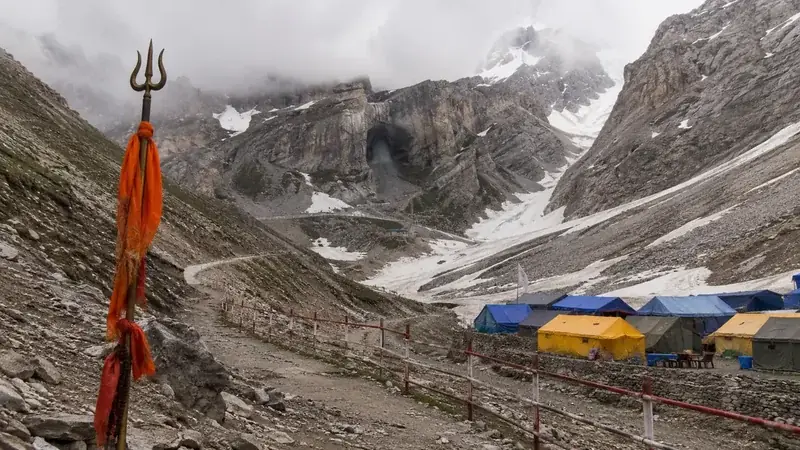
 Amarnath Yatra Base Camp
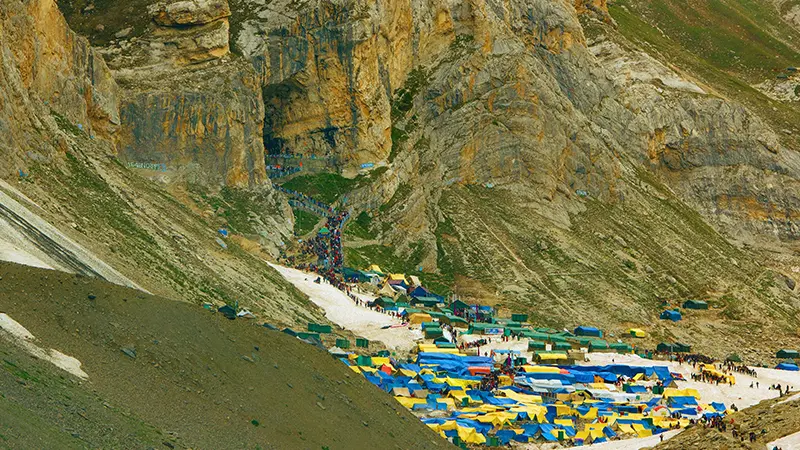
Tents and Camps
- Along the Yatra route, temporary tented accommodations are set up at various locations, providing basic facilities like bedding, blankets, and meals.
- These campsites are managed by government authorities and private vendors and offer a convenient resting place for pilgrims during their journey.
Base Camps
- Pahalgam and Baltal serve as the primary base camps for the Amarnath Yatra.
- Accommodation options at these base camps include guesthouses, lodges, and budget hotels, ranging from basic to moderately comfortable facilities.
- These accommodations offer a comfortable stay before and after the trek to the Amarnath Cave.
Helicopter Camps
- For pilgrims opting for helicopter services to reach closer to the cave, temporary campsites are set up near the helipads in Pahalgam and Baltal.
- These camps provide basic facilities for pilgrims awaiting their turn for helicopter rides, including shelter, seating areas, and refreshments.
Hotels and Resorts
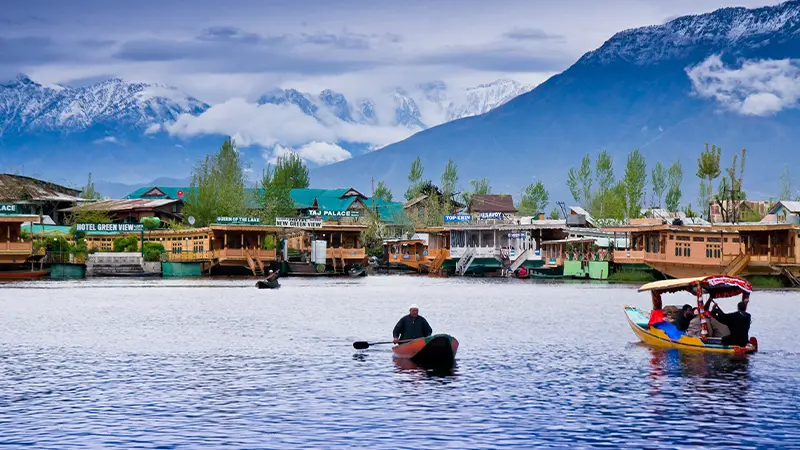
- In Srinagar and other nearby towns, there are hotels and resorts offering various levels of comfort and amenities.
- Travelers can choose from a range of options, including budget hotels, mid-range accommodations, and luxury resorts, depending on their preferences and budget.
Dormitories and Dharamshalas
- At some locations along the Yatra route, dormitory-style accommodations and Dharamshalas (guesthouses) are available for pilgrims seeking affordable lodging options.
- These facilities offer shared accommodation and communal facilities, suitable for budget-conscious travelers.
Private Tents
- Some private tour operators offer luxury camping experiences with well-equipped tents, comfortable bedding, and personalized services.
- These private tents provide a more luxurious and exclusive accommodation option for travelers willing to pay a premium.
How to Reach
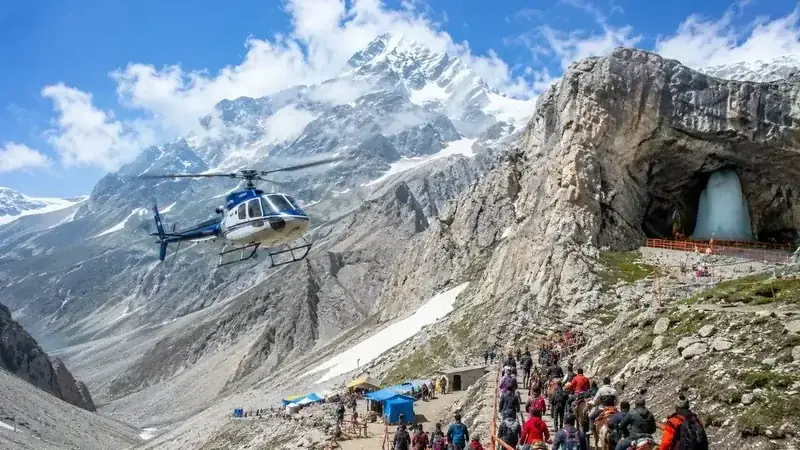
 Amarnath Yatra by Helicopter
Air Travel
- The nearest airport to Amarnath is in Srinagar, Jammu and Kashmir.
- From Srinagar Airport, travelers can hire taxis or use government buses to reach either Pahalgam or Baltal, the two main base camps for the Amarnath Yatra.
- Helicopter services are available from Srinagar to Pahalgam or Baltal for those seeking a quicker and more convenient mode of transport.
Rail Travel
- The closest major railway station to Amarnath is in Jammu, which is approximately 178 kilometers away.
- From Jammu Railway Station, travelers can take buses or hire taxis to reach Pahalgam or Baltal.
- The road journey from Jammu to Pahalgam or Baltal takes around 6-7 hours, depending on road conditions.
Road Travel
- Road connectivity is available up to Pahalgam and Baltal from nearby cities like Srinagar and Jammu.
- Private taxis, buses, and shared cabs ply regularly between Srinagar/Jammu and Pahalgam/Baltal.
- The road journey involves traversing through picturesque valleys and mountainous terrain, offering stunning views along the way.
Helicopter Services
- Helicopter services operate from both Pahalgam and Baltal during the Amarnath Yatra season.
- These helicopters provide a quick and convenient option for pilgrims who wish to avoid the strenuous trek.
- Helicopter tickets need to be booked in advance, and availability may vary depending on demand and weather conditions.
Trekking
- Trekking is a traditional and popular way to reach Amarnath Cave for pilgrims.
- The trek usually starts from either Pahalgam or Baltal and involves multiple halts at designated campsites along the route.
- Trekking offers pilgrims the opportunity to immerse themselves in the natural beauty of the Himalayan landscape and experience the spiritual journey firsthand.
Amarnath Yatra Route Map
The Amarnath Yatra route map typically outlines the journey pilgrims undertake to reach the sacred Amarnath Cave. Here’s an overview of the key points along the route:
- Starting Points: The two main starting points for the Yatra are Pahalgam and Baltal. Pilgrims can choose either route based on their preference and convenience.
- Pahalgam Route: This route is longer but more scenic. It usually involves a trek of about 45 kilometers, with overnight stops at Chandanwari, Sheshnag, and Panchtarni before reaching the Amarnath Cave.
- Baltal Route: The Baltal route is shorter but more challenging. It covers a distance of approximately 14 kilometers and can be completed in a shorter duration. However, it involves steep terrain and is recommended for experienced trekkers.
- Key Stops: Along both routes, pilgrims encounter significant stops such as Chandanwari, Sheshnag, and Panchtarni, where facilities like accommodation, food, and medical aid are available.
- Amarnath Cave: The ultimate destination of the Yatra is the Amarnath Cave, located at an altitude of 3,888 meters. This is where the ice lingam, symbolizing Lord Shiva, is worshipped by devotees.
- Helicopter Services: In addition to trekking, pilgrims have the option to use helicopter services to reach closer to the cave. Helipads are located at Baltal and Pahalgam, providing convenient access for those unable to trek the entire route.
Best Time to Visit
The Amarnath Yatra takes place annually during the Hindu month of Shravan, typically falling between June and August. The pilgrimage season is determined by the Amarnath Shrine Board, taking into account weather conditions, safety considerations, and the accessibility of pilgrimage routes. The ideal time to visit is usually in July when the weather is relatively stable, and the pilgrimage routes are open for yatris.
Weather
- Summer (March – June): Mild temperatures (10°C – 20°C) with occasional rainfall, ideal for trekking.
- Monsoon (July – September): Heavy rainfall, fog, and mist, making trekking challenging. Temperatures range from 5°C to 15°C.
- Autumn (October – November): Cooler temperatures (5°C – 10°C) and clearer skies, suitable for quieter trekking experiences.
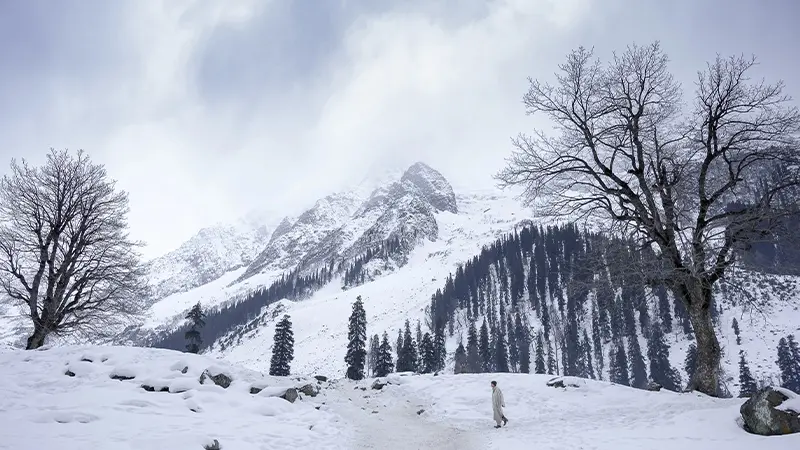
- Winter (December – February): Harsh conditions with heavy snowfall. Daytime temperatures range from -5°C to 5°C, dropping below freezing at night. Trekking is not recommended.
Travel Tips
- Register in Advance: Ensure timely registration for the Yatra through the official channels to avoid any last-minute hassles.
- Plan Your Route: Choose between the Pahalgam and Baltal routes based on your convenience and physical fitness level.
- Pack Essentials: Carry warm clothing, rain gear, sturdy trekking shoes, sunscreen, sunglasses, and a first aid kit.
- Stay Hydrated: Drink plenty of water to stay hydrated, especially during the trek, and avoid altitude sickness.
- Acclimatize: Spend a day or two at the base camp to acclimatize to the altitude before starting the trek.
- Follow Safety Guidelines: Adhere to safety instructions provided by authorities, especially during challenging sections of the trek.
- Respect the Environment: Keep the surroundings clean and avoid littering. Dispose of waste responsibly.
- Stay Informed: Stay updated on weather forecasts, route conditions, and any advisories issued by authorities.
- Respect Local Customs: Respect local customs and traditions, including religious practices, during your journey.
- Emergency Contacts: Keep emergency contacts handy and inform family or friends about your itinerary.
- Travel Insurance: Consider purchasing travel insurance to cover medical emergencies and trip cancellations.
- Listen to Your Body: Pay attention to your body’s signals and pace yourself during the trek. Rest when needed and seek medical assistance if required.
Frequently Asked Questions (FAQs)
What is the Amarnath Yatra?
The Amarnath Yatra is an annual pilgrimage to the Amarnath Cave in Jammu and Kashmir, India, where devotees seek blessings of Lord Shiva.
When does the Amarnath Yatra take place?
The Yatra usually takes place during the months of July and August, coinciding with the Hindu month of Shravan.
What is the significance of the Amarnath Cave?
The cave houses an ice stalagmite structure that is believed to symbolize Lord Shiva, making it a significant pilgrimage site for Hindus.
What are the different routes for the Amarnath Yatra?
There are two main routes: Pahalgam and Baltal. The Pahalgam route is longer but more scenic, while the Baltal route is shorter and more challenging.
Is registration mandatory for the Amarnath Yatra?
Yes, registration is mandatory for all pilgrims undertaking the Yatra. It can be done online or offline through designated banks.
Are there age restrictions for the Yatra?
Generally, pilgrims aged between 13 and 75 years are allowed to undertake the Yatra. Pregnant women beyond six months are not permitted.
What documents are required for registration?
Documents such as Aadhar Card, Compulsory Health Certificate (CHC), and identity proof are required for registration.
Is the Yatra safe?
The safety of pilgrims is a priority, and authorities take measures to ensure security and medical assistance along the route.
What should I carry during the Yatra?
Essential items include warm clothing, rain gear, trekking shoes, first aid kit, identity documents, and any prescribed medications.
Can I undertake the Yatra alone?
It is advisable to undertake the Yatra in groups for safety reasons. Solo pilgrims should exercise caution and follow safety guidelines.
In conclusion, the Amarnath Yatra is not merely a journey of physical endurance but a spiritual quest of profound significance. By choosing the right package and adequately preparing for the journey, pilgrims can embark on this sacred pilgrimage with devotion, reverence, and a deep sense of purpose, seeking blessings and enlightenment in the presence of the divine.
Compare relevant packages and request a customised travel plan from the Namaste India Trip team.








Share your experience, ask a question, or leave useful tips for other travelers.