

A visit to a National Park takes one backwards in time, to eons when humans treaded in harmony with the rhythms of Mother Nature. The difference an intimate life with the nature makes to the quality of one’s life has to be experienced to be known. Poets romanticize the sagas of their beautiful trysts with nature’s mysteries; painters immortalize the myriad hues of its magic in their portraits; nature lovers from all walks of life find their hearts opening to receive the offerings of the sky-high trees, the cacophony of chirping birds and the desolate longing of lone wilderness. Whomever you wish to get to close to – Mother Earth, your own soul, or even God – Nature offers the easiest passport to your destination.
A visit to Keoladeo National Park which boasts of an astonishing array of plants, animals and birds as part of its ecosystem in the Indian state of Rajasthan is no exception. One might know it by its rather popular previous name as Bharatpur Bird Sanctuary. As its old name suggests, the park is most known for its staggering diversity of birds, ornithologists have reported about 230 species of birds within the Park premises.
Location
- The National Park adorns the city of Bharatpur in Rajasthan.
History
A Shiv temple is situated in the midst of its jungles. In fact the park has been named after the same. The park derives its origin to nearly two hundred years ago when the rulers of Bharatpur used it as hunting ground. Later British Viceroys employed the ecologically rich land within the park for the same purpose. It was in 1976 that the Park received its official designation as a bird sanctuary. In 1982, the stature of the park was elevated as a national Park. In 1985, UNESCO declared it as a World Heritage Site.
Geography
The governance and maintenance of the Park rests with Rajasthan Tourism Development Corporation. The park sprawls to an area of 29 square kilometers. One third of its land comes under the category of wetlands. The Wetland of the Park is a part of the larger Indo-Gangetic Great plains. It testifies to one of the miracles of Mother Nature to engender such a fecund land in the midst of a largely arid region. In fact, the park is as noteworthy for its diversity of plants as for its wildlife. Of the 379 plant species that grow here, 96 comes under the category of wetland species. Tropical dry deciduous trees along with dry grasslands form its principal vegetation. One can effectively call the park as a fresh water swamp, with its wetland limited to ten sq.km when it is not raining. During monsoon, most of the land within the park is flooded with water levels going up to 2m. The park dries up during the hot summer months.
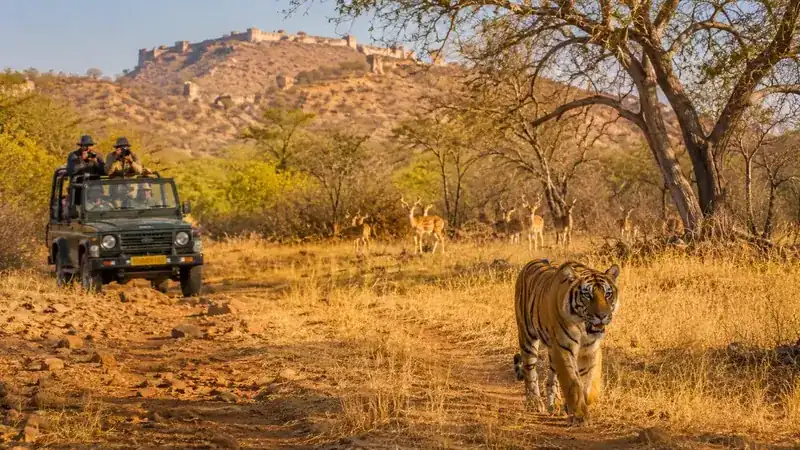
Macro invertebrates like worms, mollusks, and insects abound the region. This serves their inevitable role in the food-chain feeding the larger animals and birds. Herons, storks, migrant ducks also find themselves in their ideal habitat within the park premises. Greater spotted eagle, imperial eagle, short-toed eagle are also easily reported in its skies. Sambars, Indian mongoose, hyenas, civets, jackals etc. form few of the 27 mammal species found within the Park. Of strategic ecological importance are its many species of fishes, as they serve as food for the multitudes of birds within the Park, 43 to be precise, 37 of which enter its premises via water from Ajan Bund while six are its resident breeds. As many as 65 million fishes occupy the park during the monsoon showers. Wildlife catalogues lists about seven species of turtles, seven amphibian species, five lizard species and thirteen snake species within the land.
It is a cause of great disappointment that licentious hunting by nomads has caused the once found Siberian cranes to go extinct in the region. The park allowed access for cattle previously; the practice has been later revoked by the Park authorities. This has lead to fostering of widespread resentment by the local population and even lead to violent clashes in 1982. The government continues its stance on banning although Bombay Natural History Society has advised for letting limited grazing within the park premises. Grazing is known to have certain favorable effects for the ecological balance too, but revoking the law presents legal hurdles for the Government.
What to Do
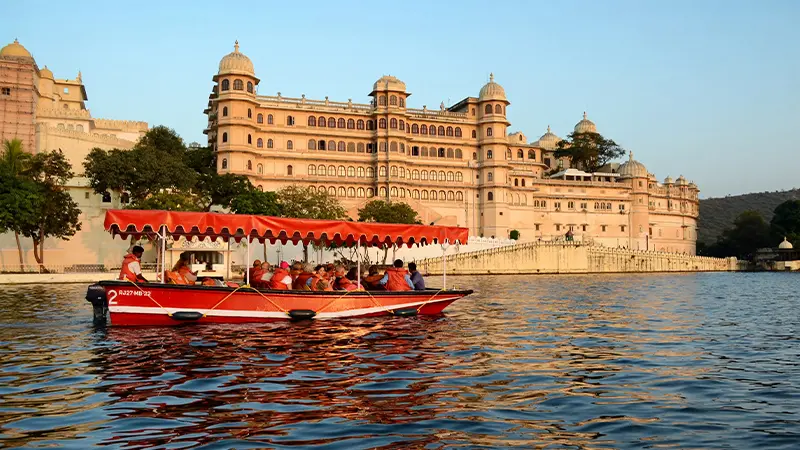
Bird watching! Bird watching! Bird watching! And, some more! Remember to carry cameras in hand. You would not want to miss recording all the diverse bird species you some across in your tour. Bikes and bicycles are available for hire at the park entrance. One can ride on a boat or hire a Tonga during the monsoons. Prepare to enrich your knowledge of the region with your efficient rickshaw puller acting as a tourist guide too letting you into his treasure-house of information into the land’s topographical features, flora and fauna. The elite opt to indulge in the luxury tickets on the Palace on Wheels, a tourist train service functioning under IRCTC.
Eat, Drink, Collect
One can easily buy food and snacks within the Park premises. There is a canteen at the second gate of the National Park that serves good food. Or else, head to Bharatpur Forest Lodge.
Provision for accommodation can be found at the Bharatpur Forest Lodge, Circuit Office, Dak Bunglow and Shanti Kutir. Many resorts and three star hotels function close enough to the Park premises to cater to the rising tourist population.
Best Time to Visit
The park offers the best of itself during the winters. It is thus ideal to visit the Park in between October-February. The park remains open from sunrise till sunset 365 days of the year. While the Park charges a nominal 25 Rs per person as entry fee for Indian nationals, foreign nationals are charged Rs 200 for access within the Park area.
How to Reach
If by air, one needs to deboard the plane at Agra Airport. It is about 56 kilometers from the Park. For international visits, Delhi International Airport would prove the nearest. It is about 184 kilometers from Delhi. The railway station at Bharatpur falls on the Mumbai-Delhi route, thereby being well connected to most Indian cities.
Once you are within the city, you can avail of the many modes of public transport to travel. Do not forget to explore the city by hiring a bicycle; this will save you a lot of time in not having to find your way through congested traffic jams.
Compare relevant packages and request a customised travel plan from the Namaste India Trip team.







Share your experience, ask a question, or leave useful tips for other travelers.