

- India Travel Advice & Safety
- India travel advisory 2026: what the US, UK, Canada and Australia say
- Is India safe for tourists in popular destinations?
- The real risks tourists face in India
- Is India safe for solo female travellers?
- Laws and permits that catch tourists out
- How to prepare for a safe trip to India
- India travel safety tips and mistakes to avoid
- Frequently asked questions
- Key Takeaways
- Related Articles
- Related Tour Packages
- About the Author
- Was This Travel Guide Helpful?
India is safe for tourists who plan sensibly. That is also where the official advice of the US, UK, Canada and Australia lands once you read past the headlines. None of these four governments tells travellers to avoid India as a whole, but all of them ask for more care than at home, and they flag the same regions: mainly Jammu and Kashmir, the India-Pakistan border area and Manipur.
The everyday risks are smaller. Scams around stations and monuments, night driving on highways and unsafe water are the ones to prepare for, and women should also expect unwanted attention, which all four advisories address.
Quick answer: India is generally safe for foreign tourists on the main routes, including the Golden Triangle (Delhi, Agra, Jaipur), Goa, Kerala and the Himalayan hill states. The US rates India Level 2 of 4 ("Exercise Increased Caution"), and Canada and Australia advise a high degree of caution. Avoid Jammu and Kashmir, the Pakistan border area and Manipur. In an emergency, dial 112.
India travel advisory 2026: what the US, UK, Canada and Australia say
| Government | Overall advice | Areas to avoid or reconsider |
|---|---|---|
| United States | Level 2 of 4, Exercise Increased Caution (crime, terrorism) | Do not travel: Jammu and Kashmir, India-Pakistan border, Manipur, parts of central and east India |
| United Kingdom | No single level; advises against travel to parts of India | All travel: Jammu and Kashmir (except flights to and within Jammu city), within 10 km of the Pakistan border. All but essential: Manipur |
| Canada | High degree of caution (terrorism) | Avoid all travel: Jammu and Kashmir (not Ladakh), within 10 km of the Pakistan border. Avoid non-essential: Manipur, the cyclone-hit Andhra coast |
| Australia | High degree of caution (terrorism, civil unrest, crime) | Do not travel: Jammu and Kashmir, the Pakistan border. Reconsider: Manipur, Nagaland, Assam outside Guwahati, Chhattisgarh |
UK, Canadian and Australian advice last checked on 30 October 2026.
The UK says your travel insurance could be invalidated if you travel against its advice, so read your policy before booking any listed area. Canada and Australia treat Ladakh separately from Jammu and Kashmir. Canada also reports that the Attari-Wagah border crossing is currently closed.
The Maoist (Naxalite) groups named in these advisories operate mainly in rural and forested districts, and Canada says tourists are not usually targeted. Expect tighter security, and stay alert, around Republic Day (26 January), Independence Day (15 August), Diwali and Eid.
Is India safe for tourists in popular destinations?
Yes, on the main tourist circuits. The UK notes that security has been strengthened at major hotels and transport hubs. What you will meet most is commercial pressure from touts and commission shops.
| Destination | What to watch for | What helps |
|---|---|---|
| Delhi | Ticket and tour touts at railway stations; touts around Chandni Chowk; winter smog | Metro, app cabs, prepaid airport taxis |
| Agra | Unofficial guides near the Taj Mahal; "the Taj is closed today" stories | Buy tickets online; use guides with official badges |
| Jaipur | Gem and textile "export" schemes | Refuse any resale offer |
| Varanasi | Confusing ghat lanes, persistent touts, fake holy men asking for donations | Agree prices before any boat ride |
| Goa | Drink spiking at parties, riptides, two-wheeler accidents | Watch your drink; swim where lifeguards are posted |
| Mumbai | Pickpockets on rush-hour local trains | Avoid peak trains; keep bags in front |
| Rishikesh | Strong river currents; reported misconduct at some yoga schools | Research any retreat; stay out of fast water |
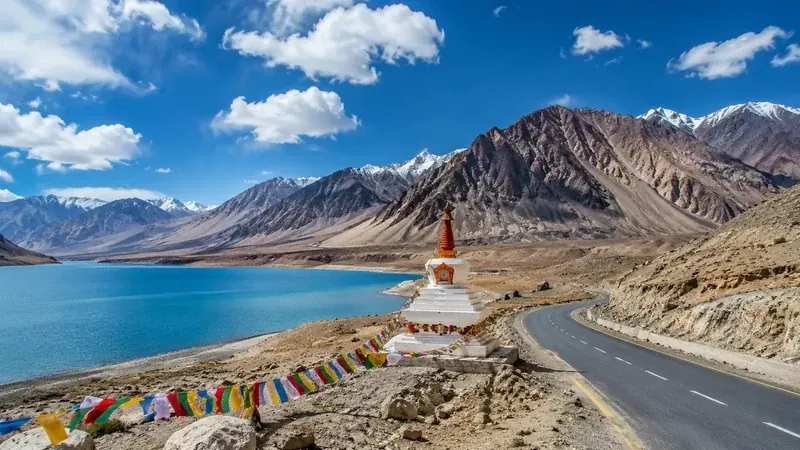
| Ladakh and Himalayan states | Altitude sickness, landslides, limited rescue | Acclimatise; insure for altitude and helicopter rescue |
Safest places in India for first-time visitors
India has no official safety ranking of states. For a first trip, travel companies most often suggest the Golden Triangle, Rajasthan, Kerala and Goa, where tourist transport and hotels are well established.
The real risks tourists face in India
Common tourist scams in India
The UK describes confidence scams and card skimming as common. Most follow a few scripts:
- People at railway stations selling tickets and tours, which the UK says to avoid
- A driver who says your hotel is closed and takes you to one that pays him commission
- Gem, jewellery or carpet "export" deals that promise resale profit abroad
- Fake guides, or a driver holding a placard with your name who can't say where you're going
- Touts outside government offices such as the FRRO offering faster service for a fee
Book through official websites. Walk away from anyone who approaches you first with a deal.
Drink spiking and methanol
The UK, Canadian and Australian governments all report travellers robbed or assaulted after taking spiked drinks or food. Refuse snacks and drinks from new acquaintances, including on trains. The UK also warns that methanol in poorly made alcohol can kill and cannot be detected by taste or smell, so stick to sealed, branded drinks from licensed bars.
Theft, crowds and card fraud
Thieves on motorbikes snatch bags. Pickpockets work markets, stations and overnight trains, and Australia warns of ATM skimming and counterfeit notes, so use machines inside banks and check large notes. Strikes (bandh or hartal) can shut roads at short notice, and stampedes have killed people at large religious gatherings.
Roads and transport
Road travel is where you have least control. The UK notes that India has a high death rate from road accidents and advises against travelling at night and in fog. In cities, use app cabs (Uber, Ola) or prepaid taxis rather than hailing on the street, and lock your bag to the berth on overnight trains.
Health
Drink sealed or filtered water only. Rabies is present, so keep away from stray dogs and monkeys and get any bite or scratch treated quickly; Canada reports counterfeit ABHAYRAB rabies vaccine in some major cities, which is a good reason to choose a reputable hospital. Dengue spreads widely after the monsoon. Big-city hospitals can be good, while rural care is limited.
Beaches and treks
Most beaches have no warning flags or lifesaving equipment, and people drown in rip currents every year. Mountains carry a different risk. According to the UK, commercial ground-based rescue teams generally don't operate from bases above 3,000 m, though commercial helicopters do, so your insurance should cover altitudes over 2,400 m and helicopter rescue. Learn the symptoms of altitude sickness before you go, and trek with a registered guide.
Is India safe for solo female travellers?
Yes, but plan arrivals and stays more carefully than you would at home. The UK reports that female travellers often face verbal and physical harassment and that British women have been sexually assaulted in several states. Canada asks women to be particularly vigilant in Goa and Delhi, on public transport, and at ashrams and yoga centres.
What helps on the ground:
- Arrive in daylight, with the first night and airport pickup booked
- Choose stays with recent reviews from solo women
- Use the women-only coach on the Delhi Metro and women-only carriages on trains
- Share live location from app cabs, and avoid isolated beaches and unlit streets
- Dress modestly in temples and rural areas, and research any ashram before booking
- Save the women's helplines, 1091 and 181
Is India safe for tourists travelling alone?
Yes. Solo travellers of any gender face the same scams, and two habits help most: avoid empty streets late at night, and turn down food or drink from strangers.
LGBTQ+ travellers
Same-sex relationships are legal in India; same-sex marriage is not. The UK notes a risk of harassment, especially outside big cities.
Laws and permits that catch tourists out
- Satellite phones and satellite GPS devices are illegal without a licence, even in transit. The UK says British nationals have been arrested for carrying them.
- According to the UK, alcohol is banned in Bihar, Gujarat, Mizoram, Nagaland and Lakshadweep, with prison sentences of 5 to 10 years, and drinking in public places is illegal everywhere.
- Vapes and e-cigarettes are banned, including bringing them into the country.
- Photographing military sites, airports and dams is prohibited.
- Some areas, particularly tribal areas in the north-east, need a Protected or Restricted Area Permit, and Australia warns of heavy penalties for entering without one. The Ministry of Home Affairs publishes the current list and rules.
- Several states restrict beef. Carry your passport and visa at all times.
How to prepare for a safe trip to India
- Read your government's advisory for every state on your route, and register your trip if your country offers it (STEP for US citizens).
- Check your eligibility and apply for an e-Visa only on the official Indian Visa Online portal (indianvisaonline.gov.in), at least four days before arrival. Australia notes that not every international airport accepts e-Visa arrivals, so confirm yours.
- File the free e-Arrival Card online within 72 hours before landing, on the official portal or the Indian Visa Su-Swagatam app. It has been mandatory for foreign nationals and OCI cardholders since 1 October 2025.
- Buy insurance that covers medical evacuation, plus altitude and helicopter rescue if you're trekking.
- Pre-book your first night and airport transfer.
- See a travel clinic around six weeks before departure, as Canada recommends.
Emergency and helpline numbers in India
| Number | Service |
|---|---|
| 112 | National emergency line for police, fire and ambulance (also the 112 India app) |
| 100 / 101 / 102 | Police / fire / ambulance |
| 1363 or 1800-11-1363 | Ministry of Tourism helpline, toll free, 24x7, in English, Hindi and 10 foreign languages |
| 1091 and 181 | Women's helplines |
| 1930 | Cybercrime helpline for online and card fraud |
| 139 | Indian Railways help on a train |
After any theft or scam, get a police report. Your insurer will want it, and you need one for an exit visa if your passport is lost.
India travel safety tips and mistakes to avoid
- Carry small notes. Shortchanging is easier when you hand over large ones.
- If a card machine offers to charge in your home currency, choose rupees; the conversion usually costs more.
- Many small vendors take only UPI, and foreign visitors can use it through UPI One World prepaid wallets in approved apps.
- Ride apps work with a local SIM, but expect no signal on many mountain routes.
Frequently asked questions
Is India safe for American and British tourists?
Yes, outside the areas their governments warn against. The US rates India Level 2, "Exercise Increased Caution", and the UK advises against travel only to parts of the country. Travelling against that advice could invalidate your insurance, so check your policy.
Is Delhi safe for tourists?
Yes, for daytime sightseeing with normal city precautions. Use the Metro or app cabs, ignore touts at railway stations, and avoid quiet areas late at night.
Is Goa safe for tourists?
Yes. Watch for drink spiking at parties, rip currents on unguarded beaches and late-night two-wheeler accidents.
Which parts of India should tourists avoid?
Jammu and Kashmir, the Pakistan border area and Manipur. Australia also asks travellers to reconsider Nagaland, Assam outside Guwahati and Chhattisgarh.
Is Kashmir safe for tourists?
All four governments warn against travel to Jammu and Kashmir. Ladakh is assessed separately, so check its status before booking Leh.
Do tourists need a permit anywhere in India?
Yes, for designated Protected and Restricted Areas, particularly tribal areas in the north-east. Check the Ministry of Home Affairs rules for your route before you go.
Can I drink tap water in India?
No. Drink sealed bottled or filtered water, and be careful with ice and raw salads.
What is the emergency number in India?
Dial 112 for police, fire or ambulance. The tourist helpline, 1363 or 1800-11-1363, answers around the clock in 12 languages.
Do I need an e-Arrival Card for India?
Yes, if you are a foreign national or OCI cardholder. Submit it free online within 72 hours before arrival.
When is the safest time to visit India?
It depends on where you're going. For the plains and the coast, the cooler months from about October to March are the usual choice. In the Himalayas, monsoon landslides from June to September are the main hazard.
Key Takeaways
- India is safe for most tourists, and none of the four governments advises against the whole country.
- Avoid Jammu and Kashmir, the Pakistan border area and Manipur, and get permits for protected areas.
- Scams, spiked drinks, night road travel and unsafe water are the everyday risks the advisories stress.
- Women travelling alone should pre-book arrivals and research stays and retreats.
- File the e-Arrival Card, insure for evacuation, and save 112 and 1363.
Check your government's current advisory before you book, then use the precautions above for the places on your route.
Compare relevant packages and request a customised travel plan from the Namaste India Trip team.

Share your experience, ask a question, or leave useful tips for other travelers.