

- Essential Travel Tips for Badrinath Yatra Overview
- Best Time to Visit Badrinath
- Badrinath Food Guide
- Accommodation and Facilities at Badrinath
- What to Pack for Badrinath Trip
- Temple Darshan and Local Guidelines
- Travel Tips for Badrinath Yatra
- Badrinath Temple Trekking Routes
- Badrinath Pilgrimage Tips (FAQs)
- Related Articles
- Related Tour Packages
- About the Author
- Was This Travel Guide Helpful?
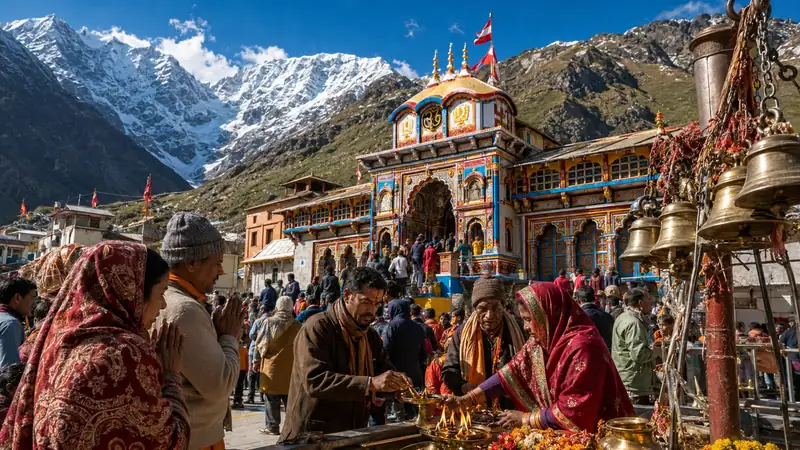
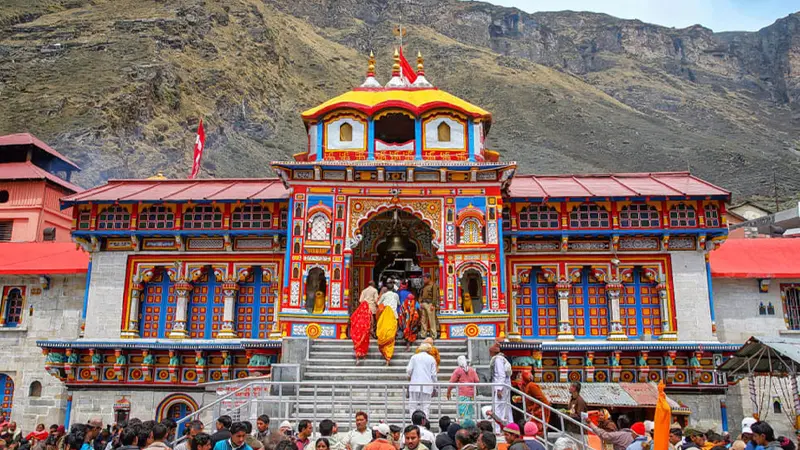
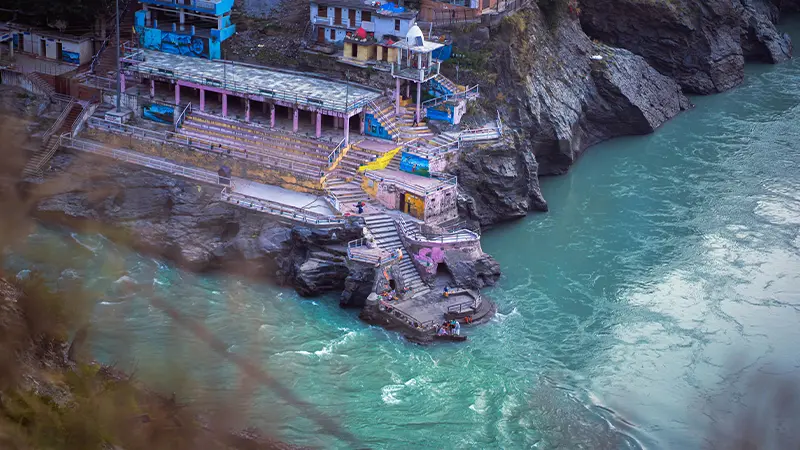
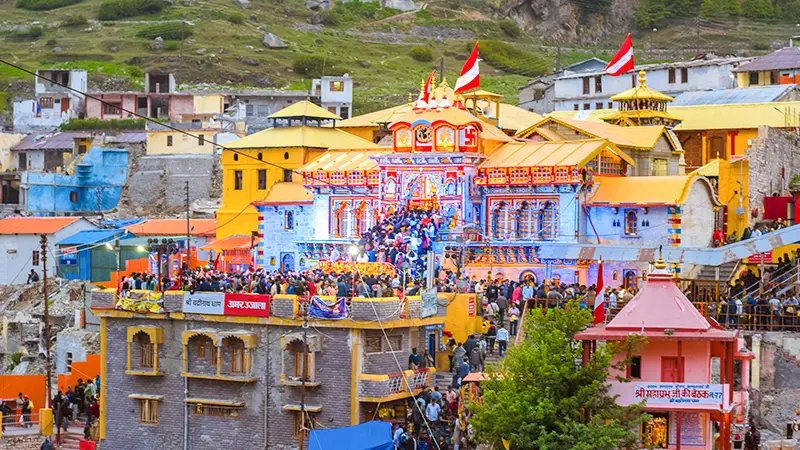
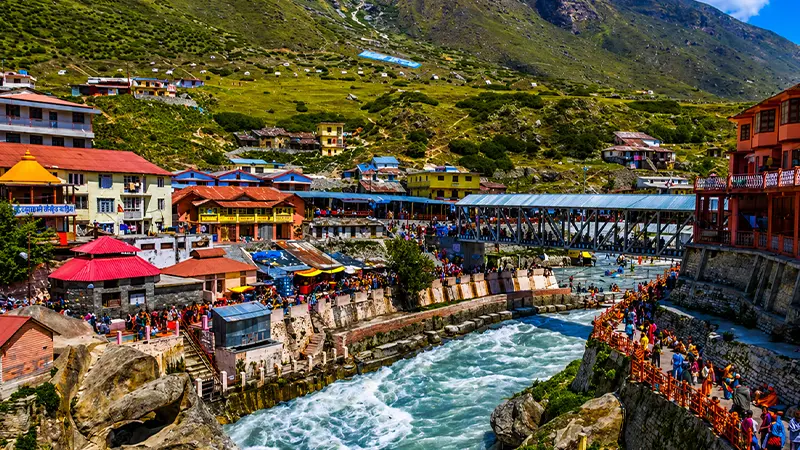
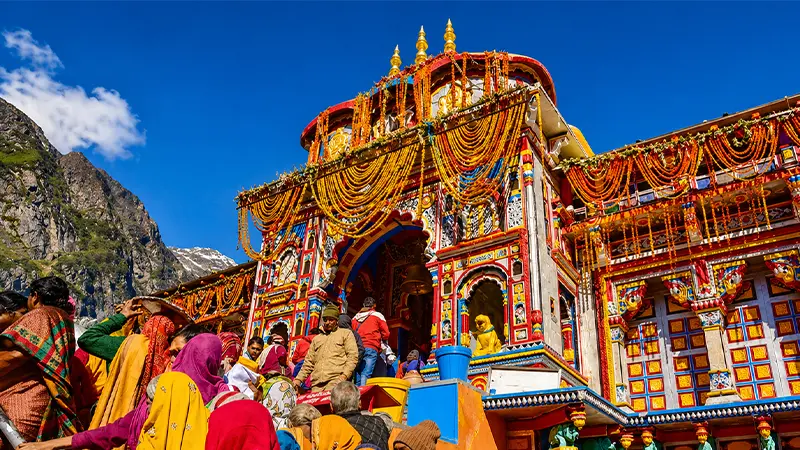
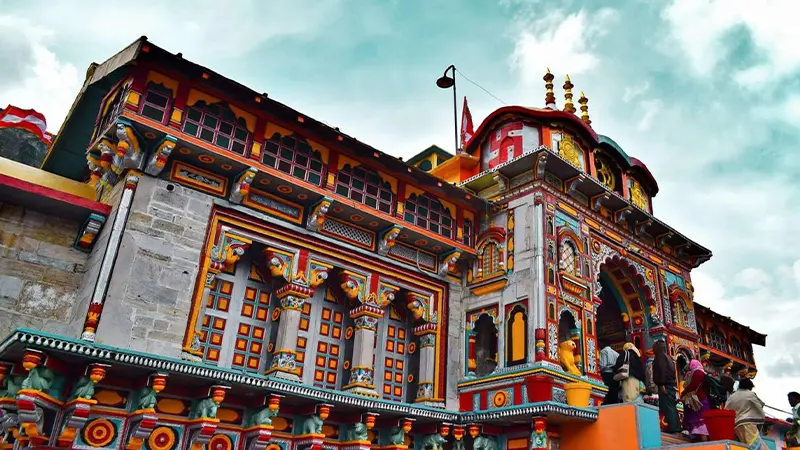
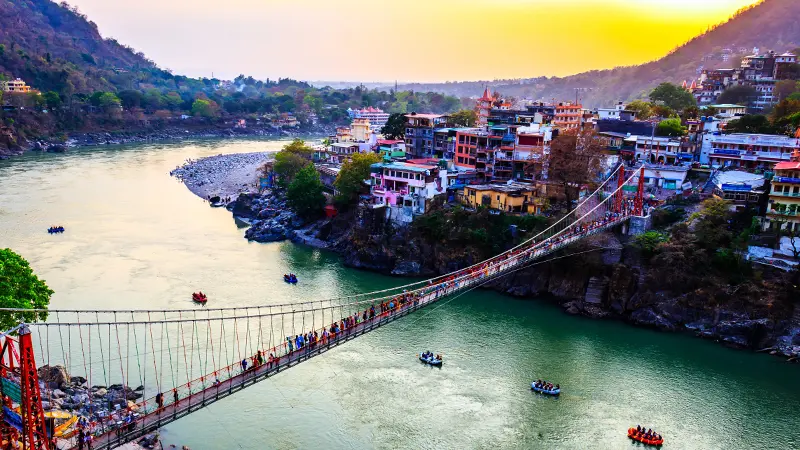
Badrinath Yatra is considered to be one of the most important pilgrimages in the country. It is one of the Char Dham sites situated in Uttarakhand. Thousands of pilgrims from different parts of India and abroad visit this holy site every year, desiring spiritual fulfillment and seeking blessings. The Alaknanda River flows near this temple, which makes it a serene spot.
In this article, we will give you tips and tricks to make your Badrinath Yatra unforgettable. Whether you are visiting Badrinath for the first time or returning to this holy site again, this guide offers everything required for a smooth and hassle-free Badrinath Yatra.
Best Time to Visit Badrinath
In Uttarakhand, the Badrinath temple closes in November and opens in late April. During these months, you’re recommended to visit the temple.
 Essential Travel Tips for Badrinath Yatra - Summer Season (April to June)
Summer Season (April to June)
Weather: Average temperatures during these months range between 10°C and 18°C.
Highlights:
- The nights are cold, but the days are delightful.
- The roads are easily accessible, and the temple remains open.
Monsoon (July to August)
Weather: Average temperatures during these months range between 8°C and 14°C. Chances of a landslide and heavy rain. Paths may be closed due to adverse weather conditions and slippery roads.
Highlights:
- You can have a less crowded darshan experience.
- Ideal for adventure travelers looking for trekking.
Winter (November to April)
Weather: The temperature reaches below subzero level in winter. You can experience snowfall during this time of the year.
Highlights:
- The main deity moves from Badrinath to Joshimath at Nar Singh Temple to their winter seat, while for the season, the Badrinath Temple remains closed.
- The region experiences heavy snowfall during winter.
Autumn (Mid-September – October)
Weather: The temperature during these months ranges between 5 and 15 degrees Celsius. By mid-September, the pilgrimage resumes.
Highlights:
- Autumn is suitable for a pilgrimage to Badrinath.
- The weather is pleasant and mild during these months.
- The skies clear up as the rain subsides.
Badrinath Food Guide
- Since Badrinath is located at a very high altitude, you may not find many restaurants at this place.
- Only some seasonal local eating stalls and joints serve tourists and pilgrims.
- North Indian and Chinese delicacies are mainly served at most eateries.
- Alcohol and non-vegetarian food are strictly prohibited in Badrinath due to its religious prominence.
Accommodation and Facilities at Badrinath
Badrinath has limited accommodation options considering its high-altitude location. From affordable guesthouses to well-equipped Dharamshalas and 3-star hotels, you will find a wide range of accommodation options in Badrinath.
For better facilities and amenities you can book your accommodation at nearby towns such as Joshimath, which is situated at a distance of around 45 kms from Badrinath.
What to Pack for Badrinath Trip
Check out this Badrinath yatra travel guide.
Essentials:
- An identity card (Voter’s ID Card, Driving License, etc.)
- Cotton pants / Track pants /Cargos. For treks, denim isn’t recommended.
- Trekking Shoes
- Up to 40-50 ltr Backpack
- Three pairs of socks
- Water Bottle (1ltr)
- Sunscreen lotion and cold cream
- Personal toilet kit and toilet paper
- Power Banks (At such a high altitude, electricity is not available)
- Lip balm
- 1-2 quick-drying and light towels
- Sun cap
- Gloves
- Windcheater
- Dental Kit
- Rain Poncho
- A few plastic bags in case
- Lightweight LED torch
Personal Essentials
- Biodegradable Soap
- Talcum powder/Deodorant
- Shampoo
- Tampons/sanitary pads (For female travellers)
- Nail clipper
- Toilet Paper
First Aid Kit
- Butterfly bandage
- Basic Medical Kit
- Medicine for Diarrhea
- Medicine for fever, headache, cold, and flu
- ORS pouches
- Pain killers
- Pain relief spray (External use)
- Any medicine prescribed by your doctor
- Bug Repellent
- Dimox for high altitude sickness
- Energy bars and drinks
Temple Darshan and Local Guidelines
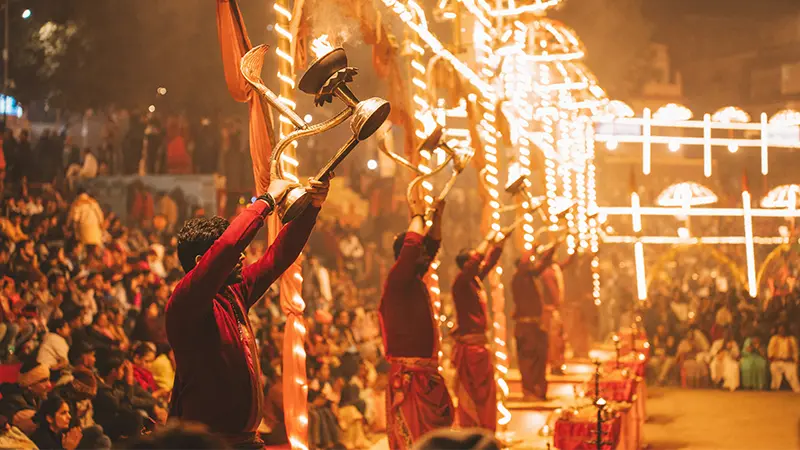
Below is the Badrinath Temple Aarti schedule and timings that will help you plan your pilgrimage to the holy site in a better way and ensure a fulfilling experience.
| Particulars | Summer Timings (May–Oct) | Winter Timings (Nov–Apr) |
|---|---|---|
| Temple Opening Time | 4:30 AM | Closed (Winter Migration to Joshimath) |
| Morning Aarti (Mahabhishek) | 4:30 AM – 6:30 AM | – |
| Darshan Timings | 6:30 AM – 12:00 PM | – |
| Bhog Aarti | 12:00 PM – 12:30 PM | – |
| Temple Reopens | 3:00 PM | – |
| Evening Darshan | 3:00 PM – 8:30 PM | – |
| Shayan Aarti (Evening Aarti) | 8:30 PM – 9:00 PM | – |
| Temple Closing Time | 9:00 PM | – |
Keypoints:
- Rajbhog Aarti: 11:30 AM.
- Mangala Aarti: 4:30 AM – 5:00 AM.
- Special aartis: Swaran, Kapoor, Chandi in the evenings.
- Sandhya Aarti: 6:30 PM – 7:00 PM.
Notes:
- During aarti, photography is strictly prohibited.
- If you want to avoid long queues at the temple, you’re advised to arrive early.
- Special pujas and ceremonies can be booked online.
- On Vijayadashami, the closing dates of the temple are finalized.
Travel Tips for Badrinath Yatra
Visiting Badrinath needs good planning as it is situated at a very high altitude, and the weather changes suddenly. Check out these Badrinath Temple travel tips for a smooth and enjoyable journey.
- Give your body some time to acclimate to the high-altitude location of Badrinath.
- People with heart-related conditions, chronic illnesses, or asthma should contact their healthcare provider before undertaking the journey.
- Keep track of the road conditions and weather forecast, especially if you’re travelling in the monsoon (July–August).
- Wear modest clothes and follow the guidelines issued by the local authorities.
- Mobile networks are weak at such high altitudes. Inform your near and dear ones in advance about your travel schedule.
- Inside the temple premises, videography and photography are strictly prohibited.
Badrinath Temple Trekking Routes
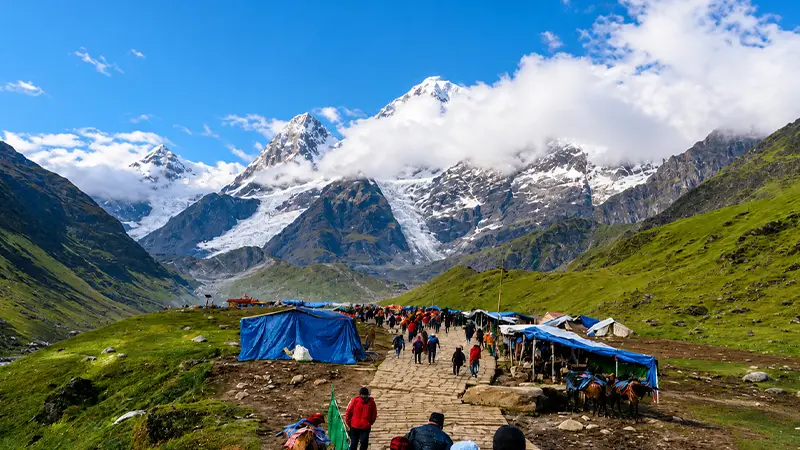
- Badrinath Temple is situated near the roadside, which makes it easily accessible. You do not need to trek to reach the temple.
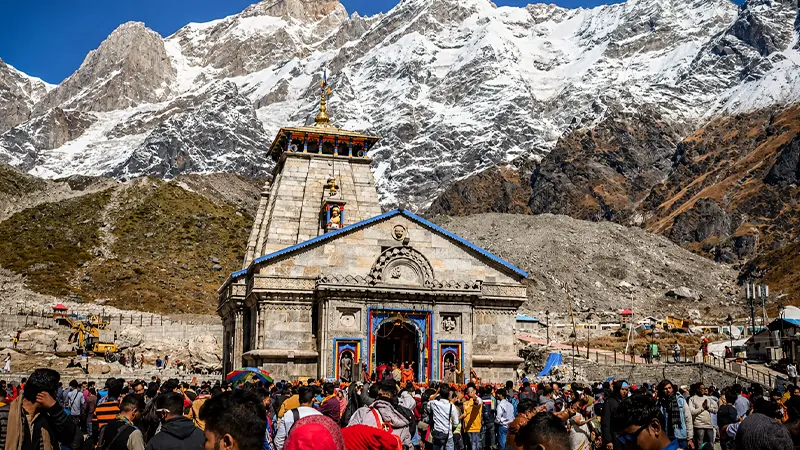
- Unlike Kedarnath and Gangotri, pilgrims can reach the temple by vehicle.
- The road is well-maintained and leads right up to the entrance of the temple, so those with mobility issues, older devotees, and children can visit the temple without any difficulty.
Badrinath Pilgrimage Tips (FAQs)
Do you need to register yourself for the Badrinath yatra?
You need to register yourself for the Badrinath yatra. Registration can be done both online and offline at the designated counters.
What steps can be taken to prevent altitude sickness in Badrinath?
Walk slowly, acclimatize yourself, stay hydrated, and do not overexert during the yatra, as these may lead to fatigue and signs of altitude sickness.
Can senior citizens visit Badrinath?
Senior citizens can visit Badrinath, as you do not need to trek to reach the temple. Helicopter services are also available for those who do not want to undertake the yatra on foot.
What are the opening and closing dates of Badrinath Temple?
Are ATMs available in Badrinath?
While ATM facilities in Badrinath are available in a limited number in the town, accessing them and withdrawing cash can be a bit difficult. Therefore, you should bring enough cash beforehand.
Compare relevant packages and request a customised travel plan from the Namaste India Trip team.





Share your experience, ask a question, or leave useful tips for other travelers.