

- Delhi Overview
- Historical Roots Shaping Delhi's Culture
- Language and Communication in Delhi
- Religious Variety and Spiritual Existence
- Delhi Festivals and Celebrations
- Food Culture of Delhi
- Clothing and Lifestyle
- Art, Music and Performing Traditions
- Architecture and Cultural Landmarks
- Social Life and Community Culture
- Modern Influence and Urban Culture
- Why Delhi's Culture Is Unique
- Conclusion
- FAQs
- Related Articles
- Related Tour Packages
- About the Author
- Was This Travel Guide Helpful?
Delhi, the capital town of India, is not only a political and administrative center but also a rich cultural quilt due to the centuries-old history. Delhi has a culture that signifies a smooth amalgamation between the ancient tradition, the Mughal, the colonial, and modern urban culture. The culture of Delhi is historic monuments and religious diversity, it is food streets and festivals, it is art, and it is modern cosmopolitan values.
Delhi, which is in the north of India, has been occupied by various dynasties including the Delhi Sultanate, the Mughals, and the British, all of which have imprinted their own social fabric in the city. Nowadays, Delhi is the city that combines tradition with modernity, and therefore it is one of the most culturally enriching cities in India.
Historical Roots Shaping Delhi's Culture
The history of the state has had a great impact on the culture of the state of Delhi. Delhi is also known as one of the oldest cities in the world, which was constructed and reconstructed several times.
The era of the Delhi Sultans brought with it the Persian art, architecture, and administrative culture.
- Delhi was enriched with the finer etiquette, literature, music, and cuisine of the Mughal period.
- Western education, legal systems, and urban planning were brought in by British colonialism.
- Delhi, after gaining independence, was a pot of melting pot since the citizens of all Indian states came to this city.
- The inclusive and adaptive culture in Delhi is based on this historical diversity.
Language and Communication in Delhi
Delhi has a significant role in language that defines its culture. Hindi is the most widespread language that is prone to incorporate Urdu and Punjabi phrases and form a distinct local dialect.
- Hindi is popular in day-to-day communication.
- English is prevalent in business, administration and education.
- Punjabi, Urdu, and Haryanvi influences are also common in the informal speech.
Due to this Polylingualism, Delhi can be considered a culturally open and adaptable city for tourists.
Religious Variety and Spiritual Existence
Delhi is a city that has various religions living in harmony that have influenced the culture of the city. The elements of the culture of Delhi are religious tolerance and diversity.
The major religions practiced in Delhi are:
- Hinduism
- Islam
- Sikhism
- Christianity
- Jainism
- Buddhism
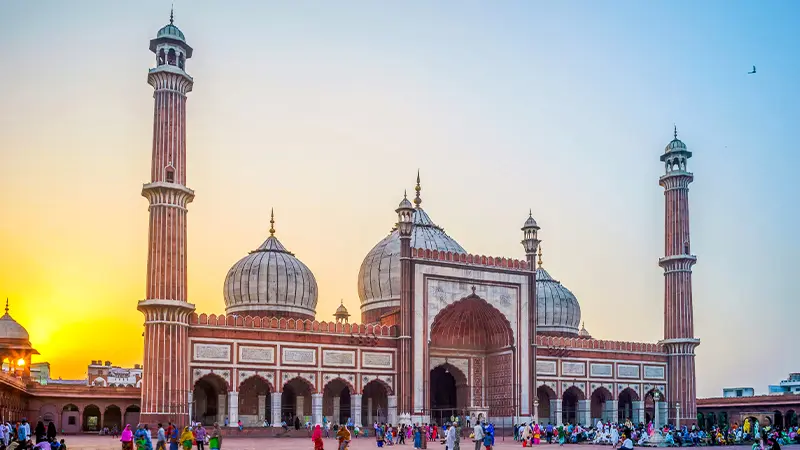
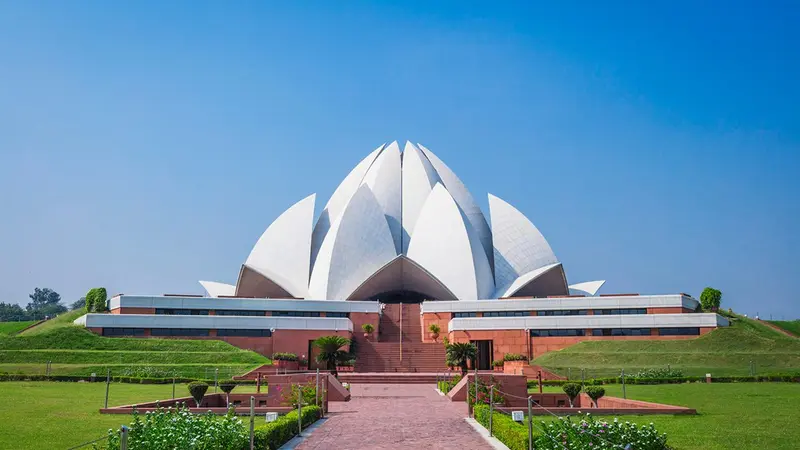
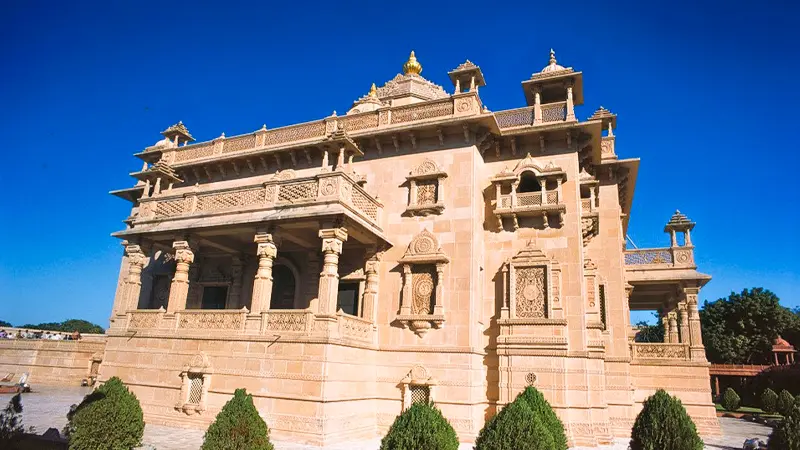
Jama Masjid, Akshardham Temple, Gurudwara Bangla Sahib, Lotus Temple, and Sacred Heart Cathedral are some of the well-known religious structures found in the city. These religious monuments do not just serve as religious sites; they are also cultural illustrations of the pluralistic society in Delhi.
Delhi Festivals and Celebrations
Delhi celebrates its festivals with much energy and reflects the multicultural nature of the city. This celebrates nearly all the major Indian festivals with a local touch.
Some of the popular festivals observed in Delhi are:
- Diwali- Festival of lights celebrated throughout the city.
- Holi- Festival of colours and community events.
- Eid Al-Fitr and Eid al-Adha- Feasted and prayed.
- Gurpurab- Sikh festival with Langars and processions.
- Christmas- the feast in the churches and in the market.
- Durga Puja and Chhath Puja- This has an eastern Indian influence.
Such festivals unite persons in disparate communities and reinforce societal ties.
Food Culture of Delhi
Delhi is ranked among the most food destinations in India. The Delhi food culture is attached to its history and the multitude of people.
Street Food Culture
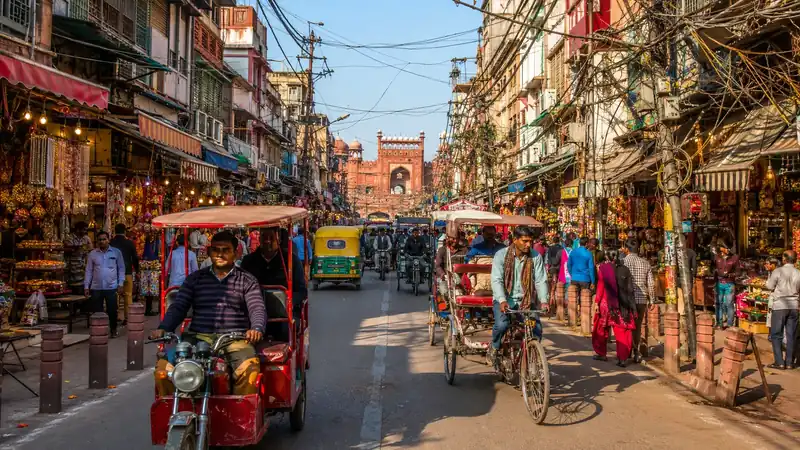
The street food in the city of Delhi is well-known around the world. The Chandni Chowk, Karol Bagh, Lajpat Nagar, and Connaught Place, are some of the areas that have iconic foods like:
- Chole Bhature
- Parathas
- Golgappa (Pani Puri)
- Aloo Tikki
- Kebabs and Rolls
Mughlai and North Indian Cuisine
The food culture of Delhi comprises a significant share of Mughlai cuisine, which is full of flavours and smelling spices. Butter Chicken, Biryani, Nihari and Korma are the Old Delhi staples.
Modern Food Trends
Delhi is also an international food destination where one can have Italian, Chinese, Korean, and Middle Eastern foods, so it is a cosmopolitan city of cuisines.
Clothing and Lifestyle
Delhi has a clothing culture that is indicative of culture and contemporary fashion.
- Festivals and ceremonies are accompanied by traditional clothing including Sarees, Salwar Kameez and Kurta-Pajama.
- Western attire is commonly applied, particularly among the young people and business persons.
- Some markets such as Sarojini Nagar, Lajpat Nagar, Chandni Chowk, and South Extension affect fashion trends throughout India.
The lifestyle in Delhi is fast-paced urban and aspirational with a strong linkage to the cultural values.
Art, Music and Performing Traditions
Delhi is a city of music, culture and art.
- Classical music and dance such as Kathak and Hindustani music flourishes in institutions of culture.
- Urdu poetry and Mushairas are still a significant cultural tradition.
- Contemporary art galleries, theatres and cultural centres encourage modern creativity.
Delhi has institutions like India Habitat Centre, National School of Drama and Lalit Kala Akademi that are of great importance in the preservation and promotion of the artistic heritage of Delhi.
Architecture and Cultural Landmarks
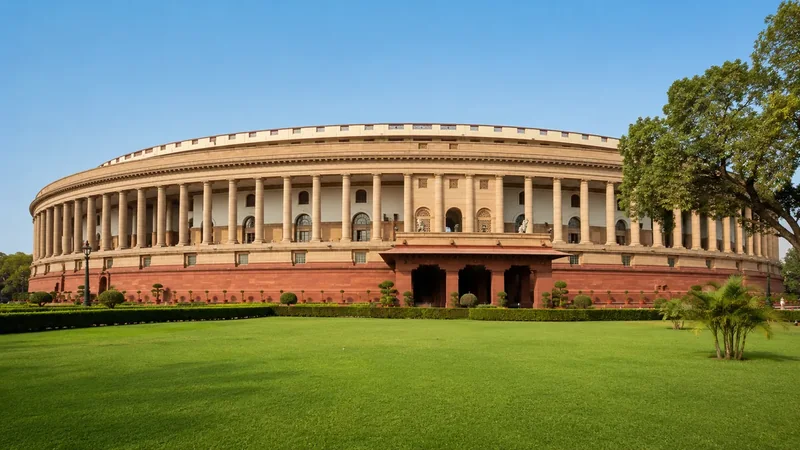
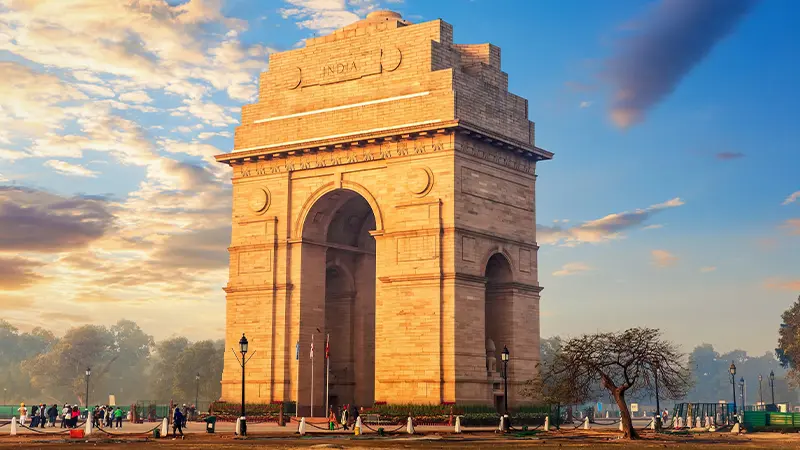
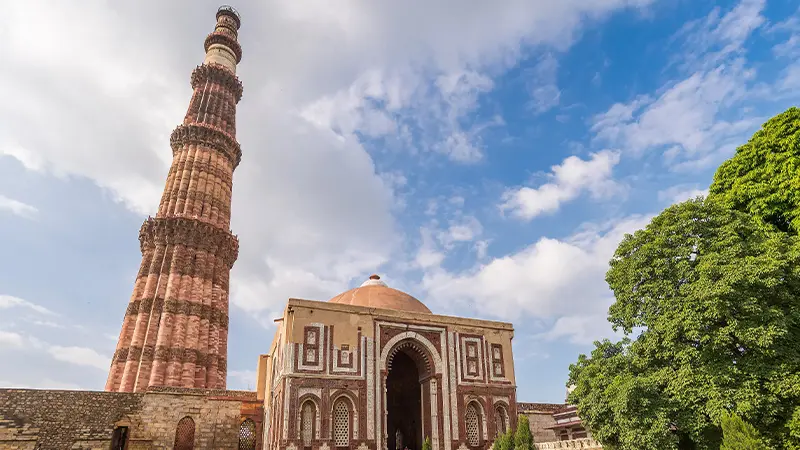
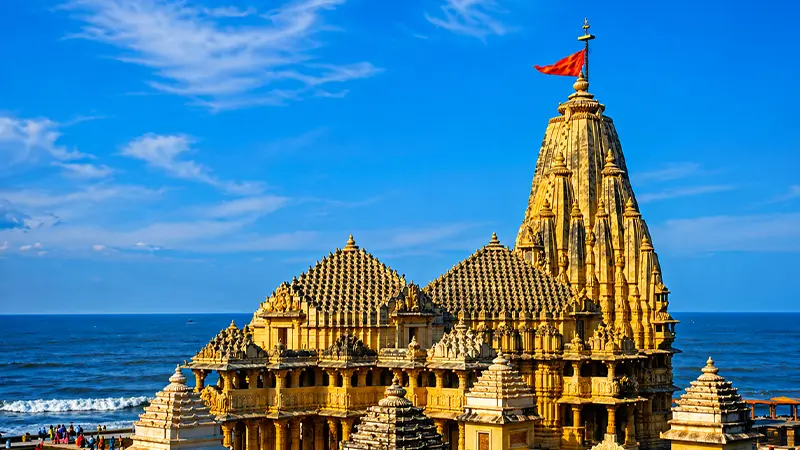
The architecture of Delhi narrates the cultural development of this city. The skyline of the city is full of its various pasts with ruins of ancient buildings and modern buildings.
There are landmarks of the culture such as:
These monuments are also a tourist attraction activity, but they also represent the cultural identity of Delhi.
Social Life and Community Culture
The residents of Delhi are great hospitalists, strong, and flexible. Family values, social gatherings and community events are important in day-to-day living.
- The existence of joint families and nuclear families is coexistent.
- Weddings are vibrant and full of cultural aspects.
- Social hubs are in the local markets and the public spaces.
The city of Delhi has a high level of community, although it is a metropolitan city.
Modern Influence and Urban Culture
Due to the emerging technology, education, and global exposure, the culture of Delhi is still developing. The modern outlook of the city is represented in shopping malls, cafes, coworking places, and even nightlife.
Meanwhile, there are still traditions of respect for the older generation, religious traditions, and family values that are deeply rooted.
Why Delhi's Culture Is Unique
The most interesting thing about the culture of Delhi is that it is able to embrace change without forgetting its roots. The city honours its heritage and yet welcomes the future, thus making it a cultural capital that is the soul of India.
FAQs
What does the culture of Delhi entail?
The culture of Delhi has been associated with a rich historical heritage, religious and cultural diversity, colourful festivals, Mughlai food, and a mixture of traditional and contemporary ways of life.
What impact has history on the culture of Delhi?
The culture of Delhi is influenced by the sultans of Delhi, the Mughals, the British colonialists and the migration into the city after independence, and has led to a culture that is very diverse and inclusive.
What are the languages used in Delhi?
The major languages are Hindi and English with Punjabi, Urdu, and Haryanvi which are usually spoken in various regions.
What are the principal fetes in Delhi?
Dependent on the multicultural society, major festivals such as Diwali, Holi, Eid, Gurpurab, Christmas, Durga Puja, and Chhath Puja are celebrated in Delhi.
What makes Delhi culturally diverse?
Conclusion
Delhi has a strong culture that is representative of the Indian unity in diversity. Delhi is a culturally dynamic, inclusive, and endlessly enriching experience based on history and open to change. Delhi is still a living cultural heritage of a country, be it its festivals, food, architecture, or lifestyle.
Compare relevant packages and request a customised travel plan from the Namaste India Trip team.






Share your experience, ask a question, or leave useful tips for other travelers.