

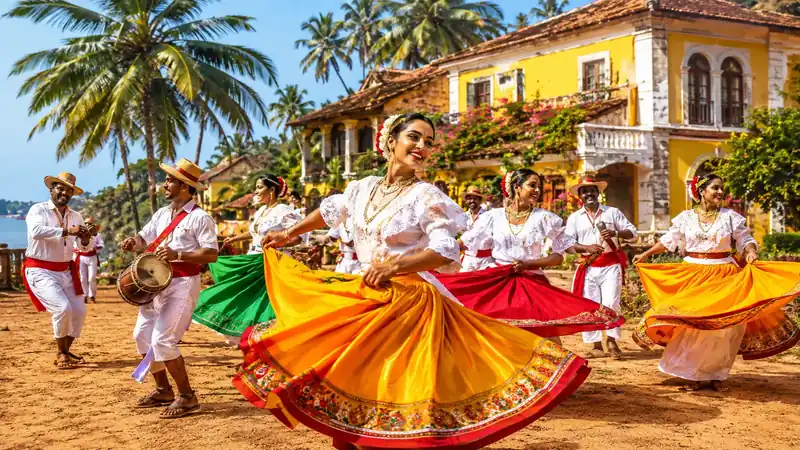
Goa is known for its vibrancy, people, and an age-old culture that is an infusion of Portuguese and Hindu influences. Even before the Portuguese had set foot on Goan land, the locals here were highly religious and very respectful of their faith and belief system. They have always celebrated each of their big and small festivals with great harmony, a sense of oneness, and love for all. It goes without saying that if you wish to experience the deepest cultural and traditional aspect of Goa or anywhere you are traveling in general then it would be best to plan your holiday during the festival season.
Check out these festivals in Goa and experience the western coast in complete delight and awe like never before.
Tourism-Focused Festivals in Goa
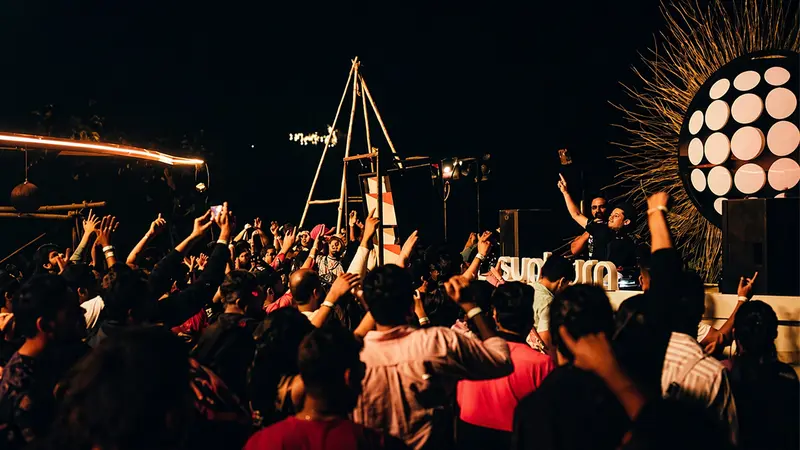
1. Sunburn Festival
Connect on the official website, https://sunburn.in, where you can find event details, tickets, lineups, and updates.
Where: Sunburn is usually held at Vagator in North Goa, after originally starting at Candolim, while the 2025 edition moved to Mumbai’s Infinity Bay in Sewri.
When: Expected late December 2026
Key Attractions: Top international EDM artists, huge shows, electric party vibe
Famous For: Asia’s biggest Electronic Dance Music (EDM) festival
How to Reach
- From Dabolim Airport (GOI, ~44 km, 45-60 min): taxi ₹1,000-1,700; drive via NH748; bus via Panaji-Mapusa (~2-3 hrs, ₹100-200).
- From Thivim/Madgaon Railway (~25-40 km): Taxi/auto ₹800-1,500; local buses. Rent scooters/bikes on-site; festival shuttles are often available—check the official site.
Shailendra Singh from Percept made Sunburn a massive success. It started in 2007 on Candolim Beach and has grown huge each year. Sunburn brings the world’s top EDM stars like Axwell, Above & Beyond, and Gareth Emery for epic performances.
2026 Details: The lineup featured David Guetta (headliner), Axwell, Sara Landry (India debut), Above & Beyond, Richie Hawtin, and more.
Tickets: Early bird/general ₹2,000-₹7,000;
- single-day ~₹2,500-₹4,000;
- 3-day: ~₹5,000+ (VVIP up to ₹50,000)
Rules: No drugs/weapons; age 18+; timed entry, no re-entry. Rave responsibly—have plenty of hydration stations and medical aid on-site.
Accommodation Tips: Book beach shacks/resorts in Vagator/Anjuna early (₹2,000-10,000/night).
2. Goa Carnival
Connect on the official website, https://www.goa.gov.in/tourism, where you can find event details, schedules, parade routes,
Where: Multiple cities across Goa (Porvorim, Panaji, Margao, Vasco da Gama, Mapusa, Morjim)
When: February 13-17 (5 days)
Key Attractions: Grand parades, colourful floats, samba dances, live music, street food, and cultural performances
Famous For: Joyful pre-Lent celebrations with satirical themes, community participation, and Goan-Portuguese heritage vibes
How to Reach:
From Dabolim Airport (GOI): Panaji (~30 km, 45-60 min): taxi around ₹800–₹1,200; bus via NH748 (~1.5 hrs, ₹50-150).
- Margao (~25 km): Taxi ₹700-1,000; direct buses (~45 min, ₹40-100).
- Vasco (~5 km): Taxi/auto ₹200-400; frequent buses (~20 min).
- Thivim Railway (for Mapusa/Morjim, ~40 km from the airport): Taxi ₹1,200-1,800; train to Thivim then local taxi/auto ₹300-600 (~20-30 min). Festival shuttles/parking are often available—check the official site.
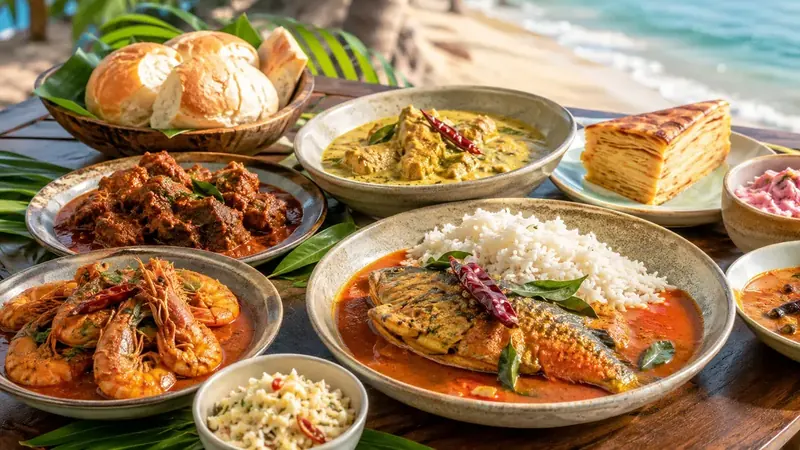
This carnival unleashes festive chaos with daily city-hopping parades, blending tradition, satire, and non-stop energy. Highlights include King Momo’s decree, balloon floats, horse carriages, and dances amid food stalls serving Goan specialities like bebinca and sorpotel. Various cities host unique vibes over five days, from curtain-raisers to grand finales.
2026 Details: Curtain raiser in Porvorim (Feb 13); main parade in Panaji (Feb 14); Margao (Feb 15); Vasco (Feb 16); Mapusa & Morjim (Feb 17). Lineups featured local bands, themed floats, and family events (specifics vary yearly).
Tickets: Mostly free public viewing;
VIP/prime seating is ~₹500-2,000 (book via local vendors or tourism sites).
Rules: No drugs/weapons; family-friendly, eco-conscious (minimal plastics); hydration zones, medical aid, and security on-site.
Accommodation Tips Book hotels/resorts near parade routes early (Panaji/Margao ₹2,000-10,000/night; beach shacks in Morjim ₹1,500-5,000). Opt for central spots for easy access amid the crowds.
3. Shigmotsav or Gulalotsav
Connect on the official website, https://goatourism.gov.in, where you can find event details, schedules, parade routes,
Where: 19 centres across Goa (Ponda, Calangute, Panaji, Mapusa, Curchorem, Margao, Vasco, etc.)
When: March 5-18 (14 days)
Key Attractions: Float parades, Ghode Mhodni (mock cavalry), tribal dances, drumming, sacred rituals like Homkund and Shidiyotsav
Famous For: Raw Goan folk heritage, spring renewal, warrior reenactments, and explosive community energy blending Holi colours with tribal customs
How to Reach
From Dabolim Airport (GOI):
- Panaji (~30 km, 45-60 min): taxi ₹800-1,200; bus via NH748 (~1.5 hrs, ₹50-150).
- Margao (~25 km): taxi ₹700-1,000; direct buses (~45 min, ₹40-100).
- Mapusa/Calangute (~45 km): taxi ₹1,000-1,500; bus via Panaji (~2 hrs, ₹100-200).
- From Thivim Railway (North Goa spots): Taxi/auto: ₹300-800; local buses or scooter rental. Festival shuttles are often available—check the official site.
This festival pulses with Goan soul through daily parades, intense rituals, and night-long tribal melas in forested villages. Experience Ghode Mhodni’s sword dances, Chorotsav’s dramatic burials, and Shidiyotsav’s hook-swing vows amid rhythmic drums and embers. Colours, feasts, and chants create immersive chaos over two weeks.
2026 Details: Starts March 5 (Ponda); Panaji/Mapusa (March 7-8); Curchorem (March 9); parades rotate daily with folk bands, themed floats, and rituals (specifics vary by village).
Tickets: Free public access; some VIP viewing is ~₹200-1,000 via GTDC.
Rules: No drugs/weapons; family-friendly, eco-focused (no excess plastics); hydration, medical aid, security on-site.
Accommodation Tips Book homestays/resorts near parade towns early (Panaji/Margao ₹2,000-8,000/night; North Goa beaches ₹1,500-6,000). Central village guesthouses offer authentic vibes
4. Sao Joao Festival (June)
Connect on the official website, https://goa-tourism.gov.in, where you can find event details, village schedules,
Where: North Goa villages like Siolim, Saligao, Calangute, Anjuna, Baga (Bardez region prime spot)
When: June 24 (1 day)
Key Attractions: Kopel-making (floral crowns), well/pond jumps, Sangodd boat floats, mando singing, feni toasts
Famous For: Youthful water rituals, monsoon revelry, and community feasts welcoming rains with fruits and hymns
How to Reach
- From Dabolim Airport (GOI, ~40-50 km to North Goa): taxi ₹1,000-1,800 (60-90 min via NH748 amid rains); bus via Panaji-Mapusa (~2-2.5 hrs, ₹100-250).
- From Thivim Railway (~15-25 km to Siolim/Bardez): taxi/auto ₹400-900; local buses or scooter rental (rainproof). Festival shuttles are often available—check the official site.
This festival unleashes monsoon madness as youth don kopels, leap into wells for gifts, and parade decorated Sangodd boats with drums and dances. Village masses lead to riverside feasts of seasonal fruits, feni, and mando songs amid blooming greenery. Traditions mix prayer, play, and prayers for bountiful rains over one joyful day.
2026 Details: Main events in Siolim (riverside parades); Saligao (Vangodd feasts); beach belt parties in Baga/Anjuna with modern twists (specific village lineups vary yearly).
Tickets: Free village access; some resort parties cost ₹500-2,000.
Rules: No drugs/weapons; family-friendly, rain-ready (eco-focus, no litter); hydration, medical aid on-site.
Accommodation Tips Book monsoon-proof resorts/homestays in Bardez early (Siolim/Baga ₹2,000-7,000/night). Beach huts offer immersive vibes near action. Men wear vibrant kopels during São João, symbolising the festival’s floral tradition.
5. Bonderam Festival
Connect on the official website, https://bonderam.com, where you can find event details, schedules, parade routes, and updates.
Where: Divar Island (Malar/Piedade areas), near Old Goa
When: Fourth Saturday of August (1 day, e.g., August 23, 2026)
Key Attractions: Flag parades, fancy dress contests, themed floats, mock fights with fotashes (berry guns), live bands, DJ nights
Famous For: Hyper-local satire, community unity through chaotic creativity, and transforming sleepy Divar into a dance-party island
How to Reach
- From Dabolim Airport (GOI, ~25 km, 45-60 min): taxi ₹700-1,200 to Old Goa ferry; free 5-min ferry from Old Goa/Ribandar (runs till late).
- From Thivim Railway (~35 km): Taxi ₹1,000-1,500 to ferry point (~1 hr); buses via Panaji. Festival shuttles/ferry specials are often available—check the official site.
This festival unleashes island frenzy with wards competing in floats depicting social themes, kids in costumes hurling flags, and mock bamboo battles honouring its feuding origins. Brass bands blast Konkani tunes as streets turn into food-fuelled dance floors with feni, bebinca, and sorpotel stalls. Parades kick off at 3 PM, morphing into night-long parties blending tradition and revelry.
2026 Details: Held August 23 in Malar; featured ward floats (Romantic, Divar Centre, etc.), the Raagas2Riches live band, and DJ Ryan Nogar (lineups vary yearly).
Tickets: Free public access; VIP spots are ~₹300-1,000 via organisers.
Rules: No drugs/weapons; family-friendly; no litter; hydration, medical aid, and security on-site.
Accommodation Tips: Book homestays/resorts in Divar or Old Goa early (₹1,500-6,000/night). Ferry-adjacent guesthouses ensure easy access amid the crowds.
Cultural Festivals of Goa
1. Ganesh Chaturthi
Ganesh Chaturthi is not only a Goan festival but is one of the most awaited festivals by the Hindus all over India. Also known as Chovoth locally in Goa, the festivities for Chaturthi in Goa traditionally goes on for several days with a minimum of just about 3 days. As a part of the ritual, the Hindus worship Gouri and Mahadev along with their son Ganesh. On the day of Chovoth, a clay idol of Lord Ganesha is welcomed into the house followed by a pooja that goes on till afternoon. On the 2nd day, the idol is worshipped in the evening before a procession is taken out to be immersed in a body of water like a river, sea, lake, or well.
2. Holi
The iconic festival of colors is a great way of grasping the importance of culture and traditions in India. This public holiday is marked with great food, dance, vibrant colors, and delicious sweets. Every state has its own set of rituals and traditions that makes this festival even more special. According to Goan traditions, this festival is also celebrated with drum beats, mythological enactments, various troop performances, colorful parades, and cultural dramas. Despite the long drawn Portuguese rules and influences, Holi celebrations are a spectacle in Goa and should be experienced at least once in a lifetime. The beaches in Goa turn into large open-air party spots with large thumping speakers, DJ performances, drinks, food, and of course colors!
3. Diwali
Diwali, just like Holi, is one of the most awaited festivals in India. Diwali marks the transition of seasons from summer monsoon to winter. In Goa, large effigies of Narakasur or the demon are burnt as a symbol for the victory of good over evil. The burning of the effigies takes place during dawn and many people gather around these effigies and celebrate and chant when these effigies are burnt. Diwali is also called Narak Chaturdashi and on this day, early in the morning, an idol depicting the demon is made using paper and filled with dry grass, crackers, wastepaper, and more. The people gathered around to yell and shout insults and taunts once these symbolic demons are burnt and cremated.
4. Easter
Owing to its past of Portuguese colonization and the locals accepting their religion as their own has made Easter is the 2nd most widely celebrated festival in Goa. Currently, over 25% of the locals are Christians, Easter is celebrated with great pomp and show throughout Goa. The celebration for Easter kick starts a day before Good Friday where a massive feast takes place as an ode to Lord Jesus’s last supper. The church of Our Lady of the Immaculate Conception is the center stage for grand Easter celebrations and is attended by Christians from all over Goa as well as travelers looking to get a glimpse into the life and times of the local Goans.
5. Sao Joao
San Janv or São João is an annual catholic festival that is celebrated in a very quirky and unique manner in Goa. The catholic men of Goa swim and leap into wells, streams, and ponds. The festival takes place religiously on June 24th of every year. The feast of Sao Jao is a celebration of the birthday of St. John the Baptist. Although this festival is celebrated by catholic people everywhere, Goan Sao Jao stands out due to their tradition of leaping into water bodies. People also say a small prayer for good health before jumping in. Large and small groups of people go around their localities, singing and playing beats from traditional musical instruments like Kansallem, Mhadalem, and Ghumot.
Compare relevant packages and request a customised travel plan from the Namaste India Trip team.







Share your experience, ask a question, or leave useful tips for other travelers.